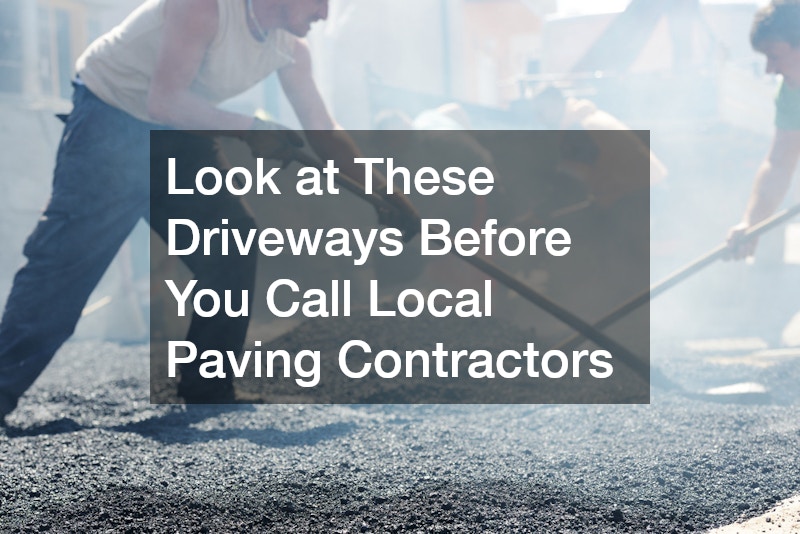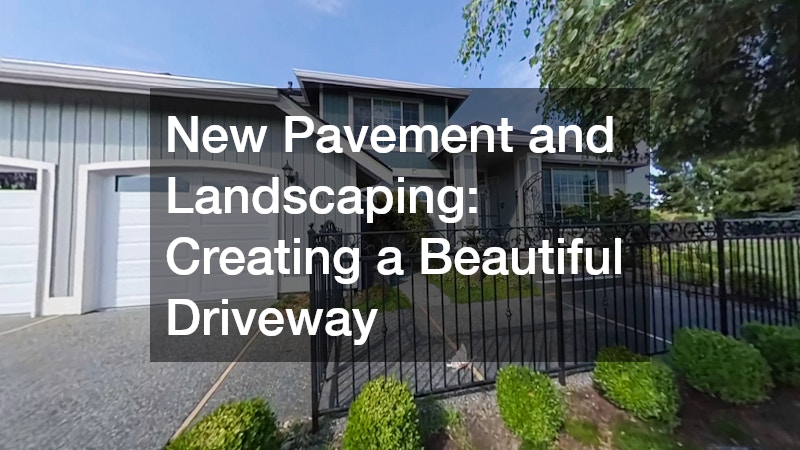
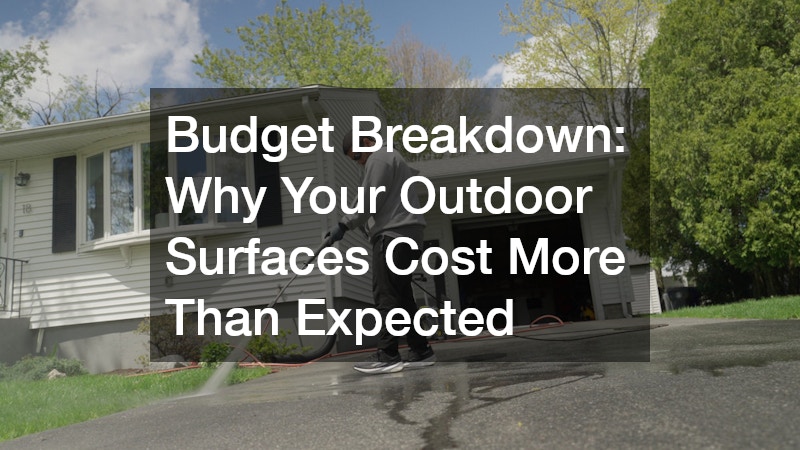
You got three quotes for your driveway or patio project, and the numbers were all over the map, none of them matching the ballpark figure you had in your head. Outdoor surface pricing feels confusing because so much of the cost is hidden below the surface, literally, in prep work, materials, and site conditions you never see in a finished photo. Before you assume you are being overcharged, it helps to understand what actually drives the price of asphalt, concrete, stucco, and masonry work. This breakdown walks through the real cost factors so you can budget accurately and spot a fair quote when you see one.
Site Preparation and Excavation Costs
Most homeowners budget for the visible material, the asphalt or concrete, but forget that nothing can be poured or paved until the ground underneath is ready. Excavation, grading, and soil compaction often eat up a bigger share of the budget than people expect, especially on older properties where the existing base has degraded or shifted over time. Poor drainage, tree roots, or unstable soil can add hours of extra labor before a single truck of material even arrives.
This is also where many quotes start to diverge. A paving company that properly tests and prepares the base is protecting your investment, even if their bid looks higher on paper than one that skips this step.
- Removal of old asphalt, concrete, or landscaping debris
- Grading to ensure proper water runoff away from your home
- Soil compaction testing on sites with clay or sandy soil
- Addition of a gravel or aggregate base layer for stability
Material Choice and Long Term Durability
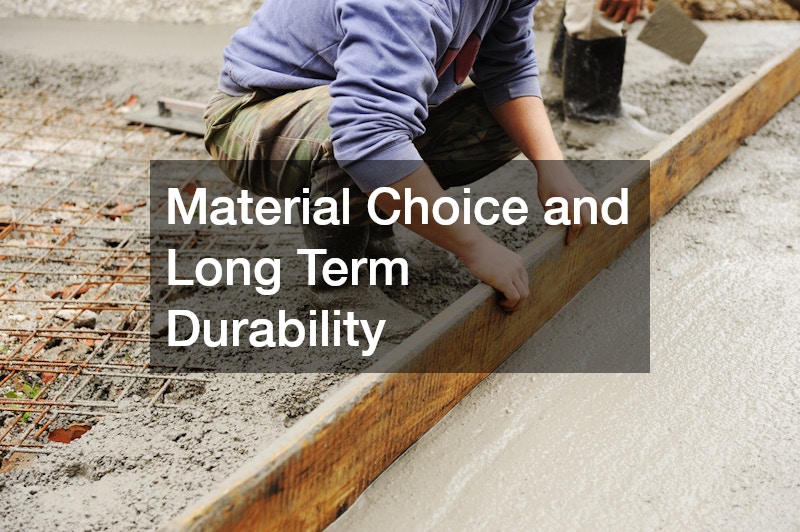
The material you choose has a bigger impact on lifetime cost than most people realize. Asphalt typically runs $3 to $6 per square foot installed and cures within a few days, which is why it remains popular for driveways in colder climates where its flexibility helps it resist freeze-thaw cracking. The tradeoff is maintenance: asphalt needs sealcoating every 2 to 3 years and usually needs full replacement after 15 to 20 years. Concrete costs more upfront, generally $6 to $10 per square foot, but holds up longer with less frequent resurfacing. A well-installed concrete surface can last 25 to 30 years with only occasional crack sealing and periodic resealing every 4 to 5 years. Over a 20 to 30 year horizon, that lower maintenance burden often makes concrete the better financial choice despite the higher initial bill. Pavers sit at the top of the price range, often $10 to $20 per square foot, but they offer a unique advantage: individual units can be replaced without redoing the entire surface. This makes long-term repair costs lower and more predictable, even though the upfront investment is steep. Climate, soil conditions, and how the surface will be used all factor into which material actually delivers the best value. A heavy-traffic commercial driveway will wear differently than a residential path, so matching the material to its real-world demands matters as much as comparing price tags.
When you’re comparing bids, ask what each material actually costs to maintain over time, not just to install. A slightly higher quote from a concrete driveway contractor might actually save you money compared to repeated asphalt patching every few winters, especially if the asphalt contractor you’re considering can’t speak to how their base preparation will hold up long term. Run the numbers over a realistic lifespan rather than just the upfront invoice. Concrete typically lasts 25 to 30 years with occasional sealing, while asphalt often needs resurfacing or a fresh sealcoat every three to five years and full replacement around the 15 to 20 year mark. Factor in those recurring costs, and the material with the higher sticker price can end up being the cheaper option over a couple of decades. Base preparation matters just as much as the surface material itself. A contractor who skips proper grading, drainage planning, or a sufficient gravel base is setting you up for cracking, pooling water, and heaving within a few years, regardless of whether you chose asphalt or concrete. Ask any contractor for specifics on base depth, compaction methods, and drainage slope before you sign anything. Climate should also factor into your decision. Asphalt tends to soften in extreme heat and can develop more freeze-thaw cracking in harsh winters, while concrete can be prone to surface scaling if de-icing salts are used improperly. A good contractor will flag these tradeoffs upfront instead of letting you discover them after a season or two.
- Asphalt: lowest upfront cost per square foot, but lifespan of only 15 to 20 years and sealing every 2 to 3 years adds up over time
- Standard concrete: higher install cost, but 25 to 30 year lifespan with proper care and minimal upkeep beyond occasional crack repair
- Reinforced or thicker concrete: added upfront cost but better resistance to heavy vehicle loads and freeze-thaw cracking
- Decorative or stamped finishes: added labor cost for pattern work and color sealant, but improved curb appeal and resale value
- Gravel or paver options: cost varies widely by stone type, from budget crushed gravel to premium natural pavers
- Paver patterns and interlocking styles: intricate designs cost more in labor but allow easier spot repairs than poured surfaces
- Climate factors: colder regions may require deeper base prep or freeze-resistant materials, raising install cost regardless of surface type
Decorative Finishes and Custom Design Work
If you have priced out a basic slab versus a decorative surface, you have probably noticed a significant jump in cost, and that jump is almost entirely about labor and skill. Stamped concrete requires a crew trained in timing, coloring, and pattern work, since the concrete has to be stamped at exactly the right stage of curing to get a clean, even texture. Get the timing wrong and the pattern looks shallow or uneven, which is why experienced crews charge a premium for this service.
Custom finishes also tend to involve more prep and cleanup than standard pours, since color hardeners, release agents, and sealers all add steps to the process. If you want a surface that mimics natural stone or brick without the material cost of the real thing, this upgrade is usually worth the extra line item on your quote.
- Color and pattern selection adds design consultation time
- Sealing is required to protect stamped texture and color
- Custom borders or multiple colors increase labor hours
- Weather conditions can affect the final stamped result
Stucco Wall and Exterior Surface Repairs
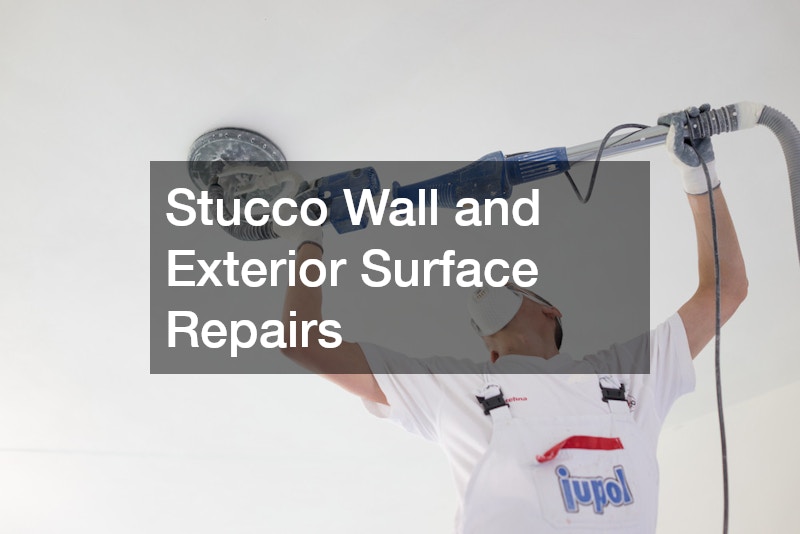
Stucco is durable, but it is not immune to cracking, staining, or moisture damage, especially in homes near sprinklers, gutters that overflow, or areas with poor flashing around windows. When homeowners get quotes for stucco repair, they are often surprised that a small visible crack requires opening up a larger section of wall to properly address the moisture or structural issue underneath. Patching over the surface without fixing the underlying cause almost always leads to the same crack reappearing within a year or two.
Cost also varies depending on whether the repair needs to match existing texture and color, which can require a skilled hand to blend seamlessly. A rushed patch job might save money now but often costs more later when it needs to be redone.
- Hairline cracks: often cosmetic, lower cost to repair
- Spider cracking or bulging: may indicate moisture trapped behind the surface
- Color matching: adds cost but avoids an obvious patchwork look
- Texture matching: requires experienced application to blend with original finish
Driveway and Walkway Installation Timelines
Homeowners are often surprised that a driveway project can stretch across several days or even weeks once curing time is factored in. Concrete needs time to cure properly before it can handle vehicle weight, and rushing this stage is one of the most common causes of premature cracking. A clear timeline discussed upfront, including how many days you will need to keep vehicles off the new surface, can save you from unexpected headaches later on.
Weather delays are another factor that catches people off guard, since pouring in extreme heat, cold, or rain can compromise the finished product. Building a few flexible days into your schedule prevents frustration and helps you plan around the project realistically.
- Excavation and base prep: typically 1 to 2 days
- Forming and pouring: 1 day for most residential driveways
- Initial curing before foot traffic: about 24 to 48 hours
- Full cure before vehicle weight: commonly 7 days or more
Driveway Resurfacing and Seasonal Pricing Shifts
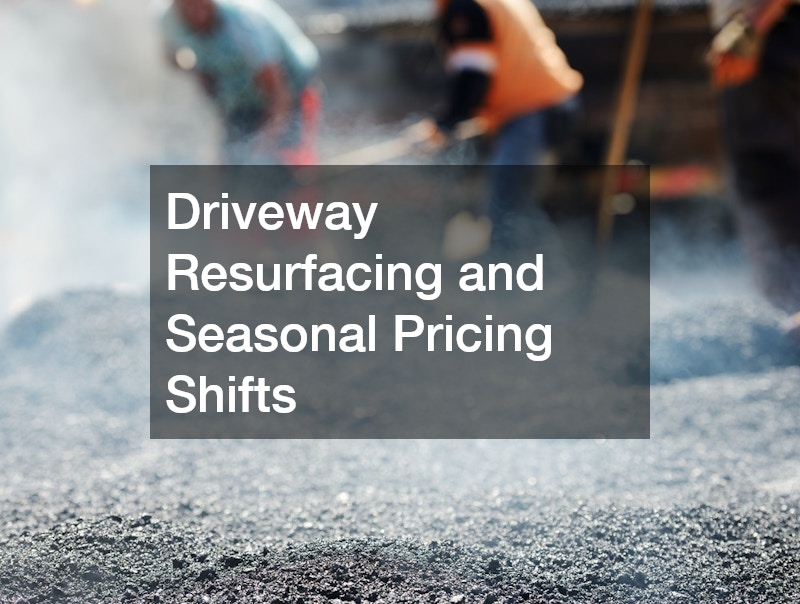
Asphalt pricing fluctuates more than people expect because it is directly tied to oil prices, since asphalt is a petroleum-based product. This means quotes from an asphalt business can shift from one season to the next based on market conditions entirely outside your contractor’s control. Even a modest jump in crude oil prices can translate into a per-ton increase for asphalt mix, and that cost gets passed straight through to homeowners. Timing your project matters just as much as market pricing. Booking during peak summer months, when demand is highest, can push prices up compared to scheduling in the shoulder seasons of spring or early fall. Contractors are often booked solid from June through August, which means less flexibility to negotiate and longer wait times for scheduling. Spring and early fall tend to offer better value, since paving crews have lighter workloads and more incentive to offer competitive quotes. Temperature also plays a role in the equation: asphalt needs to be laid within a specific temperature range to cure properly, so extremely hot or cold conditions can affect both pricing and the quality of the finished surface. Getting a few quotes early in the season, before demand peaks, can help you lock in a better rate before the busy summer rush drives costs upward.
Asphalt paving also requires specific temperature conditions to install correctly — most contractors need ambient temperatures above 50°F, with the asphalt itself compacted while still hot, for the mix to bond and cure properly. This is why most companies pause new installations during the coldest winter months, typically from late November through early March in colder climates. That seasonal pause creates a predictable rush once temperatures warm up. Spring and early summer become peak booking windows, and contractors often raise prices or extend lead times to keep pace with demand. Some homeowners find themselves waiting six to eight weeks just to get a crew scheduled during this stretch. Late summer and early fall, by contrast, tend to be quieter for many paving companies, which can mean better pricing and more flexible scheduling. Booking a driveway resurfacing project in September or October, rather than May, can sometimes save you several hundred dollars simply because you’re not competing with everyone else’s spring to-do list. Planning your project timeline around these seasonal factors can help you avoid paying a premium simply because you called during the busiest time of year.
- Asphalt costs often rise and fall with crude oil pricing, since liquid asphalt cement is a petroleum byproduct — a 10% jump in oil prices can translate to noticeable increases in per-ton material costs
- Late spring through early fall is peak demand season, when contractors are booked solid and pricing sits at its highest
- Cold weather installation can compromise asphalt bonding, since temperatures below 50°F prevent proper compaction and curing
- Concrete resurfacing faces similar seasonal limits, as it shouldn’t be poured when there’s risk of frost before it fully cures
- Booking early in the season (late winter or early spring) can help secure better scheduling and pricing before contractor calendars fill up
- Off-season quotes, when available, sometimes come in lower simply because crews have fewer active jobs competing for their time
Hidden Costs in Contractor Bids and Estimates
When you’re comparing bids from different concrete companies, it helps to know that not every quote includes the same scope of work. Some estimates cover only material and labor for the pour itself, while others include excavation, disposal of old material, permits, and cleanup. A reputable local paving company will typically spell out these details clearly rather than lumping everything into a vague line item. A bid that looks like a bargain on the surface might be missing several of these components, which get added back in later as change orders.
Reading the fine print, or simply asking direct questions, protects you from surprise charges partway through the project. A trustworthy contractor will walk you through exactly what is and is not included before any work begins, and will put those details in writing rather than leaving them to verbal assurances.
- Permit and inspection fees, which vary by municipality
- Disposal fees for removing old concrete, asphalt, or landscaping
- Cost of repairing sprinkler lines or utilities uncovered during excavation
- Extra charges for grading or leveling uneven ground before the pour
Masonry Features and Specialty Stonework
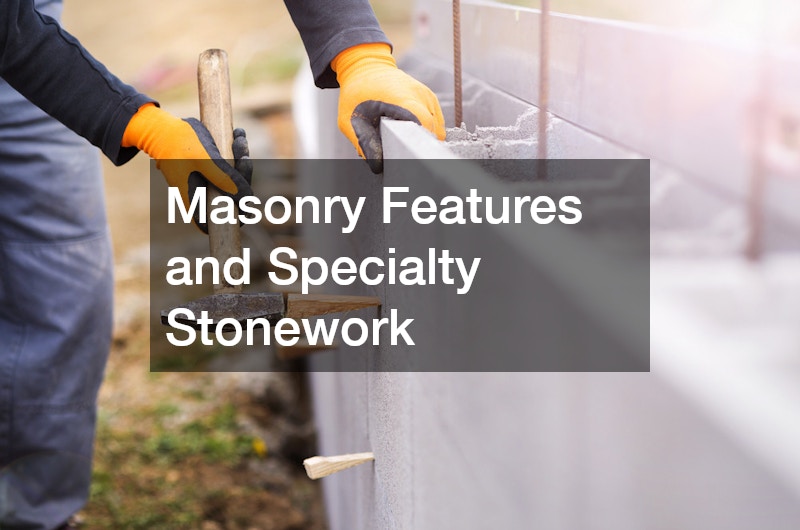
Retaining walls, outdoor kitchens, fire pits, and stone walkways fall into a different pricing category than flatwork because they require more specialized skill and often custom fabrication. A custom masonry contractor typically charges based on the complexity of the design, the type of stone or brick used, and whether the work involves structural elements like retaining walls that must meet local building codes. Natural stone costs significantly more than manufactured pavers, but many homeowners find the visual difference worth the investment.
Because masonry work is often built to last decades, it makes sense to view it as a long-term investment rather than judging it purely on upfront price. Getting a detailed breakdown of material sourcing, labor hours, and design complexity helps you understand exactly where your money is going.
- Natural stone: higher material cost, unique appearance
- Manufactured pavers or block: lower cost, more uniform look
- Structural walls: may require engineering review and permits
- Custom features like fire pits or seating walls add design time
Outdoor surface costs feel unpredictable until you understand what is actually driving the numbers on your quote, from soil conditions and material choice to seasonal timing and project scope. Armed with this knowledge, you are in a much better position to compare bids fairly and ask the right questions before signing a contract. Request a detailed, itemized estimate from any contractor you are considering, and do not hesitate to ask what is included and what might be an added cost later. A little research now can save you from budget surprises and help you choose a surface that holds up for years to come.