

Owning a home means budgeting for far more than a mortgage payment. Roofs age, water heaters fail, and driveways crack, often without warning and always at inconvenient times. A year-round maintenance budget turns these surprises into planned expenses, protecting both your property’s value and your bank account. This guide breaks down what to set aside for every major system on your property, season by season.
Planning Seasonal HVAC Servicing and Repairs
Your home’s comfort systems represent one of the biggest ongoing maintenance categories, and skipping routine service almost always costs more later. A properly maintained heating air conditioning system can run efficiently for fifteen to twenty years, while a neglected one may fail in half that time. Budgeting for two annual tune-ups, one in spring and one in fall, helps catch small issues like refrigerant leaks or worn belts before they become full breakdowns.
Set aside funds for both scheduled maintenance and unexpected repairs, since even well-cared-for systems eventually need parts replaced. A good rule of thumb is budgeting one to two percent of your home’s value annually toward HVAC upkeep and eventual replacement savings.
- Budget 150 to 400 dollars per year for two seasonal tune-ups
- Set aside an emergency repair fund of 300 to 800 dollars
- Replace air filters every one to three months to extend system life
- Save toward eventual full system replacement, which can run several thousand dollars
Finding Reliable HVAC Contractors Before You Need One

Waiting until your furnace dies on the coldest night of the year is not the time to start researching contractors. Research AC repair companies in your area before an emergency hits, comparing licensing, reviews, and warranty terms so you can make a calm decision rather than a rushed one. Many reputable contractors offer maintenance plans that bundle inspections and discounted repairs into one predictable annual fee.
Building a relationship with a trusted contractor also means faster response times when something does go wrong. Ask neighbors or local community groups for recommendations, and get at least two written estimates before committing to major repair work.
- Verify licensing, insurance, and years in business
- Ask about emergency or after-hours service availability
- Compare maintenance plan pricing across at least two providers
- Read recent customer reviews rather than relying on outdated ratings
Setting Aside Funds for Roof Inspections and Repairs
Your roof takes more abuse than almost any other part of your home, absorbing sun, wind, hail, and heavy rain year after year. Over time, that constant exposure breaks down shingles, seals, and flashing even if no obvious damage is visible from the ground. Scheduling an annual inspection with established roofing companies can catch small issues, like lifted shingles, damaged flashing, or cracked seals around vents and chimneys, before they turn into leaks that damage insulation and drywall. Many roofing companies also offer a post-storm inspection at a reduced rate or bundled into an annual service plan, which is worth taking advantage of after any major hailstorm or windstorm passes through your area. Budgeting 150 to 500 dollars annually for inspections and minor repairs is reasonable for most homes, though the exact figure depends on your roof’s age, size, and material. A newer asphalt shingle roof under ten years old will likely sit at the lower end of that range, while an older roof or one with metal, tile, or wood shakes may run higher due to specialized labor and materials. It also helps to set aside a separate reserve for larger repairs, since even well-maintained roofs eventually need patchwork after severe weather. Putting aside an extra 300 to 800 dollars every few years for unexpected fixes, like replacing a section of damaged flashing or repairing storm-torn shingles, can prevent a surprise expense from throwing off your entire annual maintenance budget.
Roof inspections should happen at least twice a year, ideally in spring and fall, plus after any major storm with high winds or hail. A professional inspection typically runs $150 to $400, and catching small issues early — a lifted shingle, worn flashing, minor granule loss — can prevent a $500 repair from turning into a $10,000 replacement. Homeowners in storm-prone regions should also consider upgrading to an IBHS FORTIFIED Roof standard, which is designed to better withstand high winds and hail through reinforced roof decking, sealed roof edges, and stronger fastening systems. While the upfront cost is higher than a standard reroofing job, often adding 5 to 15 percent to the total project, some insurance companies offer premium discounts of 10 to 30 percent for fortified construction, helping offset the investment over time. Beyond the fortified upgrade itself, it’s worth budgeting separately for routine maintenance items that extend a roof’s lifespan, such as gutter cleaning, moss or algae treatment, and resealing flashing around chimneys and vents. These smaller tasks often cost under $300 combined per year but significantly reduce the odds of water intrusion. Setting aside a larger reserve fund, even a modest 20 to 30 dollars a month, can make a future reroofing project — which can easily cost $8,000 to $20,000 depending on materials and roof size — far less financially stressful when the time eventually comes.
- Schedule inspections after major storms and once annually otherwise, ideally in spring and fall
- Budget $150–$300 per inspection if hiring a professional, or set aside time for a DIY visual check from the ground
- Budget for gutter cleaning twice a year, expecting $100–$250 per visit depending on roof size and accessibility
- Set aside $300–$1,000 annually for minor repairs like flashing, shingle replacement, or sealant touch-ups
- Reserve funds separately for a full roof replacement, typically needed every 20 to 30 years, costing $8,000–$20,000+ depending on materials
- Consider a dedicated high-yield savings account for roof replacement, contributing monthly rather than scrambling later
- Ask your insurer about discounts for storm-resistant roofing upgrades, such as impact-resistant shingles or metal roofing
Budgeting for Exterior Siding and Facade Upkeep

Siding does more than boost curb appeal; it is your home’s primary shield against moisture and pests. Fiber cement products installed by experienced james hardie siding companies tend to require less frequent replacement than vinyl or wood, but they still benefit from periodic inspection and occasional repainting. Setting aside 100 to 300 dollars annually for caulking, minor panel repairs, and cleaning keeps small problems from spreading.
Pay attention to warning signs like cracking, warping, or soft spots, which often indicate moisture has gotten behind the siding. Catching these issues early typically costs far less than waiting until rot spreads to the sheathing underneath.
- Inspect siding each spring for cracks, gaps, or discoloration
- Budget for repainting or refinishing every 8 to 12 years depending on material
- Keep sprinklers and landscaping from spraying directly onto siding
- Set aside a larger reserve for full siding replacement every 20 to 40 years
Preparing for Garage Door Repairs and Replacement
The garage door is one of the most frequently used mechanical systems on your property, often opening and closing multiple times a day. Springs, cables, and openers wear out over years of use, and professional garage door installations typically run several hundred to a few thousand dollars depending on materials and insulation features. Setting aside 50 to 100 dollars annually for lubrication, sensor checks, and minor adjustments helps extend the life of the entire system.
A malfunctioning garage door is also a security and safety issue, not just an inconvenience, so it deserves a dedicated line item in your budget rather than being lumped in with general home repairs. Watch for grinding noises, uneven movement, or slow response times as early indicators that service is needed.
- Test balance and auto-reverse safety features twice a year
- Budget 200 to 500 dollars for spring or cable replacement
- Set aside 700 to 2,500 dollars for eventual full door replacement
- Lubricate rollers and hinges every six months
Managing Underground Plumbing and Drainage Systems
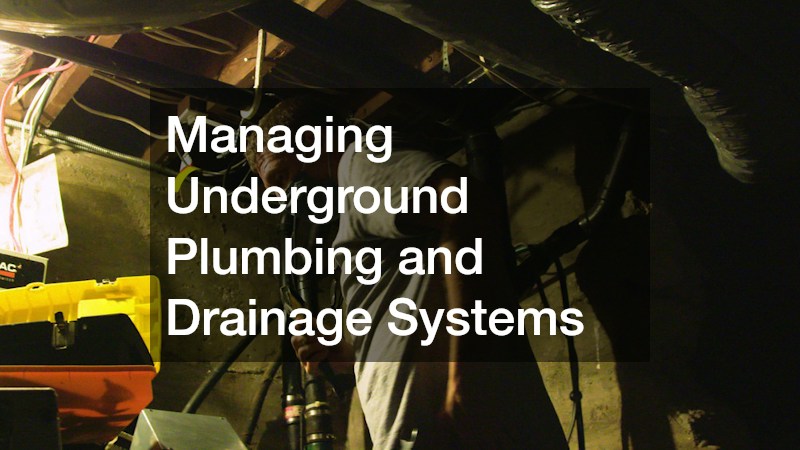
What happens beneath your yard is easy to forget until a slow drain turns into a backed-up basement. Tree roots, aging pipes, and ground shifting are common causes of blockages that eventually require sewer line repair, which can range from a simple cleaning to a full pipe replacement depending on severity. Homes with mature trees near the main line are especially vulnerable, since roots seek out even hairline cracks in search of moisture. Older properties with cast iron or clay pipes also face a higher risk of corrosion and collapse, often needing attention every 15 to 25 years depending on soil conditions. A camera inspection, typically 150 to 300 dollars, can catch early warning signs like minor cracks or root intrusion before they become full-blown emergencies costing thousands. Catching problems early often means the difference between a 300 dollar snake-and-clear job and a 5,000 dollar excavation. Budgeting a modest annual reserve, even 100 dollars a year, helps cushion the cost of an unexpected plumbing emergency. It’s also worth setting aside a separate, larger contingency fund every five years or so to cover a potential full sewer line replacement, since costs can climb into the 3,000 to 10,000 dollar range depending on pipe length and yard excavation needs.
Homes on well and septic systems face a related but separate maintenance need. Regular septic pumping, typically every three to five years depending on household size and tank capacity, prevents solid waste buildup that can lead to costly system failures or yard damage. A family of four with a 1,000-gallon tank usually falls on the shorter end of that range, while smaller households with larger tanks can often stretch toward five years. Budget roughly $300 to $600 per pumping visit, though costs climb if the technician has to locate and excavate a buried access lid. Adding risers to bring the tank opening flush with ground level is a worthwhile one-time investment, often $200 to $500, that makes every future service call faster and cheaper. Beyond pumping, keep an eye on the drain field. Avoid parking vehicles on it, planting trees nearby, or directing gutter downspouts toward it, since all three can compact soil or saturate the ground and shorten the field’s lifespan. Skipping septic pumping is one of the most common ways homeowners end up facing a five-figure septic replacement bill. A full system replacement, including a new drain field, can run anywhere from $10,000 to $25,000 depending on soil conditions and local permitting requirements, making the few hundred dollars spent every few years a clear bargain by comparison.
- Schedule septic pumping every three to five years as a baseline, or annually for households with garbage disposals or larger families
- Watch for slow drains, gurgling pipes, sewage odors, or soggy yard patches as warning signs of a failing system
- Avoid planting trees near sewer lines to reduce root intrusion, keeping fast-growing species at least 50 feet away
- Budget 150 to 500 dollars for routine drain camera inspections, with older clay pipe systems trending toward the higher end
- Set aside 100 to 300 dollars annually for enzyme treatments or hydro-jetting to keep main lines clear
- Reserve 3,000 to 10,000 dollars in a long-term fund for eventual sewer line or septic tank replacement
Accounting for Windows and Commercial-Grade Glass Needs
Windows and glass doors affect both energy efficiency and security, and damage often happens suddenly through storms, accidents, or age-related seal failure. Homeowners with larger glass installations, sunrooms, or storefront-style entries sometimes need to work with a commercial glass company rather than a standard residential glazier, since these specialists handle larger panes and specialized framing. Budgeting 100 to 250 dollars annually for minor repairs like reseals or hardware fixes keeps small issues from becoming bigger ones.
Foggy or drafty windows usually indicate a failed seal, which affects energy bills even if the glass itself looks fine. Replacing individual panes is far less expensive than replacing entire window units, so early attention pays off.
- Inspect seals and caulking annually for drafts or condensation between panes
- Budget 300 to 900 dollars per window for full replacement when needed
- Consider impact-resistant glass in storm-prone regions
- Clean and inspect tracks on sliding doors twice a year
Budgeting for Home Additions and Larger Renovation Projects

Not all maintenance budgets are about repairs; some are about planning ahead for growth. Families considering home extensions to add bedrooms, home offices, or expanded living space should build a separate savings line well before construction begins, since these projects often run tens of thousands of dollars depending on size and finishes. Setting aside funds gradually, even a few years in advance, reduces reliance on high-interest financing.
It also helps to get a rough estimate early, even if the project is years away, so you know roughly what you are saving toward. Costs vary widely based on permitting, foundation work, and finish level, so building in a 15 to 20 percent contingency buffer is wise.
- Get at least two to three contractor estimates before finalizing a budget
- Factor in permit fees, which vary significantly by municipality
- Set aside a contingency fund of 15 to 20 percent above the initial estimate
- Consider financing options early if saving the full amount will take years
A year-round maintenance budget does not need to be complicated, but it does need to be comprehensive, covering everything from HVAC tune-ups to septic care to long-term renovation goals. Start by listing every major system on your property, estimate realistic annual costs, and set aside monthly reserves rather than scrambling when something breaks. Reviewing and adjusting this budget once a year keeps it aligned with your home’s actual condition and your family’s changing needs. With a plan in place, you will be ready for whatever your property throws at you next.