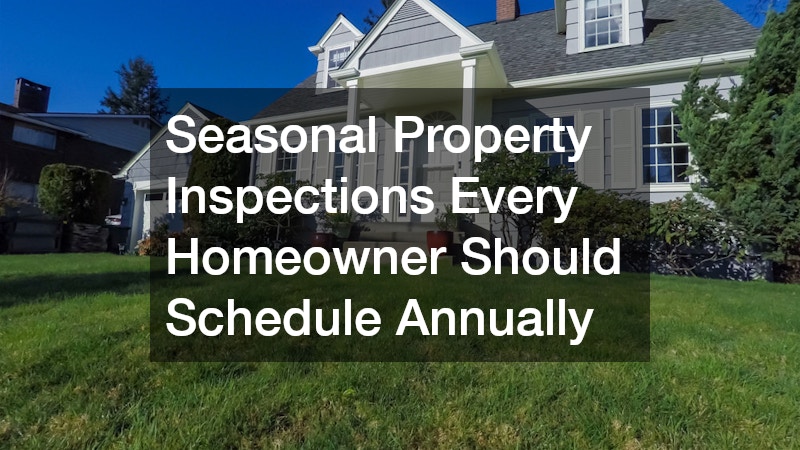
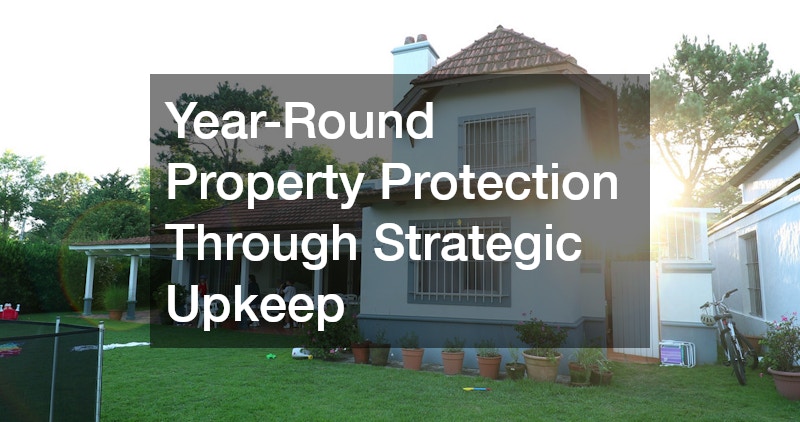
Owning a property means constantly fighting against the elements, whether it is scorching summer heat, driving winter storms, or the slow creep of seasonal wear. Waiting until something breaks is the most expensive way to handle maintenance, both financially and in terms of stress. A strategic, year-round approach to upkeep helps you catch small issues before they become costly emergencies. This guide breaks down the key areas of your property that deserve consistent attention throughout the year, so you can protect your investment with confidence.
Building a Seasonal Maintenance Calendar
The single most effective thing a property owner can do is stop thinking of maintenance as a one-time event and start treating it as an ongoing calendar of tasks. Different seasons put different stresses on a home, from freezing pipes in winter to overworked air conditioning units in summer. By mapping out what needs attention each quarter, you avoid the scramble that happens when multiple issues surface at once. This kind of planning also spreads costs out over the year instead of hitting you with one large repair bill.
- Spring: check for winter damage, clean debris from outdoor areas, inspect seals and caulking
- Summer: service cooling systems, inspect exterior paint and siding, check irrigation
- Fall: clear gutters, inspect heating systems, prepare landscaping for cold weather
- Winter: monitor for ice damage, check insulation, watch for drafts around windows and doors
Protecting the Roof Through Changing Weather
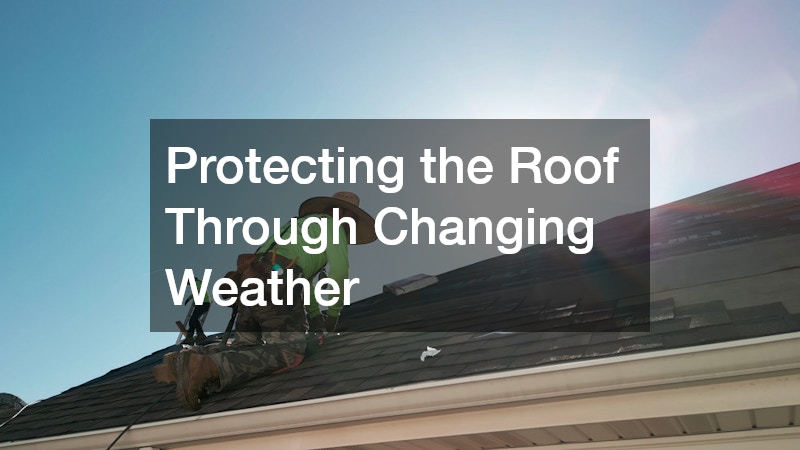
Your roof takes the brunt of every storm, temperature swing, and UV exposure your property experiences, making it one of the most important systems to monitor consistently. Small issues like a lifted shingle or a cracked seal can go unnoticed for months, quietly letting moisture into the attic or walls. Scheduling a professional inspection at least once a year, ideally before the harshest season in your region, gives you a clear picture of your roof’s condition before problems escalate. Many local roofers offer seasonal inspection packages that catch early warning signs, such as granule loss or flashing damage, that are easy to miss from the ground.
Beyond visual checks, it helps to understand the lifespan of your specific roofing material so you know when to expect increased vulnerability. Asphalt shingles, metal panels, and tile all age differently and respond differently to heat, hail, and wind. Keeping a record of past repairs and inspection dates also makes it easier to spot patterns, such as recurring leaks in the same spot, which often point to a deeper structural issue.
- Inspect after major storms for missing or damaged shingles
- Check attic spaces for signs of moisture or daylight coming through gaps
- Keep gutters and downspouts clear so water drains away from the roofline
- Trim overhanging branches that can scrape or drop debris onto the surface
Caring for Trees and Landscaping Near Your Home

Mature trees add value and beauty to a property, but they also carry risk if left unmanaged, especially during storm season when weak limbs are more likely to fail. Overgrown branches near rooflines, power lines, or walkways create hazards that are easy to overlook until something falls. Partnering with a reputable tree care company for periodic pruning and health assessments can prevent this kind of damage while also keeping your trees healthier for longer. These professionals can identify disease, pest infestation, or structural weakness that an untrained eye might miss entirely.
Healthy landscaping does more than look good; it plays a functional role in protecting your property from soil erosion, excess runoff, and even temperature regulation around your home. Regularly assessing tree root systems is also important, since aggressive roots can damage foundations, driveways, or underground pipes over time. A little proactive care each year goes a long way toward avoiding expensive removal or repair costs later.
- Schedule pruning before storm season to remove weak or hanging limbs
- Watch for signs of disease such as discolored leaves or peeling bark
- Keep root systems away from foundations, sewer lines, and driveways
- Remove dead trees promptly before they become a safety hazard
Managing Water Flow and Drainage
Water is one of the most persistent threats to any property, and poor drainage is often the hidden cause behind foundation cracks, basement flooding, and mold growth. Grading around your home should direct water away from the structure rather than allowing it to pool near the foundation. Checking downspout extensions and drainage channels after heavy rain helps confirm that water is actually flowing where it should. Left unaddressed, drainage issues tend to worsen gradually until they cause visible structural damage.
- Ensure the ground slopes away from your foundation on all sides
- Clean gutters at least twice a year to prevent overflow
- Install splash blocks or extensions to direct water further from the home
- Watch for standing water in the yard after storms as a warning sign
Maintaining the Exterior Structure and Foundation
The foundation and exterior walls are the framework that everything else depends on, so periodic inspection here is essential. Small cracks in siding, brick, or concrete may seem minor but can widen over time if moisture gets trapped inside them. Checking for uneven settling, sticking doors, or gaps around window frames can reveal early signs of foundation movement. Addressing these issues early is almost always cheaper than waiting for them to become structural emergencies.
- Inspect foundation walls for new or widening cracks each season
- Reseal exterior joints and window frames as needed
- Watch for doors or windows that suddenly stick or don’t close properly
- Check crawl spaces and basements for dampness or musty odors
Setting a Realistic Maintenance Budget
Strategic upkeep works best when it is paired with a realistic budget that anticipates recurring costs rather than treating every repair as a surprise expense. Setting aside a small percentage of your property’s value each year for maintenance can help absorb the cost of inspections, minor repairs, and seasonal servicing. This approach reduces financial stress and makes it easier to say yes to preventive work instead of postponing it until a bigger problem forces your hand. Tracking expenses over time also helps you spot which systems need more frequent attention.
- Set aside one to two percent of your property value annually for upkeep
- Prioritize preventive inspections over reactive repairs
- Keep a simple log of past maintenance and costs for reference
- Adjust your budget based on the age and condition of major systems
Protecting your property year-round is less about grand gestures and more about consistent, well-timed attention to the systems that quietly keep your home safe. By building a seasonal routine and addressing small issues before they grow, you save money and avoid unnecessary stress down the road. Start by walking through your property this week and noting anything that needs a closer look. Taking that first step puts you back in control of your home’s condition instead of reacting to it.