As the long days of summer begin to fade, many gardeners assume their outdoor flower beds are destined to wither away into shades of brown. However, autumn presents one of the most vibrant and dramatic opportunities for garden design. With crisp air, cooler soil temperatures, and soft golden light, fall is actually an ideal season for late-blooming perennials and cold-hardy annuals. By thoughtfully selecting species that thrive in lower temperatures, you can ensure your yard remains a colorful haven right up until the first hard frost arrives. In fact, many autumnal varieties produce much richer blossom colors when exposed to cooler nighttime temperatures.
Preparing a fall garden requires a slight shift in mindset. Instead of focusing solely on delicate summer blooms, autumn gardening relies on rich jewel tones, structural foliage, and hardy blossoms that can handle chilly nights. Taking time to clear out fading summer annuals creates valuable open space for these fresh seasonal additions. Visiting local plant stores during late summer and early autumn allows you to see which cold-tolerant varieties are currently thriving and ready to be transplanted directly into your beds or containers.
Classic Autumn Bloomers for Lasting Color
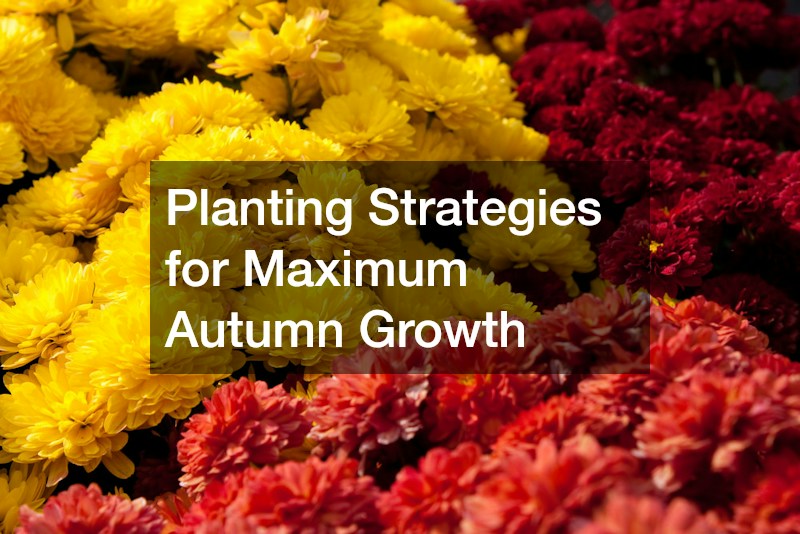
When building a late-season landscape, certain classic perennials are essential for maintaining continuous blooms. Chrysanthemums, commonly known as mums, are the undisputed royalty of the fall garden. Available in deep crimsons, burnt oranges, golden yellows, and rich purples, mums provide dense, dome-like clusters of blossoms that can withstand declining temperatures. To maximize their bloom time, select plants with plenty of tight buds rather than those already in full flower.
Another indispensable choice is the perennial Aster. Producing clouds of daisy-like flowers in shades of lavender, blue, pink, and white, asters bring a cool-toned contrast to the warm palette typical of autumn foliage. They are particularly valuable because they provide crucial late-season nectar for migrating butterflies and pollinators. Planting asters alongside early-blooming autumn varieties establishes a continuous nectar source that supports local biodiversity well into October. Pairing asters with Sedum, often called stonecrop, adds both texture and durability. Varieties like Autumn Joy feature thick, succulent leaves and broad flower heads that transition from soft pink in late summer to deep copper-red by mid-autumn.
Cold-Hardy Annuals and Structural Foliage
In addition to reliable perennials, incorporating cold-hardy annuals is one of the easiest ways to fill empty spots left behind by faded summer crops. Pansies and violas are remarkably resilient options that thrive in cool weather, often surviving light frosts unharmed. Their cheerful, face-like markings bring immediate brightness to window boxes, hanging baskets, and garden borders.
To complement these flowering varieties, integrate ornamental cabbages and kales into your containers and beds. While they do not produce traditional flowers, their ruffled, feathered leaves develop intense shades of magenta, violet, and creamy white as nighttime temperatures drop. Browse nearby plant stores to discover unique varieties of ornamental greens that add striking architectural shape and unexpected color variations to your fall displays.
Golden Rods and Late-Season Grasses
For a looser, more naturalistic garden aesthetic, native species like Solidago, commonly known as goldenrod, offer brilliant feathery plumes of bright yellow blossoms. Goldenrod bridges the gap between late summer and late autumn, pairing exceptionally well with the dark purple tones of asters and the metallic sheens of ornamental grasses.
Ornamental grasses themselves reach their peak beauty during the fall months. Species such as Fountain Grass, Switchgrass, and Feather Reed Grass produce delicate, feathery plumes that catch the low autumn sunlight and move gracefully in the wind. The gentle rustling sound of mature ornamental grasses adds a soothing auditory dimension to your outdoor living area on breezy afternoons. Beyond their visual appeal, these grasses maintain their structural integrity throughout the winter, providing movement, texture, and visual interest long after the final flowers have faded.
Planting Strategies for Maximum Autumn Growth
Timing and technique are vital when establishing new additions in the fall garden. Because the growing window before the first frost is relatively short, it is best to purchase well-established potted specimens rather than starting from seed. Exploring regional plant stores during the late season often yields robust, mature specimens that can be planted immediately for visual impact.
When setting new plants into the ground, water them thoroughly to help their root systems acclimate before the soil freezes. Deep soaking immediately after planting helps settle the soil around root balls and prevents air pockets from forming. Applying a generous two-to-three-inch layer of organic mulch around the base of your plants helps retain soil warmth and moisture, shielding root systems from sudden temperature dips. Removing spent flowers, a process known as deadheading, encourages plants like pansies and mums to continuously produce fresh buds rather than shifting their energy toward seed production.
A thoughtfully planned fall garden proves that the end of summer does not mark the end of vibrant outdoor living. By blending resilient perennials, cold-tolerant annuals, and textured ornamental foliage, you can create a dynamic landscape that evolves beautifully as the weather cools. Taking time to care for your garden during these crisp months rewards you with a rich, colorful sanctuary that stands strong against the chill, keeping your property lively and beautiful right up until winter takes hold.