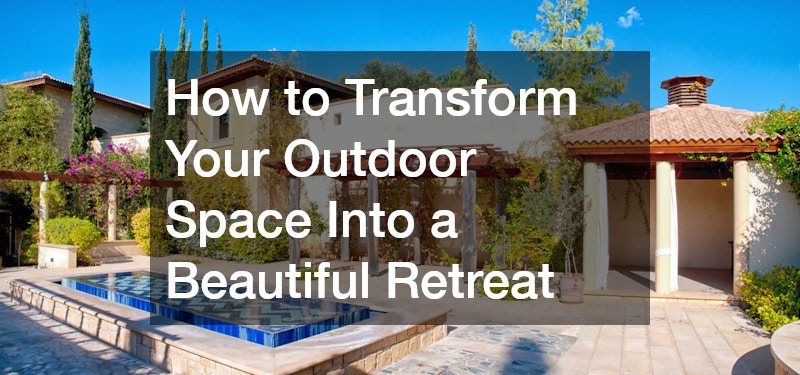
Transforming your outdoor space into a beautiful retreat is one of the most impactful ways to enhance your home and your everyday life. A thoughtfully designed yard becomes more than just an exterior—it turns into a place where you can unwind, connect with others, and enjoy the outdoors in comfort. Whether you’re starting with a blank slate or improving an existing setup, the process requires a balance of creativity, planning, and consistent upkeep.
Start With a Clear Vision and Purpose

Before diving into physical upgrades, it’s essential to define what you want your outdoor space to become. Think beyond aesthetics and consider how you plan to use the area on a daily basis. Do you envision quiet mornings with coffee, lively weekend gatherings, or a space where kids and pets can play freely? Your answers will shape every decision moving forward.
Incorporating landscape design early on helps turn abstract ideas into a structured, actionable plan. Rather than randomly placing features throughout your yard, you’ll create a layout that balances open space with focal points. This ensures your retreat feels intentional instead of cluttered, and it allows you to maximize both usability and visual harmony.
To bring clarity to your vision, it helps to break the process into manageable steps. Start by identifying your priorities and mapping out how different areas will function. This creates a roadmap that guides your decisions and prevents costly missteps later. Taking the time to plan thoroughly will save you from frustration later. A clear vision not only keeps your project on track but also ensures every addition contributes to a cohesive final result.
Evaluate Your Current Space and Natural Elements
Understanding your starting point is crucial before making any major changes. Every outdoor space has unique characteristics, from sunlight patterns and soil quality to drainage and elevation. These natural elements will influence what you can realistically achieve and how your design should be structured.
Walk through your yard at different times of the day to observe how sunlight moves across the space. Pay attention to areas that receive full sun, partial shade, or constant shade, as this will affect plant selection and seating placement. Incorporating features like landscape rock can help address problem areas such as poor drainage while also adding visual texture and contrast.
A thorough evaluation should also include identifying what already works well in your yard. Mature trees, natural slopes, or existing patios can often be integrated into your design rather than removed. This not only saves money but also creates a more organic, established look.
To ensure you don’t overlook anything important, follow a systematic approach when assessing your space:
- Test soil quality to determine what types of plants will thrive
- Identify areas where water pools after rain
- Note any uneven ground or erosion concerns
- Mark underground utilities before digging
Taking these steps allows you to design with confidence. By working with your yard’s natural features instead of against them, you’ll create a more sustainable and functional outdoor retreat.
Create Structure With Functional Layout Planning
A well-organized layout is the backbone of any successful outdoor transformation. Without structure, even the most beautiful elements can feel disjointed. Dividing your yard into purposeful zones — such as dining, lounging, and pathways — creates a sense of order and improves usability.
This is where hardscaping becomes essential. Structural elements like patios, walkways, retaining walls, and built-in seating define how people move through the space. If your project involves more complex installations, working with professionals who provide hardscaping services can ensure proper construction and long-term durability.
When adding hardscape features like fire pits and seating areas, it’s important to follow a clear, step-by-step process. Start by choosing a location that is level and away from structures for safety. Next, excavate the area to create a stable base, typically using compacted gravel. Once the base is set, install pavers, bricks, or stone to form the foundation.
After your base is complete, you can begin building your fire pit using heat-resistant materials such as stone blocks or fire-rated bricks. For seating, consider a mix of built-in options like stone benches and movable outdoor furniture for flexibility. Arranging seating in a circular layout around the fire pit encourages conversation and creates a natural focal point.
A strong layout doesn’t just improve aesthetics — it enhances how your space functions daily. Taking the time to plan and properly install these elements will ensure your outdoor retreat is both beautiful and practical.
Refresh and Revitalize Your Lawn Area
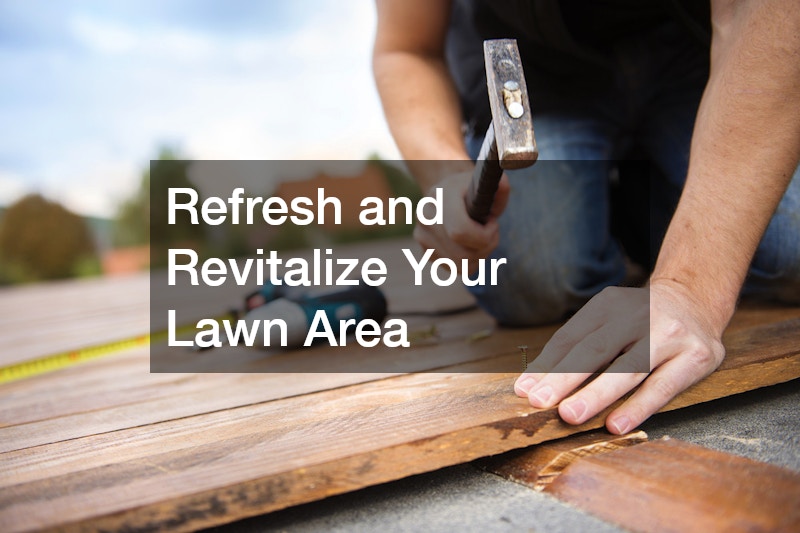
A healthy lawn acts as the foundation for your entire outdoor space. If your grass is thin, patchy, or discolored, it can detract from even the most well-designed features. Revitalizing your lawn requires a combination of proper care techniques and consistent maintenance.
One of the most important steps is implementing effective lawn fertilization. Providing your grass with the right nutrients at the right time promotes strong root growth and vibrant color. Pairing this with consistent lawn care practices — such as mowing at the correct height and watering deeply—ensures long-term health.
Improving your lawn isn’t a one-time task but an ongoing process. Addressing underlying issues like compacted soil or poor drainage will make a significant difference in how your grass responds to care.
To get the best results, follow these essential steps:
- Aerate your lawn to improve airflow and nutrient absorption
- Overseed to fill in bare or thinning areas
- Apply fertilizer based on seasonal needs
- Water deeply but less frequently to encourage deeper roots
A well-maintained lawn not only looks great but also creates a welcoming environment for relaxation and outdoor activities. With consistent effort, your grass will become a lush, green centerpiece that ties your entire space together.
Add Layers of Greenery for Depth and Privacy
Plants play a vital role in transforming your yard into a true retreat. By layering different types of greenery, you can create depth, texture, and a sense of enclosure that makes your space feel more intimate and inviting.
Start by combining tall elements like trees with mid-sized shrubs and low-growing plants. This layered approach not only enhances visual appeal but also provides natural privacy from neighbors. Maintaining these plants through regular lawn maintenance ensures they remain healthy and well-shaped over time.
Choosing the right plants is just as important as how you arrange them. Consider your climate, soil conditions, and the amount of sunlight each area receives. Native plants are often the best choice, as they require less water and maintenance while thriving in local conditions.
When planning your greenery, keep these tips in mind:
- Use evergreens for year-round coverage
- Add flowering plants for seasonal color
- Incorporate fast-growing shrubs for privacy
- Mix textures and heights for visual interest
With thoughtful selection and placement, your plants will enhance both the beauty and functionality of your outdoor retreat. Over time, they’ll create a lush environment that feels both natural and carefully curated.
Address Overgrowth and Remove Problem Areas
Clearing out overgrown or damaged elements is an essential step in creating a clean and functional outdoor space. Overcrowded plants, diseased trees, and unmanaged areas can make your yard feel chaotic and limit its usability.
In some cases, hiring a professional tree removal service is the safest and most efficient way to handle large or hazardous trees. Additionally, selective logging can help open up your space, allowing more sunlight to reach your lawn and plants while improving airflow.
Removing problem areas also creates opportunities for new features. Once clutter is cleared, you’ll have a better sense of how to use your space and where to place new elements.
When tackling overgrowth, focus on these key actions:
- Remove dead or diseased trees and branches
- Thin out dense areas to improve light and airflow
- Clear debris and unwanted vegetation
- Level uneven ground if necessary
Taking the time to address these issues sets the stage for a more polished and functional outdoor environment. It also ensures your space remains safe and enjoyable for everyone who uses it.
Incorporate Water, Lighting, and Ambiance Features
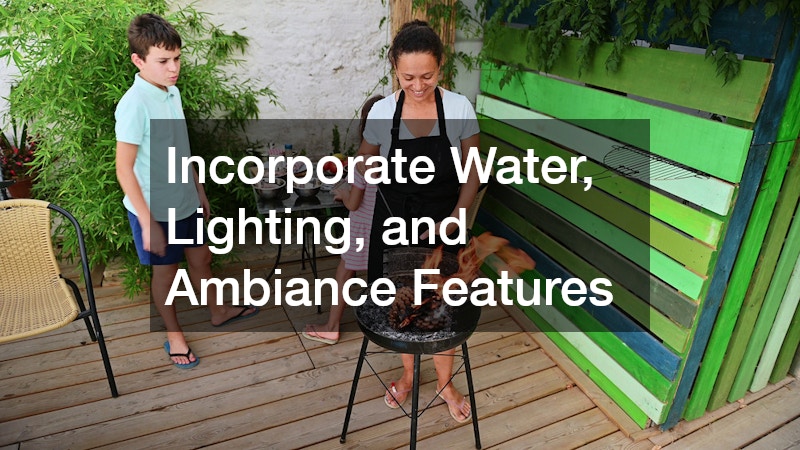
Once the foundational elements are in place, adding ambiance features can take your outdoor space to the next level. These details transform a functional yard into a relaxing retreat that can be enjoyed at any time of day.
Water features such as fountains or small ponds introduce a calming sound that enhances relaxation. Lighting, on the other hand, improves both safety and atmosphere. Integrating these elements into your overall landscape design ensures they complement the rest of your space.
When planning ambiance features, think about how they will be used and maintained. Proper placement and installation are key to achieving the desired effect.
Consider adding the following:
- Pathway lighting for safety and navigation
- String lights or lanterns for a cozy feel
- A small fountain for visual and auditory appeal
- Fire features for warmth and gathering
These additions create a welcoming environment that encourages you to spend more time outdoors. With the right combination of features, your yard can feel like a true extension of your home.
Choose Durable Materials for Long-Term Appeal
Durability is a critical factor when selecting materials for your outdoor space. Choosing high-quality options ensures your investment will stand up to weather, foot traffic, and time.
Materials like stone and concrete are popular for their strength and low maintenance. Incorporating landscape rock into your design provides both functional and decorative benefits, especially in areas prone to erosion. Pairing this with solid hardscaping creates a cohesive and long-lasting foundation.
When evaluating materials, it’s important to consider both appearance and practicality. Some options may look appealing initially, but require frequent upkeep or replacement.
To make the best choices, keep these factors in mind:
- Resistance to weather and temperature changes
- Maintenance requirements over time
- Cost versus expected lifespan
- Compatibility with your overall design
Investing in durable materials will save you time and money in the long run. It also ensures your outdoor retreat maintains its beauty and functionality for years to come.
Maintain Equipment and Tools for Ongoing Care
Keeping your outdoor space in top condition requires reliable tools and equipment. Neglecting maintenance can lead to inefficiencies and even damage to your lawn and plants.
Regular lawn mower repairs are essential for ensuring clean, even cuts that promote healthy grass growth. Pairing this with consistent lawn care practices allows you to maintain a polished and well-kept appearance.
Taking care of your tools doesn’t have to be complicated, but it does require consistency. Small efforts can make a big difference in performance and longevity.
To keep your equipment in good shape:
- Clean tools after each use
- Sharpen blades regularly
- Store equipment in a dry, protected area
- Schedule routine maintenance checks
Properly maintained tools make your tasks easier and more effective. They also help you achieve better results, keeping your outdoor space looking its best.
Build a Sustainable Routine for Lasting Results
Creating a beautiful outdoor retreat is only the beginning. Maintaining it requires a consistent and sustainable routine that keeps everything in good condition over time. Without regular upkeep, even the most well-designed spaces can quickly lose their appeal.
Ongoing lawn maintenance is essential for preserving the health and appearance of your yard. At the same time, periodic updates or repairs may call for professional hardscaping services to ensure structural elements remain safe and functional.
Developing a routine helps you stay organized and prevents small issues from becoming major problems. It also makes maintenance feel more manageable and less overwhelming. By staying consistent and proactive, you can enjoy a space that continues to evolve and improve over time. Your outdoor retreat will remain a place of comfort, beauty, and relaxation for years to come.
Transforming your outdoor space into a beautiful retreat is a process that combines thoughtful planning, creative design, and ongoing care. Each step you take — from shaping your vision to maintaining the final result — contributes to a space that reflects your personal style and supports your lifestyle.
With patience and a strategic approach, your yard can become more than just an outdoor area. It can be a destination — a place where you relax, gather, and recharge. By investing time and effort into your space, you’ll create an environment that continues to bring value, enjoyment, and inspiration long into the future.