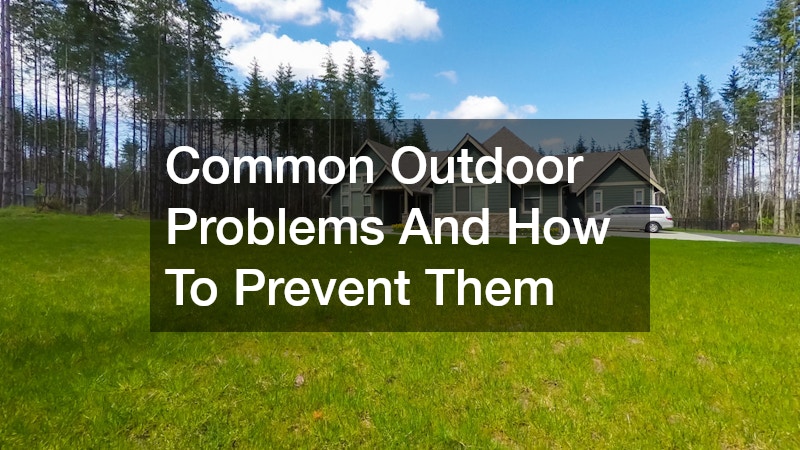
Maintaining an outdoor space requires more than occasional mowing and seasonal cleanup. Yards, trees, gardens, and exterior areas are constantly affected by weather, changing seasons, pests, and natural growth patterns. Without consistent care, small issues can quickly become larger problems that impact safety, appearance, and property value.
Many homeowners do not notice outdoor problems until they become difficult or expensive to correct. A damaged tree branch, declining plant health, drainage issue, or pest infestation can develop gradually before becoming obvious. Taking a proactive approach allows homeowners to identify warning signs early and address concerns before they lead to major repairs.
Understanding common outdoor challenges and learning how to prevent them can help create a healthier, safer, and more attractive property. With proper planning, routine maintenance, and professional assistance when needed, homeowners can protect their outdoor spaces throughout the year.
Recognize Early Signs Of Landscape Damage Before Problems Grow

Outdoor problems often begin with subtle changes that are easy to overlook. A few dying plants, thinning grass, or minor soil erosion may not seem urgent, but these issues can indicate larger concerns developing beneath the surface.
One of the best ways to prevent outdoor damage is to regularly inspect the property. Walk around the yard throughout the year and look for changes in plant health, drainage patterns, and the condition of outdoor features. Early detection gives homeowners more time to find solutions before damage spreads.
Common signs that an outdoor area may need attention include:
- Standing water after rainfall
- Soil washing away near slopes or foundations
- Plants that appear unhealthy despite regular care
- Excessive weed growth
- Areas where grass struggles to grow
- Damaged or deteriorating outdoor materials
Using quality materials can also make a difference when improving outdoor areas. Homeowners planning new gardens, planting projects, or drainage improvements can visit a landscape supply store to find products suited for their specific needs. Proper soil, mulch, stone, and other materials can help create a stronger foundation for long-term outdoor health.
Regular observation is one of the simplest ways to prevent minor concerns from becoming major projects. A few minutes spent checking the property each month can reveal changes that require attention.
Improve Soil Health And Plant Growth With Proper Planning
Healthy landscapes begin with healthy soil. Poor soil conditions can prevent plants from thriving and may contribute to drainage issues, erosion, and increased maintenance needs. Before planting new vegetation or redesigning an outdoor area, homeowners should understand the condition of their soil.
Soil improvement strategies may include:
- Adding organic material to improve nutrients
- Applying mulch to maintain moisture
- Improving drainage in areas where water collects
- Choosing plants that match local growing conditions
- Testing soil quality before major planting projects
Plant selection also plays an important role in reducing future problems. Plants that are not suited for the environment may require excessive watering, frequent treatment, or replacement. Choosing durable plants that can handle local weather conditions often results in a healthier and easier-to-maintain yard.
A local landscaping company can help homeowners evaluate their outdoor spaces and develop plans that support long-term growth. Professional recommendations can make it easier to select appropriate plants, materials, and maintenance strategies based on the property’s specific conditions.
Proper planning saves time and money by reducing preventable issues. Instead of constantly reacting to outdoor problems, homeowners can create a landscape designed for durability and easier care.
Address Tree Hazards Before They Become Safety Risks
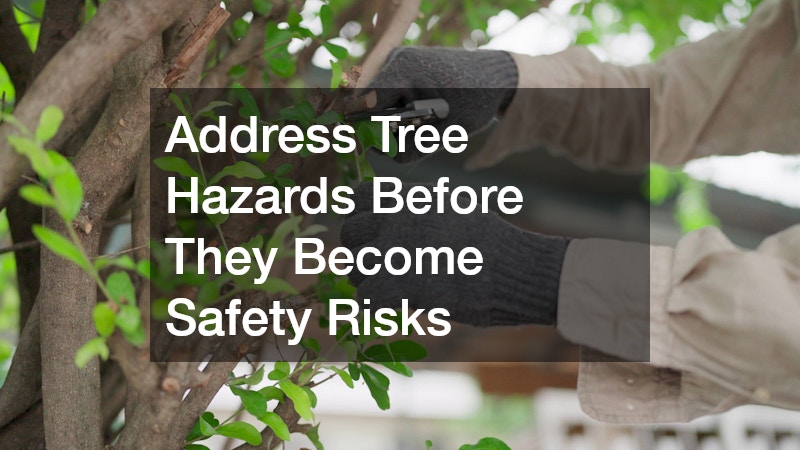
Trees provide shade, beauty, and environmental benefits, but unhealthy trees can create serious safety concerns. Over time, trees may become damaged by storms, disease, insects, or natural aging. Ignoring these warning signs can increase the risk of falling branches or structural damage.
Homeowners should regularly inspect trees for signs that they may be declining. Important warning signs include:
- Large dead branches
- Cracks in the trunk
- Leaning growth patterns
- Visible root damage
- Hollow areas in the tree
- Fungal growth near the base
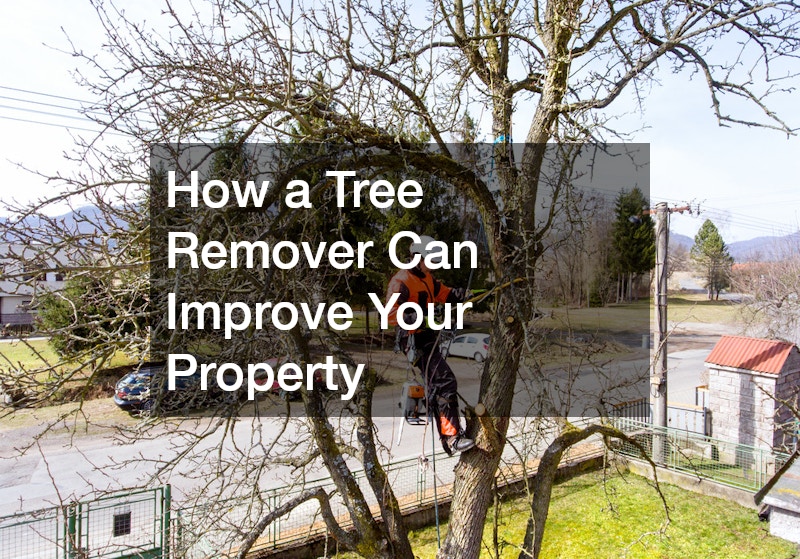
When a tree becomes severely damaged or poses a safety concern, tree removal may be necessary. Removing a hazardous tree requires careful planning and proper equipment to avoid damage to surrounding property.
Attempting to remove large trees without professional experience can create significant risks. Trees can shift unexpectedly, fall in unpredictable directions, or damage nearby structures during removal. Professional evaluation helps determine whether removal is the safest option or whether the tree can be preserved through maintenance.
Preventing tree-related hazards starts with routine inspections and addressing concerns early. Healthy trees are more resilient and less likely to create unexpected problems during severe weather or changing conditions.
Prepare For Unexpected Tree Damage During Severe Weather
Severe weather can quickly transform a healthy outdoor area into a hazardous environment. Strong winds, heavy rain, ice, and storms can break branches, uproot trees, and create dangerous conditions around homes.
After a storm, homeowners should inspect their property carefully while prioritizing safety. Do not approach unstable trees or attempt to move large branches without knowing whether they are secure.
Important steps after storm damage include:
- Checking for visible tree damage from a safe distance
- Avoiding areas near damaged power lines
- Removing small debris only when it is safe
- Photographing damage for documentation
- Contacting professionals for hazardous situations
An emergency tree service can help address dangerous tree conditions quickly after severe weather. Professionals have the equipment and training needed to handle fallen trees, unstable branches, and other urgent situations.
Preparing before storms occur can also reduce damage. Keeping trees properly maintained, removing weak branches, and monitoring tree health throughout the year can lower the risk of severe storm-related issues.
Create A Routine Schedule For Tree Health And Maintenance
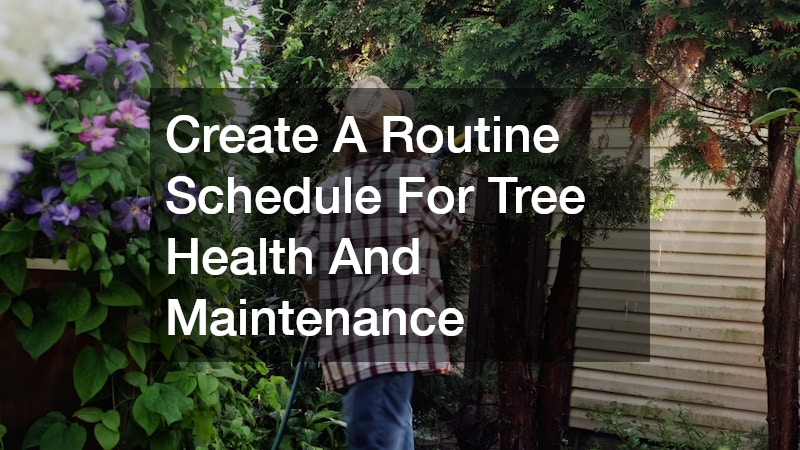
Trees require ongoing care to remain strong and healthy. While many homeowners assume trees can thrive without attention, regular maintenance helps identify problems before they affect the tree’s structure or surrounding property.
A consistent care routine may include:
- Inspecting trees for signs of disease
- Checking for pest activity
- Maintaining proper soil moisture
- Applying mulch around tree bases
- Monitoring changes in growth patterns
A tree maintenance service can provide professional care designed to support tree health throughout the year. Routine evaluations help identify concerns early and allow property owners to address issues before they become severe.
Healthy trees are also better prepared to withstand environmental stress. Proper maintenance can improve stability, reduce damaged branches, and support healthier growth.
Homeowners should consider tree care as a long-term investment. Preventative maintenance often costs less than dealing with emergency damage caused by neglected trees.
Keep Trees Strong With Proper Pruning Techniques
Pruning is an important part of maintaining healthy trees, but improper trimming can cause more harm than good. Removing too many branches or cutting trees incorrectly can weaken their structure and increase vulnerability to disease.
Proper pruning focuses on improving tree health while maintaining natural growth patterns. Homeowners should avoid excessive trimming and understand that different tree species may require different approaches.
Benefits of proper pruning include:
- Removing dead or damaged branches
- Improving airflow through the canopy
- Reducing safety risks
- Supporting balanced growth
- Improving the appearance of trees
A local tree service can help homeowners determine when pruning is needed and what methods are appropriate. Professional care helps protect trees while reducing the risk of accidental damage.
Regular tree trimming services are especially valuable for mature trees near homes, driveways, walkways, and other structures. Maintaining branch growth can prevent falling limbs and keep outdoor spaces safer.
Prevent Outdoor Pest Problems Before They Spread
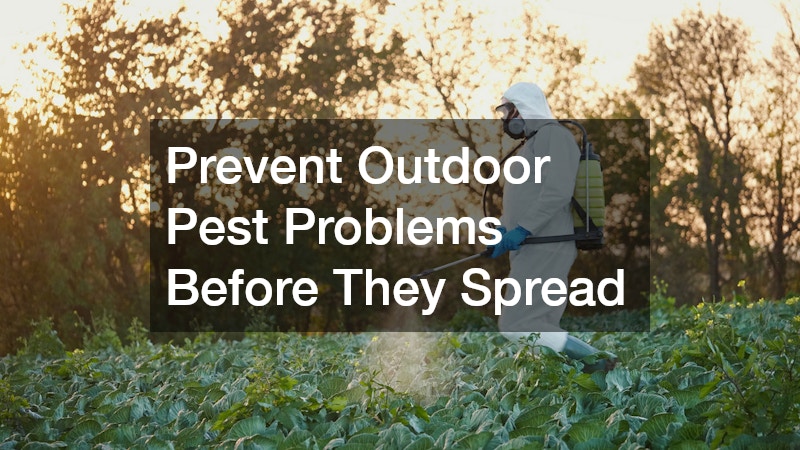
Outdoor pests can damage plants, trees, and structures if they are not addressed early. Many infestations begin with small signs that homeowners may overlook, allowing problems to expand over time.
Common signs of pest activity include:
- Damaged leaves or plants
- Holes in wood surfaces
- Increased insect activity
- Unusual plant decline
- Nesting areas around the property
Preventing pests starts with maintaining a clean and organized outdoor environment. Simple habits can reduce conditions that attract unwanted insects and animals.
Helpful prevention steps include:
- Removing standing water
- Keeping outdoor areas free of debris
- Storing firewood away from structures
- Maintaining healthy plants
- Sealing cracks around outdoor structures
A local pest control provider can help identify potential risks and recommend appropriate solutions for recurring problems. Professional guidance is especially useful when pests continue returning despite regular homeowner maintenance.
Early prevention protects outdoor spaces and reduces the likelihood of more extensive damage.
Protect Structures By Identifying Hidden Pest Threats
Some outdoor problems develop quietly and may not become obvious until significant damage has already occurred. Certain pests can affect wooden structures, landscaping materials, and parts of a home without creating noticeable signs immediately. Because these issues often progress slowly, homeowners may not realize there is a problem until repairs become more extensive and costly.
Pests can enter through small cracks, damaged areas, moisture-prone locations, and gaps around exterior structures. Once inside, they may damage wood, weaken materials, and create conditions that allow infestations to spread. Regularly checking outdoor areas, including decks, fences, sheds, and areas near the foundation, can help homeowners identify potential concerns before they become serious.
Termites are one example of pests that can cause extensive damage if left untreated. These insects feed on wood materials and often remain hidden behind walls, beneath flooring, or within structural components. Because termite activity often occurs out of sight, regular evaluations are important for identifying problems early.
A termite inspection can help detect signs of activity before major structural damage occurs. Professionals can look for indicators such as:
- Damaged wood or areas that appear weakened
- Mud tubes near foundations or exterior walls
- Moisture problems that attract termites
- Small openings or gaps where pests may enter structures
- Signs of previous pest activity around outdoor materials
Homeowners can reduce risks by addressing conditions that attract termites and other damaging insects. This includes improving drainage around the property, repairing leaks quickly, reducing wood contact with soil, and maintaining proper outdoor upkeep. Keeping mulch, firewood, and other organic materials away from the foundation can also make the property less appealing to pests.
Regular property maintenance can also help prevent hidden pest issues from developing. Homeowners should check for damaged siding, cracks around windows and doors, standing water, and areas where moisture accumulates. These small concerns may seem minor but can create opportunities for pests to enter and thrive.
Early detection is one of the most effective ways to limit repair costs. Routine inspections provide valuable information and help homeowners make informed decisions about protecting their property. Addressing pest concerns before they become severe can preserve the condition of outdoor structures, maintain property value, and prevent unnecessary damage.
Maintain A Cleaner Yard To Reduce Pest Risks
A well-maintained yard is not only more attractive but also less likely to experience recurring pest problems. Overgrown vegetation, accumulated debris, and excess moisture can create ideal conditions for insects and other unwanted pests. When outdoor areas are neglected, pests can find easier access to food, shelter, and breeding areas, increasing the likelihood of infestations around the property.
Regular outdoor maintenance helps eliminate many common pest-friendly environments. Homeowners should focus on keeping areas around the property clean and manageable while paying attention to areas where pests are most likely to hide. Simple maintenance habits performed throughout the year can significantly reduce potential problems and help protect plants, outdoor structures, and living spaces.
Effective maintenance practices include:
- Removing fallen branches and leaves that can provide hiding places for insects and rodents
- Cleaning gutters regularly to prevent standing water and moisture buildup
- Keeping grass trimmed to reduce areas where pests can hide
- Managing overgrown plants near walkways, foundations, and outdoor structures
- Reducing areas where water collects after rainfall
- Storing outdoor materials properly to prevent pest nesting areas
Homeowners should also inspect outdoor storage areas, sheds, patios, and fences regularly. These areas can become overlooked locations where pests establish colonies or gain access to other parts of the property. Keeping these spaces organized and free from unnecessary clutter makes it easier to identify early warning signs of pest activity.
Professional pest control may be necessary when infestations continue despite preventative efforts. Experts can help identify the source of the problem, recommend targeted treatments, and provide guidance for reducing future risks. Combining good maintenance habits with professional solutions creates a stronger defense against recurring issues.
Outdoor maintenance is an ongoing process that changes with the seasons. Spring growth, summer moisture, fall debris, and winter weather can all create different challenges for homeowners. Small improvements made consistently throughout the year can help prevent larger problems, support a healthier landscape, and maintain a safer property for everyone who enjoys the outdoor space.
Outdoor problems are often easier and less expensive to manage when they are addressed early. Regular inspections, proper maintenance, and preventative care help protect trees, plants, and exterior areas from damage caused by weather, neglect, and pests.
Homeowners can create healthier outdoor spaces by paying attention to warning signs, maintaining consistent routines, and seeking professional support when challenges become more complex. A proactive approach not only improves the appearance of a property but also supports long-term safety and value.
Taking small steps today can help prevent costly outdoor issues in the future while creating a more enjoyable environment for homeowners and their families.