Cracks in a patio, a leaning retaining wall, or steps that no longer sit level can feel like minor cosmetic annoyances, but they sometimes point to something happening well below the surface. Homeowners often patch these problems repeatedly without asking why they keep coming back. Understanding the difference between surface wear and a genuine foundation concern can save you thousands of dollars and a lot of frustration down the road. This guide walks through the specific signs worth watching for so you can decide whether a simple repair will do or whether it is time to dig deeper.
Understanding Normal Wear versus Structural Warning Signs
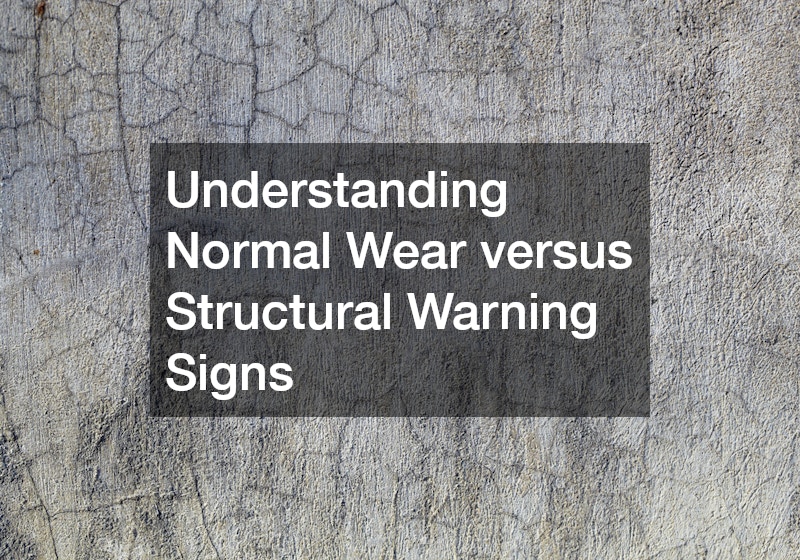
Every hardscape feature ages, and small hairline cracks in concrete or slightly shifted pavers are usually just the result of years of freeze-thaw cycles and foot traffic. A hairline crack under 1/8 inch wide that doesn’t grow is typically cosmetic, as is minor paver settling of less than an inch caused by loose jointing sand or a few seasons of soil compaction. The key is learning to spot patterns that suggest movement rather than simple surface deterioration.
A single crack that stays the same width year after year is far less concerning than one that widens, lengthens, or reappears shortly after being patched. Cracks wider than 1/4 inch, or ones that run in a stair-step pattern across mortar joints, are more likely tied to shifting soil or a settling foundation rather than ordinary wear. The direction matters too: horizontal cracks and those running diagonally from corners of steps or walls often point to lateral pressure rather than simple aging.
Timing tells its own story. A crack that appears suddenly after heavy rain, a hard freeze, or nearby construction work is worth watching closely, since it suggests an external force acted on the structure rather than gradual weathering. Patched repairs that fail again within a year, rather than lasting five or ten years like a typical sealant job, are a strong signal that something underneath is still moving. Paying attention to timing and pattern is often more revealing than the crack itself.
- Hairline cracks under an eighth of an inch that stay the same width season after season are usually cosmetic, often caused by normal concrete curing or minor freeze-thaw cycles
- Cracks wider than a quarter inch, or that step diagonally in a staircase pattern across mortar joints, often indicate settling beneath the slab or foundation
- Track crack width over a few months using a coin or a crack gauge; growth of more than 1/16 inch in that span points to active movement, not old damage
- Repairs that fail again within a year suggest an ongoing cause, such as poor drainage or expansive soil, rather than a one-time event
- Uneven repairs, where a patched section sinks or lifts while surrounding hardscape stays level, point to differential settling underneath
- Multiple cracked features appearing at the same time across the yard, like a patio, walkway, and porch step all shifting together, is a red flag for a shared structural cause
- Doors or windows that start sticking around the same time as new hardscape cracks can confirm the issue extends to the home’s foundation itself
Sinking Walkways and Uneven Steps
When a walkway or set of steps begins to pull away from the house or slope noticeably to one side, the cause is frequently soil movement beneath the slab rather than a problem with the concrete itself. This is especially common in homes with expansive clay soil or poor compaction during original construction. If you notice this happening near an entryway that was recently touched by home remodeling contractors during an addition or porch rebuild, it is worth asking whether the original grading and compaction work was done correctly. Left unaddressed, sinking walkways can eventually affect the stability of attached structures like porches and stoops.
A good way to track whether the problem is worsening is to take dated photos every few months and note any new separation at the joint where the walkway meets the house. If the gap grows measurably over a season, that is a strong indicator the soil beneath is still settling. Waiting too long to investigate can turn a simple releveling job into a much larger excavation project.
Gaps Where Hardscape Meets Your Home

One of the most telling signs of a deeper issue is a growing gap between a patio, porch, or driveway and the exterior wall of the house. A gap of a quarter inch might just be normal seasonal movement, but anything wider than half an inch, or one that keeps widening over several months, usually points to soil settlement rather than surface wear. Because these gaps often appear right at the base of the siding, homeowners sometimes call a siding company first, only to learn the real issue is soil settlement pulling the hardscape away from the structure.
It helps to check whether the gap is uniform along the wall or worse in one particular corner. A consistent gap across the entire foundation often suggests broad soil shrinkage, while a gap that’s noticeably wider near one corner or beneath a downspout points to localized erosion or poor drainage in that specific spot. Either way, tracking the width with a simple tape measure every few months can reveal whether the movement is stabilizing or accelerating.
A siding company can still play a useful role here, since they are often the first to notice water intrusion or rot at the base of the wall caused by that gap. They may spot discoloration, soft spots in the sheathing, or peeling paint near the sill plate long before a homeowner ever thinks to look there. Catching this early prevents moisture from working its way into wall cavities and causing secondary damage, and it gives homeowners a natural opportunity to bring in a foundation specialist before repair costs multiply.
- Measure the gap width monthly with a tape measure or feeler gauge, and log the date and measurement so you can spot trends rather than guess
- Treat any change greater than 1/8 inch over a few months as a signal to investigate further, not just seasonal shrink-swell
- Look for staining, dark streaks, or discoloration at the base of exterior walls, which often points to water intruding through the gap
- Check whether the gap is consistent along its length or noticeably wider at one end, since uneven widening usually points to differential settling rather than simple material shrinkage
- Note if doors or windows near the gap have become harder to open, stick, or no longer latch properly
- Watch for cracks radiating from window or door corners at a 45-degree angle, a classic sign the foundation nearby is shifting
- Press on the soil next to the gap after rain; soggy or spongy ground can accelerate separation and should be addressed alongside any repair
Drainage Problems and Soil Movement
Poor drainage is one of the most common hidden causes of hardscape damage, since saturated soil expands and contracts far more dramatically than dry, well-draining ground. If water consistently pools near a patio or driveway after rain, the soil underneath is likely absorbing far more moisture than it should. In some cases the issue traces back to a failing septic system, and drain field installation done improperly or too close to the house can send excess water directly beneath hardscape areas. This kind of chronic saturation can silently undermine both the hardscape and the foundation over months or years.
Correcting drainage often solves the underlying problem without requiring foundation repair at all, which is why it deserves early attention. Simple fixes like extending downspouts, regrading slopes away from the house, and installing French drains can dramatically reduce soil movement. If those steps do not resolve pooling water, a professional evaluation of the septic and drainage systems is worth scheduling before assuming the worst about the foundation.
Interior Clues Tied to Exterior Cracks
Foundation movement rarely stays outside; it tends to show up inside the home in ways that are easy to dismiss as unrelated. Homeowners planning a kitchen renovation sometimes learn this the hard way when kitchen designers point out that cabinets are no longer level or that a visible gap has formed between the countertop and the wall. Sloped or bouncy flooring is another common tell, and hardwood floor installers are often the ones who first flag uneven subfloors during a renovation project. These professionals are not foundation experts, but their observations can be an early warning worth investigating further.
If you notice interior cracks in drywall above doorframes, sticking doors, or windows that no longer latch properly around the same time exterior hardscape problems appear, treat that as more than coincidence. Tracking when these issues started in relation to the outdoor cracking can help a specialist pinpoint whether everything shares a common cause.
Basement and Crawl Space Red Flags
The basement or crawl space is often the clearest window into what is happening with your foundation, since it sits closest to the soil and footings. Bowing walls, horizontal cracking, or a persistent musty smell can all indicate pressure or moisture problems that may also be affecting hardscape above. If you are considering basement finishing to add livable space, it is worth having the foundation inspected first, since covering walls with drywall can hide early warning signs that would otherwise be easy to catch. Addressing structural concerns before finishing protects both your investment and your safety.
- Look for horizontal cracks, which are more serious than vertical ones
- Check for efflorescence, the white powdery residue left by water seepage
- Note any doors or windows in the basement that stick or misalign
- Watch for gaps between the wall and floor slab
Roofline and Gutter Connections
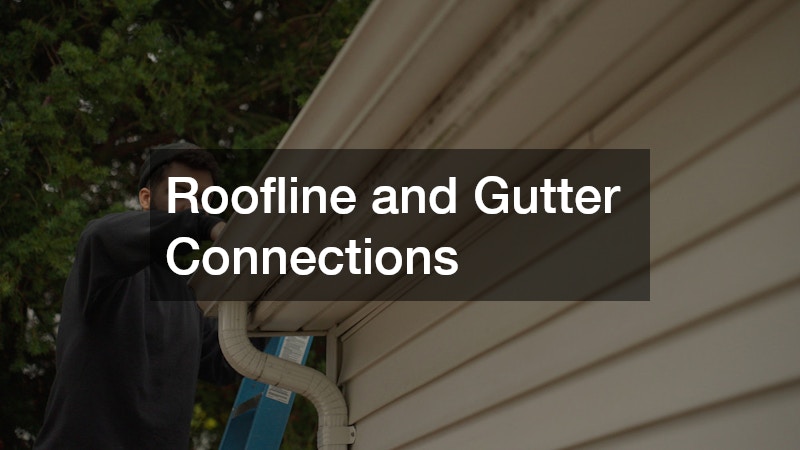
It may seem unrelated, but problems at the roofline can directly contribute to hardscape and foundation issues over time. When gutters overflow or shingles fail, water often dumps in concentrated streams right next to the foundation, saturating the soil in specific spots and accelerating settling nearby. Tile roofers frequently notice this pattern when they are called out for repairs, since damaged flashing or clogged valleys tend to funnel water to the same low points year after year. Keeping the roof and gutter system in good repair is a simple but often overlooked way to protect the ground around your home.
If you notice that cracked pavers or a sinking corner of the patio always seems to line up with a downspout or roof valley, that is a strong clue the water management system needs attention before any hardscape repair is attempted. Fixing the water source first prevents the same damage from recurring within a season or two.
Electrical and Plumbing System Stress
Shifting foundations can put stress on the utility lines running through and beneath a home, and this sometimes shows up before the hardscape damage becomes obvious. Electricians occasionally find that conduit or panel connections have been pulled or strained when a home has settled unevenly, particularly in older properties with rigid wiring runs. Similarly, a water heater that develops leaks or fails prematurely can sometimes be traced back to shifted plumbing lines rather than the unit itself, which is why water heater repair technicians are trained to check for signs of pipe stress during a service call. These professionals are not foundation specialists, but their findings can add useful evidence to the overall picture.
If you are dealing with recurring electrical trips or plumbing leaks alongside cracked pavers or a sinking porch, mention the hardscape issues when scheduling service. A technician who knows the full context can flag patterns that point toward foundation movement rather than treating each problem in isolation.
Preparing Your Property for Inspection
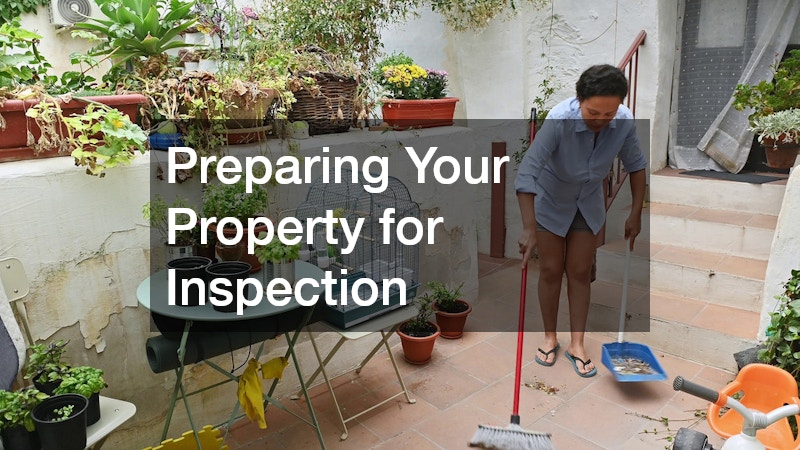
Before scheduling a professional foundation evaluation, it helps to clear the area around any cracked or sinking hardscape so inspectors can get a clean look at the soil and slab conditions. Overgrown landscaping, stacked materials, or old debris can hide important clues like erosion channels or animal burrows that contribute to soil instability. In some cases, arranging a junk pick up ahead of the inspection makes it much easier for a specialist to access foundation corners and crawl space vents without obstruction. A tidy, accessible site also tends to result in a faster, more accurate assessment.
- Remove stored items, firewood, or debris piled against exterior walls
- Trim back shrubs and vines growing close to the foundation
- Clear crawl space and basement access points before the visit
- Take photos of problem areas beforehand in case they change before inspection day
Closing Thoughts
Small hardscape cracks are not automatically a sign of a failing foundation, but patterns like widening gaps, recurring damage, and matching interior symptoms deserve a closer look. Paying attention to drainage, rooflines, and even utility issues can help you piece together whether the problem is isolated or connected to something larger. The safest next step is scheduling a professional foundation inspection as soon as you notice more than one warning sign appearing together. Acting early almost always costs less than waiting until the damage spreads further.