A backyard water feature can transform an ordinary outdoor space into a private retreat, but adding one successfully takes more planning than simply picking out a fountain or pond kit. Homeowners who think through placement, maintenance, and how the feature ties into the rest of their property tend to end up happier with the results. This guide walks through the practical considerations that matter most, from choosing the right type of feature to coordinating the surrounding construction work. By the end, you will have a clearer sense of how to bring water into your outdoor living plan without unexpected headaches.
Defining Your Outdoor Living Goals
Before browsing photos of waterfalls and koi ponds, take a step back and think about how you actually use your yard. Some families want a quiet spot for morning coffee, while others are hosting weekend gatherings and need something that holds up to foot traffic and activity. The size of your lot, the amount of sun exposure, and your household budget all shape which type of water feature makes sense. Writing down your priorities early helps you avoid costly redesigns later.
- Consider how often you entertain versus seeking a quiet retreat
- Think about year-round climate and whether the feature needs winterizing
- Factor in how much ongoing maintenance you are willing to handle
- Decide if the feature should be a focal point or a subtle background element
Selecting the Right Water Feature for Your Space
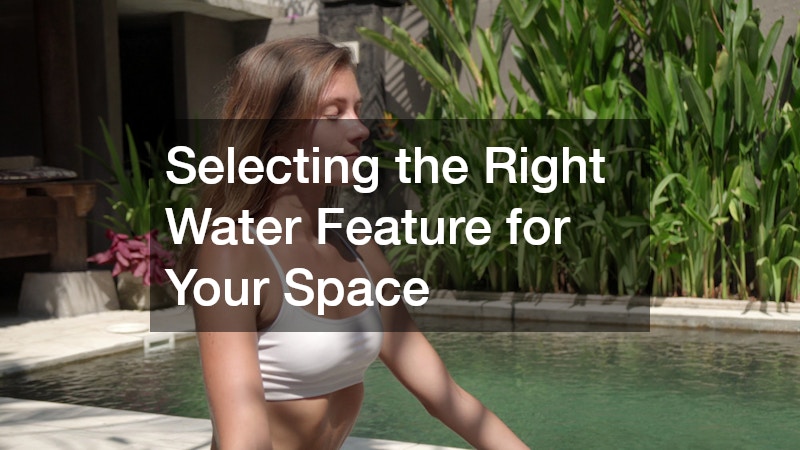
Not every water feature fits every yard, so matching the style to your space is one of the most important early decisions. A small courtyard or side yard with just 20 to 40 square feet to spare might only have room for a wall fountain or a compact bubbling urn, both of which can be mounted or tucked into a corner without disturbing existing landscaping. A larger backyard, on the other hand, could support a pond, a cascading waterfall, or even a combination pool and spa setup that becomes the centerpiece of the whole design.
Before choosing, consider how much square footage you can realistically dedicate, how close the feature will sit to property lines, and whether local codes require fencing or setbacks for anything resembling a pool. Sun exposure matters too: ponds and fountains in full sun may need more frequent algae control, while shaded spots can limit plant choices for a natural-style water garden.
Many homeowners are surprised to learn that a swim spa can serve double duty, offering both recreational swimming against a current and a soothing hot tub experience in one compact unit, often fitting into a footprint as small as 12 by 7 feet. This makes it a practical option for properties where a full pool is not feasible but the homeowner still wants an active water feature. Because a swim spa is self-contained and typically installed above or partially in-ground, it also tends to involve less excavation and a shorter installation timeline than a traditional pool.
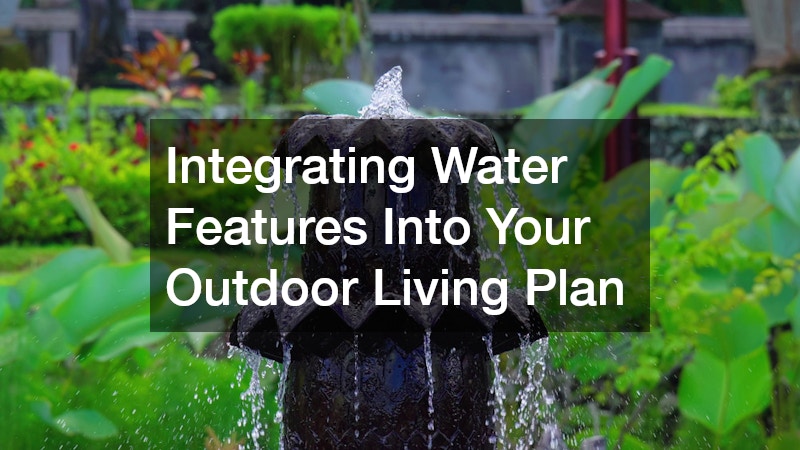
Beyond swim spas, consider ponds with recirculating pumps, tiered fountains, or naturalistic streams that mimic a woodland setting. A backyard pond typically ranges from 100 to 500 square feet and needs a liner, biological filter, and pump sized to turn over the entire water volume every one to two hours. Tiered fountains work well in smaller courtyards or entryways, while streams demand more linear space and a slight grade to keep water moving naturally.
Each option has different depth, filtration, and electrical requirements that affect where it can realistically be placed. Ponds deeper than 18 inches may require fencing in some municipalities, and any submersible pump will need a GFCI-protected outlet within reach, which can mean an added trenching cost if your panel is far from the site.
Take time to walk your property at different times of day to see how sunlight and shade might affect algae growth or evaporation rates. Full sun for more than six hours often accelerates algae blooms, while deep shade from mature trees can drop debris into open water and clog filters. Noting these patterns before installation helps you choose plantings, shade structures, or filtration upgrades that keep maintenance manageable year-round.
Coordinating With the Professionals Who Bring It to Life
A water feature rarely exists in isolation, which is why it pays to think about the full scope of the project before breaking ground. If you are already working with a home builder on a new construction project or major addition, loop them in early so plumbing, drainage, and electrical lines can be planned around the water feature rather than retrofitted later. This kind of coordination prevents situations where a beautiful pond ends up fighting with the home’s existing grading or foundation drainage system.
For existing homes, remodeling contractors who specialize in outdoor living spaces can help integrate a water feature with patios, kitchens, or fire pits already on your property. They can also advise on permitting requirements, since many municipalities have specific rules about standing water, fencing, and setbacks from property lines. Getting these professionals involved during the design phase, rather than after excavation has started, tends to save both time and money.
Preparing Hardscape and Pathways
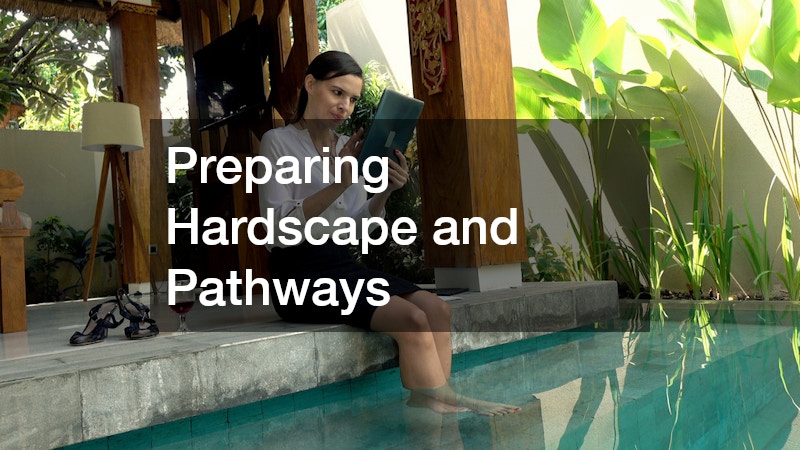
Water features look best when the surrounding hardscape complements them rather than competes for attention. Pathways, patios, and driveways all need to be planned with drainage in mind so runoff from the water feature does not pool near the house or erode nearby plantings. A general rule of thumb is to grade hardscape surfaces away from the home at about a 2% slope, roughly a quarter inch per foot, to keep water moving toward appropriate drainage points.
Material choice matters just as much as slope. Natural stone and textured pavers offer better slip resistance around splash zones than smooth poured concrete, while permeable pavers can help manage overflow by letting water filter through rather than sheet across a surface. Consider also how materials will look alongside the water feature itself; matching or complementary tones between a paver path and a stone fountain create a more cohesive design.
If your project includes updating or expanding paved areas, a concrete driveway contractor can help ensure proper slope and material choices that hold up against moisture exposure over time. They can also advise on control joints and reinforcement to prevent cracking as soil shifts from added moisture nearby. Getting this groundwork right before installing the water feature saves the cost and hassle of tearing up hardscape later.
Materials matter here too. Natural stone, stamped concrete, and permeable pavers each offer different levels of slip resistance and drainage performance, which is especially important near pool decks or pond edges. Textured natural stone like flagstone or travertine tends to stay cooler underfoot and provides reliable traction even when wet, making it a popular choice for pool surrounds. Stamped concrete can mimic these same looks at a lower cost, but it should include an anti-slip additive in the sealer, since smooth sealed finishes become dangerously slick when splashed.
Permeable pavers deserve special consideration around water features because they allow rainfall and splash-out to filter through jointing sand and a gravel base rather than pooling on the surface. This reduces algae growth, minimizes puddling near pond edges, and helps manage runoff during heavy storms. Many municipalities even offer stormwater credits for permeable installations, which can offset some of the added material cost.
Choosing the right combination of materials also helps prevent standing water and reduces the risk of cracking from freeze-thaw cycles in colder climates. A proper base of compacted gravel, typically four to six inches depending on soil type, along with a slight slope of about one-quarter inch per foot away from structures, keeps water moving instead of collecting and refreezing. In regions with harsh winters, joint sand rated for freeze-thaw movement and periodic resealing will extend the lifespan of both stone and concrete surfaces considerably.
Adding Safety Features and Visual Accents
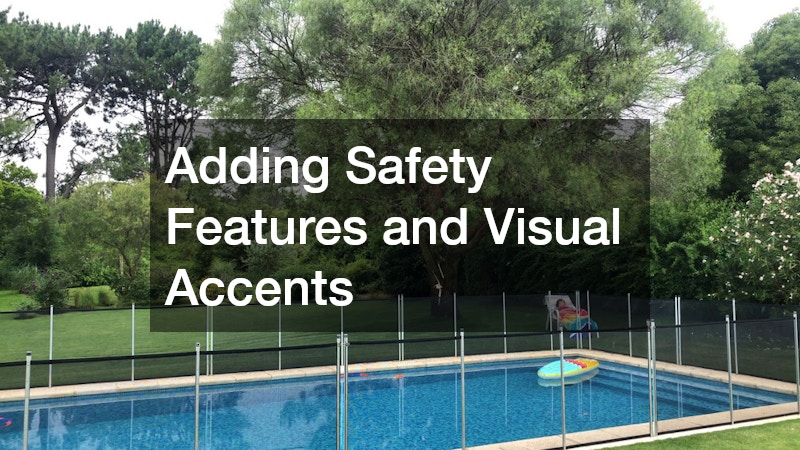
Safety should never be an afterthought when water is involved, particularly if children, pets, or elderly family members regularly use the outdoor space. Elevated ponds, raised decks near water features, or sloped walkways benefiting from added support are all good candidates for a barrier that adds both function and style. Building codes in many areas require guardrails around any elevation change of 30 inches or more, so it’s worth checking local regulations before finalizing your design.
Custom iron railings are a popular choice here because they offer sturdy protection without blocking the view of the water feature itself. Their slim vertical pickets and open sightlines let light and water reflections pass through, unlike solid wood or masonry barriers that can feel heavy and closed off. They also hold up well outdoors when powder-coated or galvanized, resisting rust and weather damage far longer than untreated metal alternatives.
Beyond railings, consider pairing safety upgrades with visual accents that enhance the overall design. Textured, slip-resistant pavers around pool edges or pond perimeters reduce fall risk while adding a decorative border. Low-voltage landscape lighting along walkways or step edges improves nighttime visibility and highlights the water feature after dark, giving the space a polished, cohesive look.
- Railings (36–42 inches high, per most local codes) help define pool or pond boundaries without obstructing sightlines or garden views
- Lighting along pathways and steps, spaced every 6–8 feet, reduces nighttime slip hazards and highlights water features after dark
- Non-slip surfacing near water edges — such as textured stone, rubber decking, or slip-resistant tile — lowers fall risk on wet surfaces
- Gates with self-closing, self-latching hinges add an extra layer of protection for young children and pets
- Consider a four-sided pool enclosure, which safety studies show cuts child drowning risk significantly compared to fencing only part of the yard
- Alarms on gates or water surfaces offer a backup layer of protection when visual supervision isn’t possible
Protecting Your Investment From Pests
Water features naturally attract moisture-loving pests, and wood structures like decks, pergolas, or fencing near the feature can become vulnerable over time. Termites in particular are drawn to damp soil and untreated wood, so it makes sense to address prevention before construction is complete. Standing water, mulch beds, and shaded soil around ponds or fountains create the exact humid microclimate subterranean termites seek out, often within just a few feet of load-bearing structures.
Many homeowners now prefer natural termite control methods, such as beneficial nematodes or borate-based treatments, which reduce chemical exposure near water while still protecting the structural wood elements of the landscape. Nematodes work by targeting termite larvae in the soil, while borate solutions penetrate wood fibers to make them unpalatable to pests without leaching harmful chemicals into nearby water sources.
Beyond initial treatment, simple design choices help long term: maintaining a six-inch gap between soil and wood framing, choosing rot-resistant lumber like cedar or pressure-treated pine, and scheduling annual inspections during spring when termite activity peaks. Combining these preventive habits with natural termite control keeps both your water feature and surrounding structures protected for years to come.
Regular inspection of any wood framing near the water feature is a smart habit to build into your seasonal maintenance routine. Termites and carpenter ants are drawn to the consistent moisture that ponds, waterfalls, and fountains create, especially where wood meets soil or sits close to standing water.
Catching early signs of pest activity, such as small mud tubes, discarded wings, or hollow-sounding wood when tapped, can prevent costly structural repairs down the road. Check deck posts, pergola supports, and any trellis work within a few feet of the water at least twice a year, ideally in spring and fall. If you spot soft or crumbling wood, consider consulting a pest control professional before the damage spreads to adjacent structures.
Keeping Your Home Systems Running Smoothly
A major outdoor project can sometimes place added strain on home systems that homeowners do not immediately associate with landscaping. Digging trenches for water lines or electrical conduit near the house can occasionally disturb existing ductwork or utility connections, so it helps to have a professional check things over before and after major excavation. If your HVAC system starts acting up after construction, scheduling furnace repair promptly can prevent a small issue from turning into a full system replacement, especially heading into colder months.
It is also worth noting that outdoor water features can subtly raise humidity levels near the home, which in some cases affects indoor air handling. Keeping an eye on your system’s performance during the first year after installation helps you catch any changes early.
Don’t Overlook Adjacent Structures
When homeowners focus heavily on the water feature itself, it is easy to neglect the surrounding structures that also contribute to a cohesive outdoor living space. Garages, sheds, and other outbuildings near the project site can experience wear from increased foot traffic, equipment staging, or shifted grading during construction. If you notice your garage door sticking or making unusual noises after a big landscaping project, scheduling garage door repair sooner rather than later keeps the space functional and safe for daily use.
Taking a whole-property view during your planning phase means walking around and noting anything that might be affected by new drainage patterns, equipment access, or added weight from hardscape materials. This proactive approach helps you address small issues before they become bigger, more expensive problems.
Checking Your Roof and Drainage Before You Build
It might seem unrelated, but your roofline and gutter system play a bigger role in outdoor water feature planning than most homeowners expect. Runoff from the roof needs somewhere to go, and if that water ends up draining directly into a new pond or fountain area, it can throw off water chemistry and increase maintenance demands. Before finalizing your layout, it is worth having a local roofer assess your gutter placement and downspout direction to make sure rainwater is routed away from the new feature rather than into it.
This is also a good opportunity to have a roofer check for any existing issues, since major landscaping work sometimes involves ladders, equipment, or debris that can affect roof condition. Addressing roof and drainage concerns at the same time as your water feature project ensures the two systems work together instead of against each other.
Final Thoughts
Integrating a water feature into your outdoor living plan is as much about coordination as it is about design, since every element from hardscape to drainage to home systems plays a role in the final result. Taking time to plan thoughtfully, consult the right professionals, and address maintenance needs upfront will help your water feature stay beautiful and functional for years to come. Start by mapping out your goals and walking your property with a critical eye, then bring in trusted experts to fill in the technical details. With the right preparation, your new water feature can become one of the most enjoyable parts of your home.