

Home improvements enhance comfort, efficiency, and the value of your property. As 2027 approaches, planning these enhancements is crucial. This article outlines ten pivotal renovations to consider for modern living.
1. Hire a Handicap Remodeling Contractor

Benefits of Hiring a Professional
Hiring a handicap remodeling contractor ensures that your home modifications adhere to the highest standards of accessibility. These experts bring comprehensive knowledge of legal requirements and guidelines. Their involvement can significantly enhance the safety and usability of living spaces for individuals with disabilities.
Common Components of a Handicap Remodel
Handicap remodeling often includes the installation of ramps to replace steps, widening doorways, and modifying bathrooms for accessibility. Adjustable countertops and specialized lifts are other features that a professional might suggest. Such adaptations not only improve daily life for residents with mobility challenges but also enhance property value by broadening its market appeal.
2. Improve Home Health With Air Purification
Types of Air Purifiers
Air purification systems vary from HEPA filters to UV and activated carbon purifiers, each catering to different needs. HEPA filters are effective at capturing allergens, while UV purifiers are ideal for destroying bacteria and viruses. Selecting the right system for your home is essential in creating a healthier living environment.
Impact on Allergy and Asthma Sufferers
Purifying indoor air can substantially reduce the incidence of respiratory issues, particularly for allergy and asthma sufferers. With cleaner air, the frequency and severity of allergic reactions are minimized, leading to improved quality of life. Implementing effective air purification can alleviate symptoms and support overall health.
3. Reserach a Home Water Filtration System?
Installing a home water filtration system is a prudent investment for any household concerned with the quality of water it consumes. This system not only enhances taste and smell but also ensures the removal of contaminants and pollutants, providing peace of mind and health benefits to the inhabitants. Let’s delve deeper into the specific advantages of having such a system in place.
Differences Between Various Systems
Home water filtration systems are diverse in their designs and functionalities, accommodating various needs and preferences. The three most prevalent types include reverse osmosis systems, distillation units, and carbon filtration systems.
- Reverse Osmosis Systems: These systems are particularly effective at removing dissolved solids such as salts and ions. They work by forcing water through a semipermeable membrane that acts as a fine filter, capturing pollutants. This method is renowned for delivering highly purified water.
- Distillation Units: Distillation replicates the natural water cycle by heating water to create steam, which is then condensed back into liquid form, leaving impurities behind. This process is adept at eliminating heavy metals, bacteria, and viruses, providing water that is free from most contaminants.
- Carbon Filtration Systems: Utilizing activated carbon, these filters are excellent for removing chlorine and volatile organic compounds, as well as improving the taste and smell of water. Carbon filters are a popular choice for those seeking an eco-friendly and efficient method of purification.
Understanding the differences among these systems enables homeowners to choose the one that best addresses their specific water quality concerns. Whether the priority is removing chemical pollutants, improving taste, or both, there is a system designed to meet those needs.
Installation and Maintenance
One of the primary concerns when considering a home water filtration system is the ease of installation and the required maintenance to ensure ongoing efficacy. Fortunately, installing these systems is generally a straightforward process. Although some handy homeowners choose to tackle the installation themselves, professional oversight is often recommended to guarantee that the system functions correctly and efficiently.
Maintenance is another crucial aspect that should not be overlooked. Regular filter replacements are essential to maintain the purity and quality of the water. Most manufacturers provide guidelines on how frequently these changes should occur, often depending on the specific model and water usage levels. Furthermore, routine checks of the entire system can preemptively identify any potential issues, ensuring that the filtration system has a prolonged lifespan.
Beyond improving water quality, these systems offer the additional benefit of protecting a home’s plumbing infrastructure. By filtering out sediments and other harmful particles, the system helps reduce the risk of pipe corrosion and mineral buildup, which can lead to expensive repairs. With a proper installation and diligent maintenance routine, homeowners can enjoy safe, clean water while simultaneously safeguarding their home’s piping.
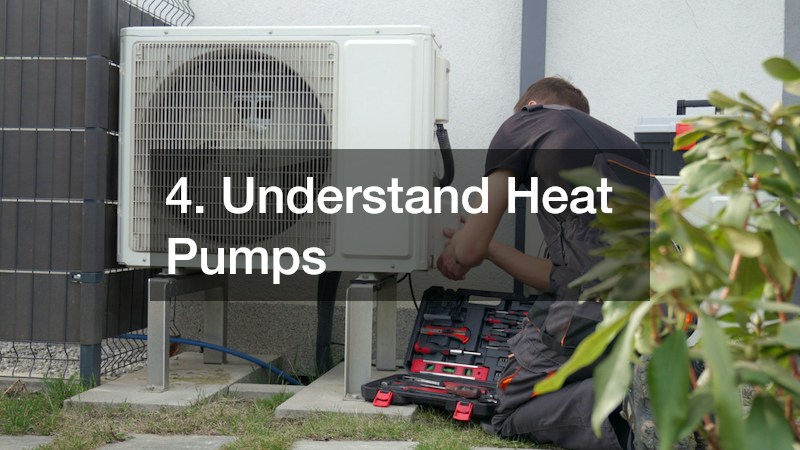
4. Understand Heat Pumps
Energy Efficiency and Cost
Heat pumps offer an energy-efficient alternative to traditional heating and cooling systems by transferring heat between the indoors and outdoors. Their operation can significantly reduce energy bills, providing long-term savings. As technology advances, their efficiency continues to improve, making them a sound investment for future energy needs.
Types of Heat Pumps Available
There are primarily three types of heat pumps: air-source, ground-source (geothermal), and ductless mini-split systems. Air-source heat pumps are widely used due to their affordability and ease of installation. Geothermal systems, although more expensive, are highly efficient and environmentally friendly, offering considerable long-term benefits.
5. Protect Your Home With a Whole House Generator
Types and Fuel Options
Whole house generators are invaluable during power outages, ensuring continuous operation of essential home systems. They come in various types, such as natural gas, propane, and diesel, each with distinct advantages. This reliability is crucial for maintaining home conveniences and safety measures during unforeseen disruptions.
Benefits During Power Outages
Having a whole house generator installed provides peace of mind, knowing your home systems will function uninterrupted in the event of a blackout. These generators not only keep the lights on but also maintain critical systems like heating, cooling, and security. Ensuring that families remain comfortable and safe during emergencies underscores their importance.
6. Approach Crabgrass Control
Differences Between Chemical and Organic Solutions
Crabgrass can be a persistent issue for many homeowners striving to maintain a pristine lawn. The approach to controlling this unwelcome weed often involves choosing between chemical and organic solutions. Chemical treatments, such as pre-emergent herbicides, are widely known for their ability to quickly and effectively prevent crabgrass seeds from germinating. These chemicals create a protective barrier on the soil surface, which disrupts the growth cycle of crabgrass before it becomes a visible problem. For those who seek expediency and have significant crabgrass infestations, chemical treatments can be a compelling choice due to their efficiency and fast-acting nature. However, it’s essential to apply them accurately and follow the manufacturer’s guidelines to avoid damage to desired plants and the surrounding environment.
On the other hand, organic methods offer a more environmentally-friendly approach to crabgrass control, aligning with the growing consumer demand for sustainable gardening practices. Techniques such as mulching and manual removal play significant roles here. Mulching not only suppresses weed growth by blocking sunlight from reaching the weed seeds but also enhances soil health by retaining moisture and adding organic matter as it decomposes. Meanwhile, manual removal, although labor-intensive, provides an immediate and specific solution, allowing homeowners to target crabgrass precisely without affecting nearby plants. Thus, while organic methods generally require more time and effort, they foster a robust ecosystem, contributing to the overall biodiversity of the garden.
The decision between these two methods often hinges on personal preferences and specific lawn needs. Some may prioritize quick solutions to large-scale infestations through chemical treatments, whereas others might choose the cumulative benefits of organic methods, favoring an environmentally sustainable landscape.
Long-term Management Strategies
Implementing successful long-term crabgrass management strategies involves consistent lawn care practices that promote the robustness and health of the desired grass species. Regular aeration, a crucial step in lawn maintenance, alleviates soil compaction, ensuring that water, nutrients, and air can penetrate deeply to the grass roots. This, in turn, fosters healthier grass that is more competitive against crabgrass invasion.
Proper watering practices also play an integral part in long-term management. Overwatering can lead to weed proliferation, while inconsistent watering weakens the grass. Thus, adopting a strategic watering plan—preferably watering deeply but infrequently—encourages deep root growth and enhances the lawn’s resilience against crabgrass. Similarly, mowing practices should not be overlooked. Maintaining the grass at an appropriate height—generally around three inches—helps shade the soil, preventing crabgrass seeds from receiving the sunlight they need to germinate.
Furthermore, incorporating an integrated approach that combines various tactics can yield the best results for a lush and sustainable landscape. By focusing on promoting the health of the grass and routinely monitoring the lawn for early signs of crabgrass, homeowners can reduce their dependency on reactive measures. This synergy of proactive and consistent lawn care ensures that the beauty of the landscape is preserved, enhancing both its aesthetics and ecological balance over time.
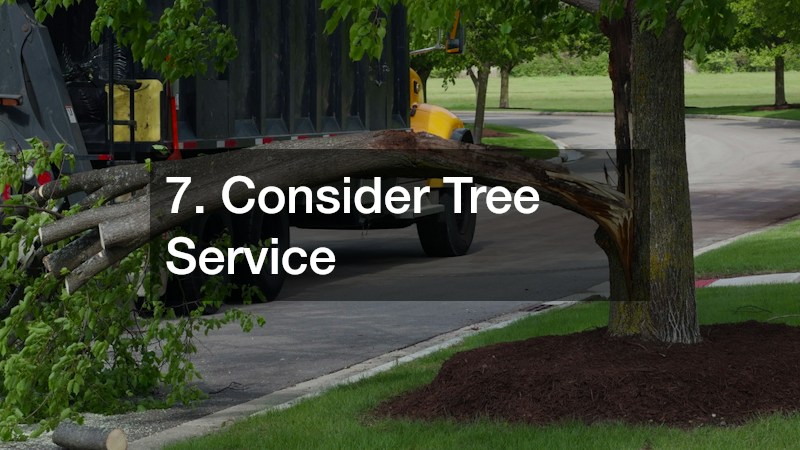
7. Consider Tree Service
Common Signals Your Trees Need Attention
Professional tree services are often necessary when trees display signs of disease, decay, or structural instability. Dead branches, fungal growth, and uneven foliage can indicate underlying health issues. Early intervention is key in preserving tree health and preventing potential property damage.
Types of Tree Services Available
Tree service encompasses a range of offerings, from pruning and trimming to complete removal and stump grinding. Pruning improves tree health by removing dead or diseased branches, while removal is necessary for unsafe trees. Choosing the right service depends on the specific condition and needs of your trees.
8. Know Why Regular Furnace Repair Necessary
Signs Your Furnace Needs Repair
Regular furnace repair services help prevent breakdowns by addressing early warning signs such as unusual noises, fluctuating temperatures, or high energy bills. Annual maintenance checks identify minor issues before they escalate, ensuring consistent performance. A well-maintained furnace extends its lifespan and reduces energy costs.
Benefits of Timely Furnace Maintenance
Timely furnace maintenance reduces the risk of emergency repairs and enhances overall heating efficiency. By scheduling regular inspections, homeowners can avoid unexpected failures and costly replacements. This proactive approach ensures a comfortable home environment throughout the colder months.
9. Enhance Home Efficiency With Water Heaters
Types of Water Heaters
Water heater installers play a critical role in advising homeowners on selecting the most suitable water heating system for their specific needs. The two primary types of water heaters—tank and tankless—each have distinct characteristics. A tankless water heater heats water directly without the use of a storage tank. When a hot water fixture is turned on, cold water travels through a pipe into the unit, which then heats the water using electrical elements or a gas burner. This system can significantly enhance home efficiency because it only heats water on-demand, reducing energy consumption by avoiding the need for a constantly heated reservoir.
In contrast, traditional tank water heaters store a set amount of hot water (typically ranging from 20 to 80 gallons) and keep it heated, ready for use. While this means they consume more energy than their tankless counterparts, they ensure a consistent and immediate supply of hot water as required, which may better serve larger households with high demands for simultaneous hot water use. Understanding these differences allows homeowners to make informed decisions that align with their energy efficiency goals and specific household needs.
Installation Process Explained
The installation process of water heaters is a sophisticated task involving various technical components that require the expertise of professional installers. Proper installation is not just about connecting the new system; it involves securing compliance with local building codes and regulations to ensure safety and legality. Professional installers bring their expertise to handle complex connections such as plumbing, gas lines, or electrical hookups, depending on the type of heater being installed.
They also consider optimal placement of the unit to maximize both performance and energy efficiency. For tankless models, which are space-saving, installers may choose locations that are central to all points of water use to minimize piping length and heat loss. For tank systems, ensuring the unit is seated on a stable and level base and that it has sufficient clearance for maintenance and ventilation is essential. Proper installation is vital not only to enhance the efficiency and reliability of operation over the long-term but also to prevent costly water damage and ensure the system operates at peak efficiency.
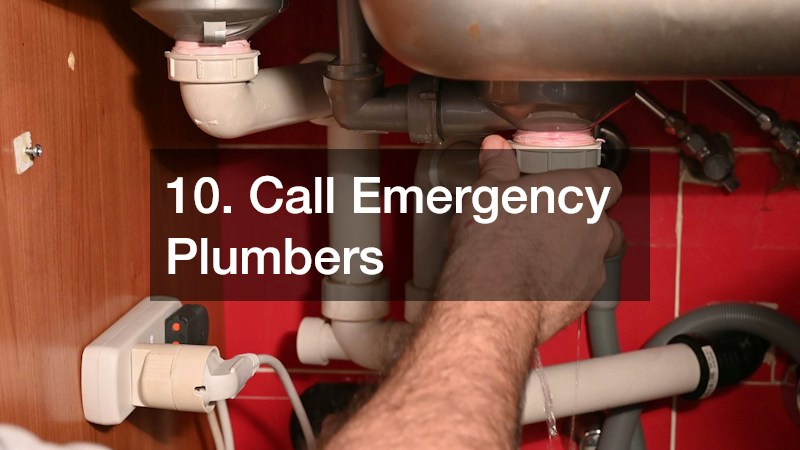
10. Call Emergency Plumbers
Common Plumbing Emergencies
Emergency plumbers are essential allies during plumbing crises like burst pipes, major leaks, and clogged drains. Responding swiftly to such emergencies prevents water damage and costly repairs. Knowing when and how to contact professional help can save homeowners considerable time and resources.
Preventive Measures to Avoid Major Issues
Regular inspections and maintenance from emergency plumbers can avert many plumbing emergencies. Simple preventive measures like monitoring water pressure and cleaning drains can mitigate potential issues. Staying proactive in plumbing care spares homeowners from unforeseen setbacks and expenses.
Proactively scheduling these home improvement projects can save you time, money, and headaches in the long run. Each with its unique benefits, these enhancements prepare your home for the challenges and conveniences of the future. Whether improving energy efficiency or ensuring comfort, careful planning is your ally for a better home in 2027.
