
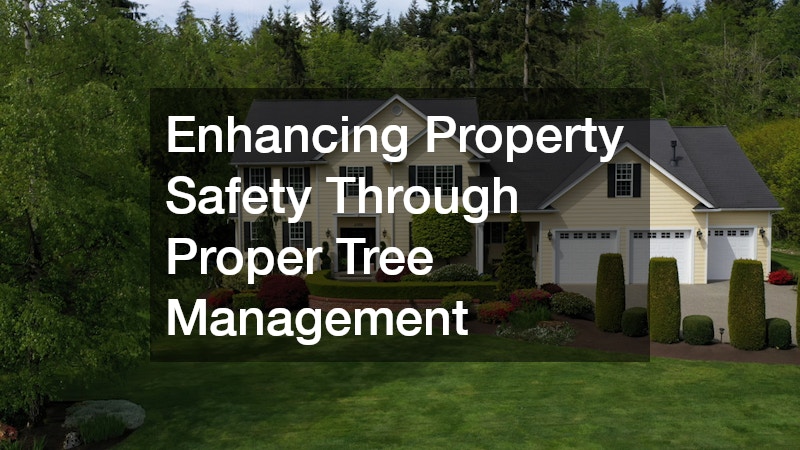
Trees are one of the most valuable features of any property, offering shade, beauty, privacy, and environmental benefits. However, they can also become a serious safety hazard when they are not properly monitored and maintained. Weak branches, unstable trunks, and unmanaged growth patterns can lead to property damage, personal injury, and costly emergency situations.
Many homeowners only think about tree-related risks after a problem occurs, such as storm damage or a fallen limb. By that point, prevention is no longer an option. The key to reducing risk is understanding how trees behave over time and how proactive management practices can prevent dangerous situations before they develop.
This article explores the most important aspects of safe tree management, including how to identify risks early, how to maintain structural stability, and when to take action to protect your home and surrounding property. Each section provides practical, real-world guidance designed to help property owners make informed decisions and reduce long-term hazards.
Understanding Hidden Risks in Yard Trees
Tree-related hazards often develop slowly and go unnoticed until they become serious problems. Even healthy-looking trees can conceal internal decay or structural weaknesses that are not visible from the outside. A tree may appear full, green, and stable, while significant damage is occurring within its trunk or root system. This hidden deterioration is what makes trees especially dangerous when they fail unexpectedly.
Key risk factors include:
- Internal trunk decay that is not visible externally
- Overextended branches that cannot support their own weight
- Root instability caused by soil erosion or compaction
- Disease or pest infestations weakening structural integrity
Each of these issues can progress quietly over time. For example, internal decay often starts from a small wound or old pruning cut and slowly spreads, weakening the entire structure. Similarly, root problems may develop when soil becomes overly compacted from foot traffic, heavy equipment, or poor drainage, limiting oxygen flow and weakening the tree’s foundation.
Weather conditions can also accelerate hidden risks. Strong winds place stress on weak limbs, while heavy rainfall can saturate soil and increase the likelihood of root movement. Freeze-thaw cycles may cause cracks in trunks or branches, making trees more vulnerable over time.
Regular observation is essential. Property owners should look for warning signs such as cracked limbs, peeling bark, fungal growth near the base, leaning trunks, or sudden leaf loss outside of seasonal changes. Additional indicators like hollow sounds when tapping the trunk or visible cavities should never be ignored. However, many internal issues cannot be confirmed without specialized equipment.
Professional evaluation is often necessary when symptoms are unclear or when multiple risk factors appear at once. Certified arborists can perform structural assessments and identify problems that are not visible to the untrained eye, helping prevent unexpected failures.
Maintaining consistent tree care routines can significantly reduce these risks. A structured tree maintenance plan ensures that issues are identified early and addressed before they become hazardous. This includes periodic inspections, selective pruning, soil health monitoring, and timely intervention when problems first appear.
Planning a Safer and More Functional Yard Layout
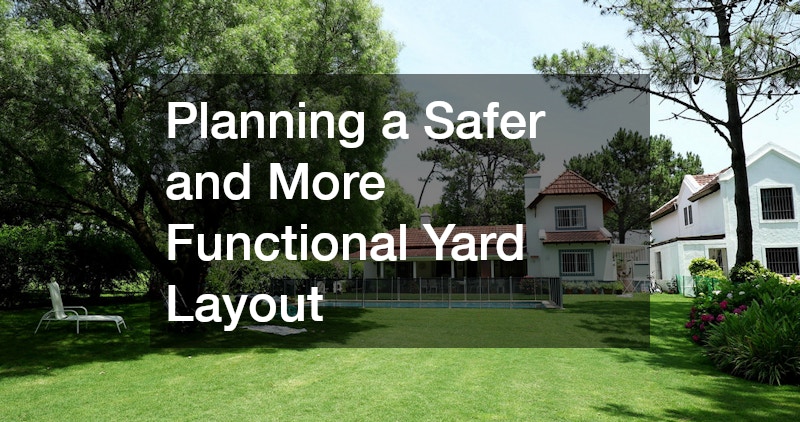
A well-designed yard layout can significantly reduce tree-related hazards while improving usability and comfort. Trees should be positioned with both safety and long-term growth in mind, rather than purely for immediate visual appeal. Thoughtful planning at the beginning of a landscape design project can prevent costly problems in the future, including structural damage, blocked access points, and increased maintenance demands.
Important planning considerations:
- Keep large trees away from roofs and power lines
- Avoid planting too close to driveways or foundations
- Allow sufficient space for canopy expansion
- Consider how shade impacts recreational areas
Beyond these basics, homeowners should also think about how tree placement affects seasonal changes. A tree that provides pleasant summer shade might block valuable sunlight in winter, increasing moisture retention near the home and encouraging moss or mold growth. Similarly, root systems can spread much farther than expected, potentially interfering with underground utilities, irrigation systems, or paved surfaces if not properly accounted for.
A properly designed outdoor living space should balance aesthetics with safety. Trees that are too close to high-traffic areas can drop branches, shed debris, or obstruct movement, creating unnecessary risks for both residents and visitors. Even small branches can become hazards when they fall onto walkways, seating areas, or play spaces, especially during storms or high winds.
Accessibility is another important factor. Pathways should remain clear year-round, and trees should be positioned so they do not interfere with visibility near driveways or entry points. This improves not only safety but also overall property usability.
Routine tree trimming helps maintain clear boundaries between vegetation and living areas. It ensures that trees grow in a controlled manner rather than encroaching on structures or pathways. Consistent maintenance also reduces the likelihood of sudden overgrowth that can require more aggressive intervention later. By combining smart layout planning with ongoing care, property owners can create a safer, more functional, and more visually balanced environment.
Knowing When Professional Intervention Is Necessary
While basic maintenance can be handled by homeowners, certain situations require specialized expertise. Attempting complex tree work without proper equipment, training, or safety procedures can significantly increase the risk of injury, property damage, or even electrical hazards when power lines are involved. Tree work often involves unpredictable weight distribution, hidden decay, and high-risk cutting angles that are difficult to manage without experience.
Situations that require professional help:
- Large trees near structures or utility lines
- Signs of structural instability or splitting trunks
- Heavy overgrowth that restricts visibility or access
- Trees affected by disease or pest infestation
In addition to these common scenarios, professionals are also needed when trees show sudden changes in behavior, such as rapid leaning after storms, large limb drop, or exposed root systems. These signs often indicate deeper structural issues that cannot be safely evaluated without specialized equipment.
A qualified tree trimming company can assess risk levels and recommend appropriate action. These professionals use specialized tools such as aerial lifts, rigging systems, and advanced cutting equipment to manage trees safely and efficiently. Their training allows them to evaluate not just visible symptoms but also underlying structural integrity, helping prevent future failures.
They can also determine whether a tree can be saved through corrective pruning or whether removal is the safest option. This distinction is critical, as unnecessary removal can reduce property value, while delayed action can increase risk.
In many cases, ongoing tree trimming services are necessary to maintain long-term safety. Scheduled maintenance helps control growth patterns, remove weak limbs before they become dangerous, and keep trees structurally balanced over time. Regular professional inspections also help identify early warning signs that homeowners may miss, reducing liability risks and preventing emergency situations.
Preventing Seasonal Damage Through Ongoing Care
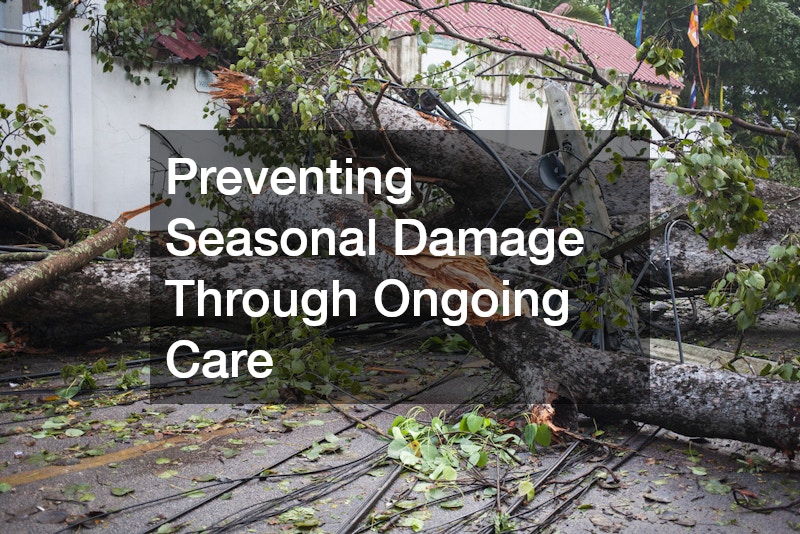
Seasonal changes can place significant stress on trees, especially during storms, heavy snow, freezing temperatures, or extended periods of drought. Each season introduces different environmental challenges that can weaken branches, destabilize root systems, or increase the likelihood of sudden structural failure. Without proactive attention, even mature and well-established trees can become vulnerable under these conditions.
Preventive strategies include:
- Removing weak or dead branches before storm season
- Monitoring soil moisture levels during dry periods
- Inspecting trees after extreme weather events
- Supporting young trees with proper staking and care
Beyond these basic steps, it is also important to adjust care routines based on seasonal cycles. In the fall, trees may require selective thinning to reduce wind resistance before winter storms arrive. During winter, heavy snow accumulation on branches should be monitored closely, as excess weight can cause splitting or breakage. In spring, new growth should be evaluated to ensure branches are developing in a balanced and structurally sound way. Summer often requires closer attention to drought stress, insect activity, and leaf discoloration.
Consistent tree care practices help strengthen overall tree health by encouraging deeper root development and more stable branch structures. Proper watering, mulching, and fertilization all contribute to resilience against seasonal stress. When combined with scheduled tree maintenance, these efforts significantly reduce the risk of sudden structural failure that can damage homes, vehicles, or surrounding property.
Homeowners who take a preventative approach are far less likely to experience emergency tree-related incidents. Regular monitoring also allows small issues to be corrected early, before they escalate into costly or dangerous problems. Over time, this proactive mindset not only improves safety but also extends the lifespan and stability of the entire landscape.
Managing Unsafe or Unstable Trees
In some cases, trees become too unstable to remain on a property. When structural damage or decay is severe, removal may be the only safe option. Leaving a compromised tree in place can create ongoing risks, especially during storms or high winds, where even minor structural weaknesses can lead to sudden collapse. Timely decision-making is critical to preventing property damage or personal injury.
Common reasons for removal include:
- Extensive trunk rot or hollowing
- Severe leaning after storm damage
- Root system failure
- High risk of falling onto structures
Additional concerns may include repeated limb breakage, fungal growth at the base, or large cavities that indicate internal decay. These issues often signal that the tree can no longer support its own weight safely.
Professional tree removal services ensure that trees are taken down safely without damaging surrounding property. These operations require careful planning, controlled cutting techniques, and the use of specialized equipment to manage weight distribution and fall direction. Safety zones are typically established to protect nearby structures, utilities, and landscaping features during the process.
In complex situations involving multiple hazards or large-scale clearing, coordinated tree removals may be necessary to fully secure the area and eliminate risk. This approach ensures that interconnected dangers—such as overlapping canopies or unstable neighboring trees—are addressed systematically, reducing the chance of secondary failures.
Handling Ground Conditions After Tree Removal
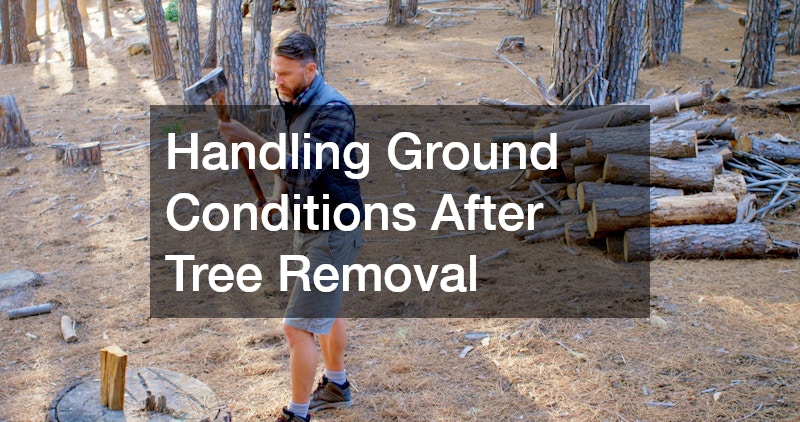
Once a tree has been removed, the remaining stump and root system can still pose safety and usability issues. Decaying roots may attract pests or create uneven ground conditions.
Important post-removal steps:
- Eliminate remaining root structures to prevent regrowth
- Level the ground to avoid tripping hazards
- Prepare soil for future landscaping use
- Assess underground obstacles before new planting
A stump grinding service is often used to completely remove visible remnants and restore ground level consistency. In more complex cases, an excavation company may be required to address deeper root systems or prepare the land for construction or redesign.
Strengthening Long-Term Tree Health
Long-term safety depends on maintaining strong and healthy trees throughout their lifecycle. Neglect can lead to gradual deterioration that increases risk over time.
Best practices for long-term stability:
- Water trees appropriately based on species and season
- Fertilize soil to support root development
- Inspect for disease or insect activity regularly
- Remove competing vegetation around root zones
Consistent tree maintenance ensures that trees remain structurally sound and less prone to failure. Combined with routine tree care, these practices support healthier growth patterns and reduce long-term hazards.
Controlling Overgrowth Near Structures
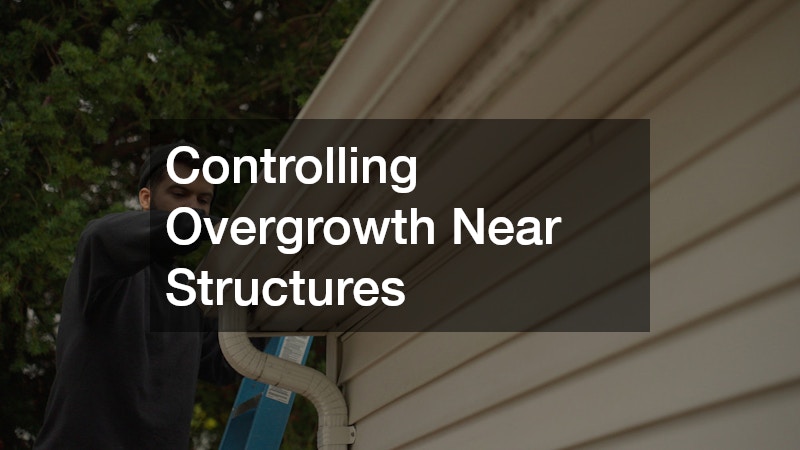
Uncontrolled tree growth can quickly become a safety issue, especially when branches extend over homes, walkways, or utility lines. Regular management is necessary to maintain safe boundaries.
Effective control methods:
- Remove branches that touch roofs or siding
- Keep clear sightlines along driveways and pathways
- Prevent canopy overlap between neighboring trees
- Maintain balanced branch distribution for stability
Routine tree trimming helps manage growth before it becomes problematic. In more complex cases, a professional tree trimming company may be needed to safely handle large or difficult areas.
Responding to Tree Emergencies Safely
Tree emergencies can occur suddenly due to storms, high winds, or structural failure. Quick and safe response is essential to minimize damage and risk.
Emergency response steps:
- Stay clear of fallen or unstable trees
- Avoid contact with downed power lines
- Document damage for insurance purposes
- Contact professionals for immediate assistance
Emergency tree removal services are designed to handle urgent situations where trees pose immediate danger. In cases involving hazardous hanging branches or partial collapses, tree trimming services may be used to stabilize the area before full removal.
Improving Usable Property Space After Tree Work
After trees are removed or heavily managed, new opportunities for property improvement often emerge. Proper cleanup and planning can transform previously unusable areas into functional space.
Ways to improve the area:
- Level and prepare soil for landscaping projects
- Add seating or recreational features
- Improve drainage and soil quality
- Redesign the layout for better accessibility
A stump grinding service ensures that leftover stumps do not interfere with redevelopment. Once cleared, homeowners can expand or create a new outdoor living space that enhances both usability and property value.
Proper tree management is one of the most effective ways to protect a property from avoidable damage and safety hazards. Trees require ongoing attention, from routine inspections to strategic trimming and, when necessary, complete removal. Ignoring early warning signs can lead to costly and dangerous situations that are often preventable.
By taking a proactive approach, property owners can ensure that their trees remain strong, stable, and beneficial for years to come. Regular maintenance, professional support when needed, and thoughtful property planning all work together to create a safer and more enjoyable environment.