
A reliable and efficient home doesn’t happen by accident. It is the result of ongoing attention, small preventative actions, and a clear understanding of how different systems within a house work together. When homeowners focus only on repairs after something breaks, they often end up spending more money, dealing with more disruption, and facing avoidable damage.
A better approach is to think in terms of long-term performance. Every part of a home—from its structure to its utilities—contributes to comfort, safety, and cost efficiency. When one area is neglected, it often places additional strain on others, leading to a chain reaction of issues.
This guide breaks down practical, real-world strategies to help homeowners build a more dependable and efficient living environment. Each section focuses on actionable steps that can reduce risk, improve performance, and extend the lifespan of key home systems.
Strengthening the Home’s First Line of Defense
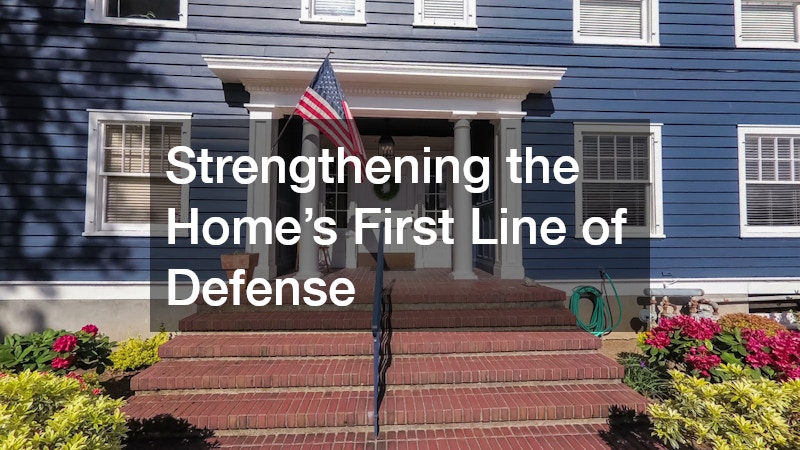
The exterior of a home is constantly exposed to environmental stressors, including moisture, temperature changes, insects, and shifting soil conditions. Over time, these forces gradually weaken building materials, especially in areas where water collects or ventilation is poor. Even small vulnerabilities in siding, roofing edges, or foundation joints can become entry points for pests or moisture intrusion. If these issues are not addressed early, they can compromise structural integrity and lead to expensive repairs that extend far beyond surface-level damage.
One of the most common threats comes from unnoticed infestations. Small signs—such as faint wood damage, tiny droppings, discarded wings, or hollow-sounding beams—can indicate a larger issue developing behind walls or under flooring. Unfortunately, these warning signs are often overlooked until the infestation has already spread. This is where professional local pest control becomes essential. Routine inspections help identify early-stage infestations before they expand into hidden colonies that affect insulation, wiring, and structural framing. Early intervention not only reduces repair costs but also minimizes disruption to the household.
Similarly, one of the most damaging threats to a home’s structure is termites. They often work silently and continuously, feeding on cellulose-based materials and weakening structural supports from the inside out. Because their activity is rarely visible on the surface, homeowners may not realize there is a problem until significant damage has already occurred. Scheduling termite treatment at the first sign of activity—or as a preventative measure in high-risk regions—can protect the foundation, flooring systems, and load-bearing framing of the house. In many cases, prevention is far more cost-effective than remediation after damage has spread.
Environmental factors can also increase vulnerability. Heavy rainfall, humidity fluctuations, and poorly drained soil can all create conditions that attract pests and accelerate wood decay. Homes with shaded foundations or dense landscaping near exterior walls are particularly at risk, as these environments retain moisture longer and provide shelter for insects.
Actionable steps homeowners can take include:
- Inspect wooden structures seasonally for signs of hollowing, cracking, or surface blistering
- Reduce moisture buildup near foundations and crawl spaces by improving drainage
- Seal cracks in siding, trim, and exterior wall joints to block entry points
- Store firewood, mulch, and organic debris away from the home’s perimeter
- Keep gutters and downspouts clean to prevent water pooling near the foundation
- Trim vegetation to increase airflow and reduce pest-friendly environments
- Schedule annual professional inspections for pests and termites to catch early activity
By staying proactive and consistent with exterior maintenance, homeowners can significantly reduce the likelihood of structural damage, improve long-term durability, and maintain a safer, more stable living environment year after year.
Improving Safety and Function of Entry Points
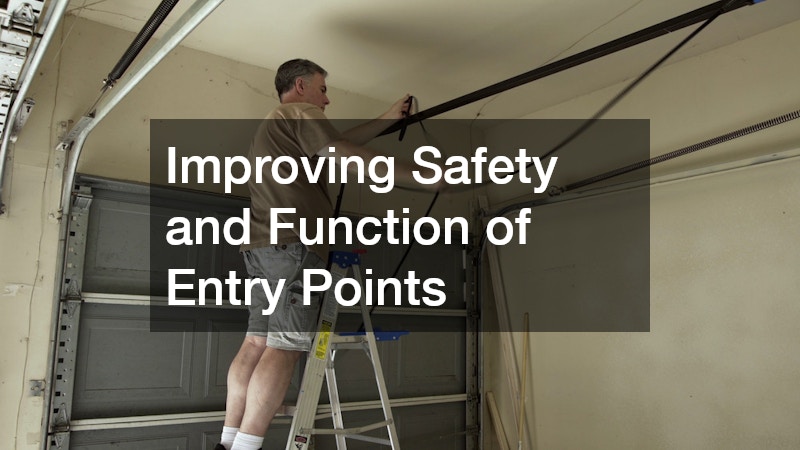
Garage doors are often overlooked, yet they play a critical role in both home security and energy efficiency. A malfunctioning garage door can become a safety hazard, allow air leakage, and even create entry vulnerabilities for intruders. Because it is typically one of the largest moving systems in a home, even minor mechanical issues can have a noticeable impact on daily convenience and overall safety.
Issues such as misaligned tracks, worn springs, deteriorating rollers, and faulty sensors are common over time due to regular use and seasonal temperature shifts. These problems may start small—such as a slight delay in response or uneven movement—but they can escalate quickly if ignored. In some cases, continued use of a damaged system can lead to complete failure or sudden breakage, which poses a serious safety risk. Professional garage door repairs ensure that the system remains properly balanced, securely mounted, and reliably responsive under all operating conditions.
Homeowners should also perform simple monthly checks to catch early warning signs before they develop into larger issues:
- Listen for unusual grinding, squeaking, or scraping noises during operation
- Test automatic reversal systems to confirm proper safety response
- Inspect weather seals along the bottom and sides for cracks, gaps, or brittleness
- Ensure the door opens and closes smoothly without hesitation or uneven movement
- Check remote controls, wall switches, and backup systems for consistent responsiveness
- Observe the door while in motion to detect wobbling or track misalignment
Routine maintenance not only improves safety but also reduces energy loss. A poorly sealed or malfunctioning garage door can allow outside air to enter the home, forcing heating and cooling systems to work harder and increasing overall energy consumption.
Enhancing Exterior Surfaces for Long-Term Protection

Exterior surfaces serve as the home’s protective shell, acting as the first barrier against rain, wind, sunlight, and temperature fluctuations. When these surfaces begin to deteriorate, the effects extend beyond appearance. Peeling paint, cracked finishes, and weakened sealants can allow moisture intrusion, insulation loss, and gradual structural damage. Over time, this can lead to rot in wooden components, corrosion in fasteners, and reduced energy efficiency throughout the home.
Working with a local painting company can help homeowners maintain consistent protection against weather exposure and seasonal wear. Professional painting services go beyond surface aesthetics—they involve proper preparation such as pressure washing, sanding, priming, and sealing, which ensures coatings adhere correctly and last longer. High-quality materials selected for specific climates can also improve resistance to UV damage, humidity, and freezing temperatures. This level of preparation significantly extends the lifespan of exterior surfaces compared to quick DIY applications.
In addition, exterior painters play a key role in preserving long-term curb appeal and structural integrity. Their expertise is especially valuable in addressing areas that are difficult or unsafe for homeowners to reach, such as upper siding, roof trim, eaves, and multi-story facades. These professionals can also identify early warning signs of deterioration, such as hairline cracks or moisture penetration, that may not be obvious at first glance.
Helpful maintenance strategies include:
- Inspecting exterior walls seasonally for cracks, peeling paint, or bubbling surfaces
- Cleaning surfaces annually to remove dirt, algae, and mildew buildup that can degrade finishes
- Repainting every few years depending on climate conditions and sun exposure levels
- Ensuring proper sealing around windows, doors, trim, and other exterior joints
- Addressing water stains, discoloration, or soft spots immediately to prevent deeper damage
- Keeping gutters and roof drainage systems functioning properly to reduce runoff exposure
Consistent exterior care not only prevents long-term deterioration but also helps maintain the home’s energy efficiency by preserving insulation integrity and reducing unwanted air and moisture exchange.
Protecting Plumbing Systems from Costly Failures
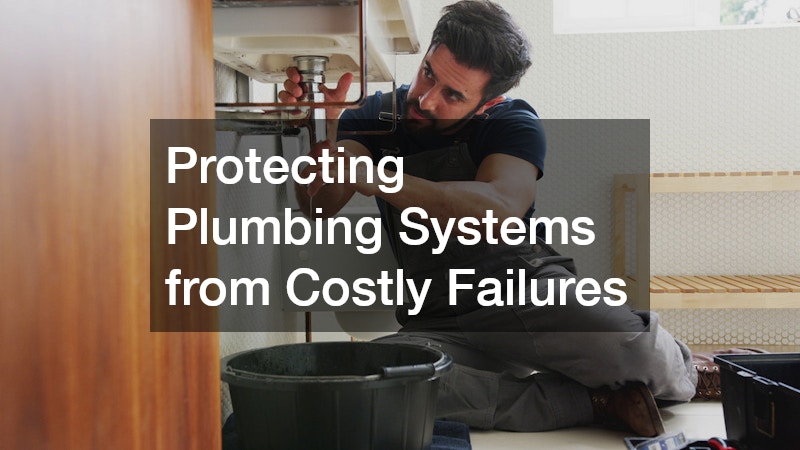
Plumbing systems are one of the most critical yet vulnerable components of a home because they operate continuously behind walls, under floors, and beneath foundations—areas that are rarely seen or monitored closely. Even small leaks, slow drains, or minor blockages can escalate into serious problems over time, leading to water damage, mold growth, weakened structural materials, and costly restoration work. What makes plumbing issues particularly dangerous is how quietly they can develop before becoming visible.
A licensed plumber plays an essential role in identifying issues that are not easily detectable during routine household use. These can include internal pipe corrosion, pressure inconsistencies, partial blockages, and early-stage joint failures. Regular inspections allow these problems to be corrected before they result in pipe bursts or widespread water intrusion. Professional assessment also helps ensure that older plumbing systems continue to meet modern efficiency and safety standards.
One of the most important services in modern home maintenance is leak detection services, which focus specifically on identifying hidden water leaks that occur behind walls, under flooring, or within foundation slabs. These leaks are often undetectable without specialized equipment, yet they can continuously damage insulation, drywall, framing, and even electrical systems. Over time, even a small unnoticed leak can lead to significant structural deterioration and increased utility costs.
Preventive plumbing tips homeowners should follow include:
- Monitor water bills regularly for unexplained increases, which may indicate hidden leaks
- Check under sinks, behind toilets, and around appliances for signs of moisture or corrosion
- Listen for dripping, hissing, or running water sounds when all fixtures are turned off
- Inspect ceilings, walls, and baseboards for discoloration, bubbling paint, or soft spots
- Test water pressure periodically to identify sudden changes or inconsistencies
- Ensure outdoor faucets and hose connections are properly sealed and winterized when needed
- Schedule routine plumbing inspections to catch early-stage issues before they escalate
Taking a proactive approach to plumbing maintenance is one of the most effective ways to protect a home from expensive and disruptive repairs. Early detection and timely intervention not only preserve structural integrity but also help maintain consistent water efficiency and overall household reliability.
Ensuring Reliable Water Quality and Heating Performance
Water systems directly affect daily comfort, appliance performance, and overall health. Poor water quality or inefficient heating systems can increase energy costs and reduce household efficiency.
Water treatment services help improve water quality by removing contaminants, balancing mineral levels, and protecting plumbing infrastructure from buildup. Clean water not only benefits health but also extends the lifespan of appliances.
Equally important is maintaining hot water systems. Water heater repairs should never be delayed, as malfunctioning units can lead to inconsistent temperatures, higher utility bills, and potential safety risks.
Key maintenance actions include:
- Flushing water heaters annually to remove sediment buildup
- Checking temperature settings for efficiency and safety
- Monitoring water clarity and odor changes
- Inspecting tanks for rust or corrosion
- Scheduling routine system evaluations
A well-maintained water system supports both comfort and energy efficiency throughout the home.
Optimizing Indoor Climate and Energy Efficiency
Heating, ventilation, and cooling systems are central to maintaining indoor comfort. When these systems operate inefficiently, they can significantly increase energy consumption and reduce air quality.
Professional HVAC services ensure that systems are cleaned, calibrated, and operating at peak performance. This includes inspecting ductwork, replacing filters, and testing airflow distribution.
Signs that a system may need attention include:
- Uneven temperatures between rooms
- Weak airflow from vents
- Unusual odors when the system runs
- Frequent cycling on and off
- Rising energy bills without increased usage
Routine maintenance improves efficiency and reduces strain on system components, extending the lifespan of expensive equipment.
Creating a Preventive Maintenance Schedule That Works
A reliable home is built on consistency. Instead of waiting for problems to appear, homeowners benefit from creating a structured maintenance schedule that spreads tasks throughout the year.
A strong maintenance plan typically includes:
- Monthly checks for visible issues and safety concerns
- Seasonal inspections for weather-related damage
- Annual professional evaluations of major systems
- Documentation of repairs and service history
Breaking tasks into manageable intervals prevents overwhelm and ensures nothing is overlooked. Coordinating maintenance across systems also helps identify patterns—such as recurring moisture issues or energy inefficiencies—that might otherwise go unnoticed.
Identifying Early Warning Signs Before Problems Escalate
Many major home repairs begin as small, easily overlooked issues. Recognizing early warning signs can prevent costly damage and system failures.
Common indicators include:
- Small but recurring leaks or damp spots
- Sudden changes in energy or water usage
- Unusual noises from appliances or structural areas
- Visible wear around seals, joints, or connections
- Inconsistent system performance
Homeowners should take a proactive approach when multiple minor issues appear at once. Even if each seems insignificant, together they may signal a larger underlying problem requiring attention.
Building a More Dependable and Efficient Home
Creating a reliable and efficient living environment is an ongoing process rather than a one-time project. It requires attention to detail, regular inspections, and a willingness to address small issues before they grow into larger problems.
When homeowners take a proactive approach—maintaining systems, monitoring performance, and scheduling preventative care—they reduce long-term costs and improve everyday comfort. Over time, these habits create a home that is not only more efficient but also more resilient, stable, and easier to manage.