Introduction
A well-maintained outdoor space does more than enhance curb appeal—it directly impacts safety, usability, and long-term property value. From structural upgrades to landscaping improvements, every decision you make contributes to how your property looks and functions over time. Whether you’re planning small upgrades or a full-scale transformation, understanding how different services work together can help you avoid costly mistakes and maximize your investment.
This comprehensive guide walks you through each major aspect of improving your exterior space. You’ll learn how to evaluate your property, prioritize projects, and coordinate multiple services effectively. With the right approach, you can create an outdoor environment that is both beautiful and practical, while ensuring long-term durability and ease of maintenance.
How to Assess Your Property and Create a Strategic Improvement Plan
Before starting any project, it’s essential to understand the current condition of your property and identify opportunities for improvement. A strategic plan helps you stay organized, avoid unnecessary expenses, and ensure all upgrades work together cohesively.
Start with a full property evaluation. Walk through your yard and take note of key elements such as existing vegetation, soil quality, drainage patterns, and hardscape features. Look for signs of erosion, pooling water, or uneven terrain that may require attention.
Working with a landscape designer can provide valuable insight during this phase. They can help you visualize how different elements will come together while ensuring the layout supports both function and aesthetics.
Key steps for planning include:
- Define your goals clearly: Are you focused on entertaining, increasing property value, or reducing maintenance?
- Break projects into phases to manage costs and timelines more effectively
- Identify problem areas such as poor drainage or overcrowded plantings
- Consider how sunlight and shade affect different parts of your yard
- Plan for future growth, especially when adding trees or shrubs
Budgeting is another critical factor. Allocate funds not only for visible upgrades but also for foundational work such as grading or drainage improvements. A well-thought-out plan ensures each step builds toward a cohesive final result.
Maintain Healthy Trees and Prevent Property Damage
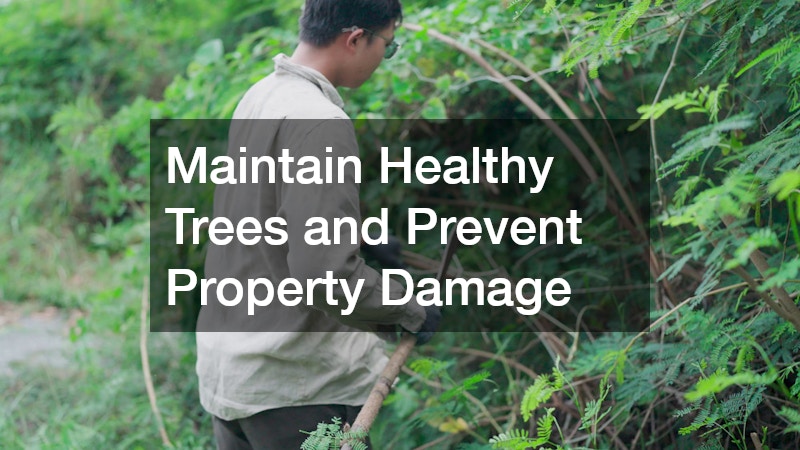
Trees are one of the most valuable features of any property, but they require consistent care to remain safe and attractive. Regular tree trimming is essential for maintaining structural integrity and preventing hazards.
Overgrown branches can pose serious risks, especially during storms or high winds. Limbs that hang over roofs, driveways, or power lines should be addressed promptly to avoid damage or injury.
Benefits of regular trimming include:
- Promoting healthy growth by removing dead or diseased branches
- Improving air circulation and sunlight penetration
- Enhancing the overall appearance of your landscape
- Reducing the likelihood of pest infestations
- Preventing branches from interfering with structures
Timing plays a crucial role in effective maintenance. Different tree species benefit from trimming at specific times of the year, often during dormant seasons when growth is minimal. This reduces stress on the tree and encourages strong regrowth.
Professional services use specialized equipment to ensure precise cuts and safe removal of large branches. Attempting to handle large trees without proper training can lead to accidents or improper pruning, which may harm the tree’s long-term health.
Know When Removal Is the Safest Option
While preserving trees is always ideal, there are situations where removal becomes necessary. Dead, diseased, or structurally compromised trees can pose significant risks to people and property.
Common signs that removal may be needed include:
- Large cracks or splits in the trunk
- Leaning trees with unstable root systems
- Extensive disease or decay
- Significant storm damage
- Roots causing damage to foundations or underground utilities
Tree removal services are equipped to handle these situations safely and efficiently. The process often involves sectioning the tree into manageable pieces, using cranes or rigging systems to control the descent of large branches.
Safety considerations are critical during removal. Professionals assess the surrounding area, including nearby structures and power lines, to determine the safest approach. Permits may also be required depending on local regulations.
After removal, additional steps may include stump grinding, debris cleanup, and preparing the area for future landscaping. Removing a problematic tree not only eliminates hazards but also creates new opportunities for improving your outdoor space.
Prepare Your Property for New Projects and Improvements
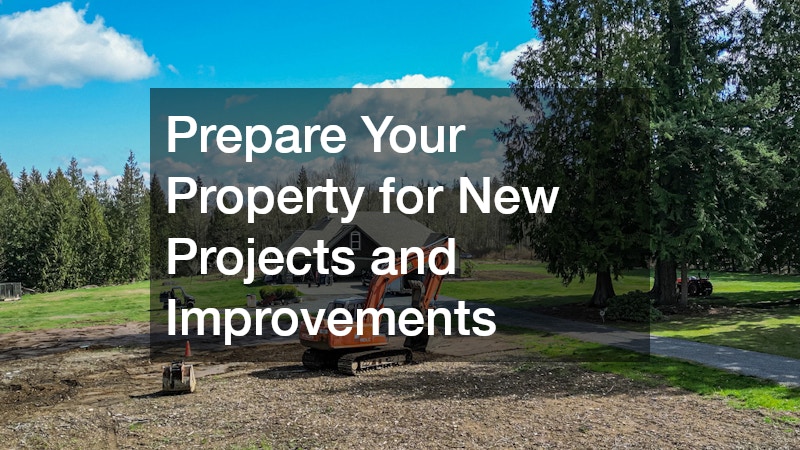
Before installing new features, the property often needs to be properly prepared. This is where lot clearing and the expertise of an excavation company become essential.
Lot clearing involves removing trees, brush, rocks, and other obstacles to create a clean slate for construction or landscaping. This process is especially important for large-scale projects or properties that have been neglected.
An excavation company plays a key role in shaping the land to support new installations. This includes grading the soil, creating level surfaces, and ensuring proper drainage.
Important considerations during this phase include:
- Removing roots and debris to prevent future settling issues
- Grading the land to direct water away from structures
- Compacting soil to create a stable foundation
- Addressing drainage challenges to prevent erosion
- Preparing the site for utilities or irrigation systems
Proper preparation lays the groundwork for long-lasting results. Skipping or rushing this step can lead to uneven surfaces, water damage, or structural problems down the line.
Build Durable and Functional Outdoor Surfaces
Hardscape features such as patios, walkways, and retaining walls add both function and visual appeal to your property. Working with a concrete contractor ensures these elements are built to withstand daily use and environmental conditions.
Concrete is a versatile material that can be customized to suit a wide range of styles. From stamped patterns to colored finishes, it offers both durability and aesthetic flexibility.
Key factors to consider when planning concrete projects include:
- Selecting the right mix and thickness for the intended use
- Ensuring proper subgrade preparation to prevent cracking
- Incorporating expansion joints to accommodate temperature changes
- Choosing finishes that provide slip resistance and visual appeal
- Planning for drainage to avoid water pooling
Professional installation is crucial for achieving long-lasting results. Improperly poured or cured concrete can develop cracks, uneven surfaces, or structural weaknesses.
Maintenance is relatively straightforward but important. Regular cleaning, sealing, and addressing minor cracks early can significantly extend the lifespan of your concrete features.
Upgrade Access and Curb Appeal with a New Driveway
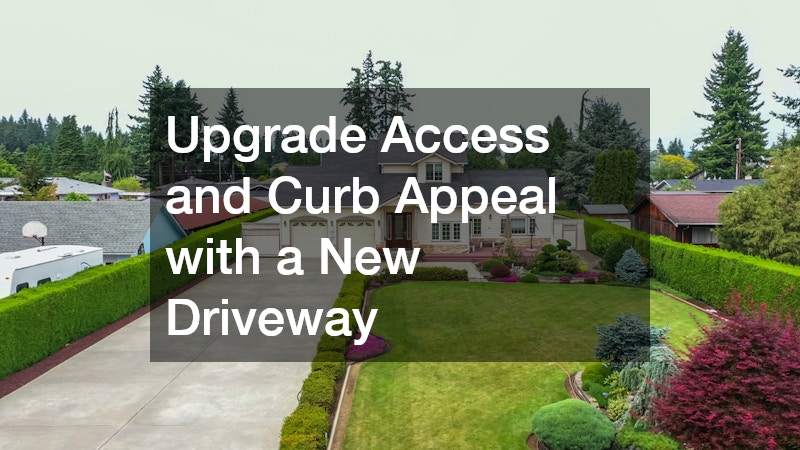
A well-designed driveway enhances both functionality and the overall look of your property. Over time, wear and tear can lead to cracks, potholes, and drainage issues, making replacement or resurfacing necessary.
Driveway paving involves more than just laying down materials. Proper planning ensures the finished surface can handle traffic, weather conditions, and long-term use.
When upgrading your driveway, consider the following:
- Material options such as asphalt, concrete, or pavers
- Thickness and reinforcement to support vehicles
- Slope and grading to direct water away from your home
- Edge restraints to maintain structural integrity
- Aesthetic elements that complement your home’s exterior
The installation process typically includes excavation, base preparation, compaction, and surface application. Each step must be completed carefully to ensure durability.
Routine maintenance helps preserve the surface. Sealing, cleaning, and addressing minor damage early can prevent costly repairs and extend the life of your driveway.
Design an Outdoor Space That Balances Beauty and Function
Creating a visually appealing and functional outdoor space requires thoughtful design. A landscape designer can help you bring your vision to life while ensuring all elements work together harmoniously.
Effective design goes beyond plant selection. It involves organizing your space into distinct zones that serve different purposes, such as relaxation, entertainment, or utility.
Consider incorporating:
- Pathways that guide movement through the yard
- Focal points such as water features or fire pits
- Layered plantings for depth and visual interest
- Outdoor lighting for safety and ambiance
- Seating areas that encourage social interaction
Balancing aesthetics with practicality is key. Choose materials and plants that align with your climate, maintenance preferences, and long-term goals.
A well-designed landscape not only enhances your property’s appearance but also improves usability and enjoyment throughout the year.
Establish a Consistent Lawn Care Routine for Lasting Results
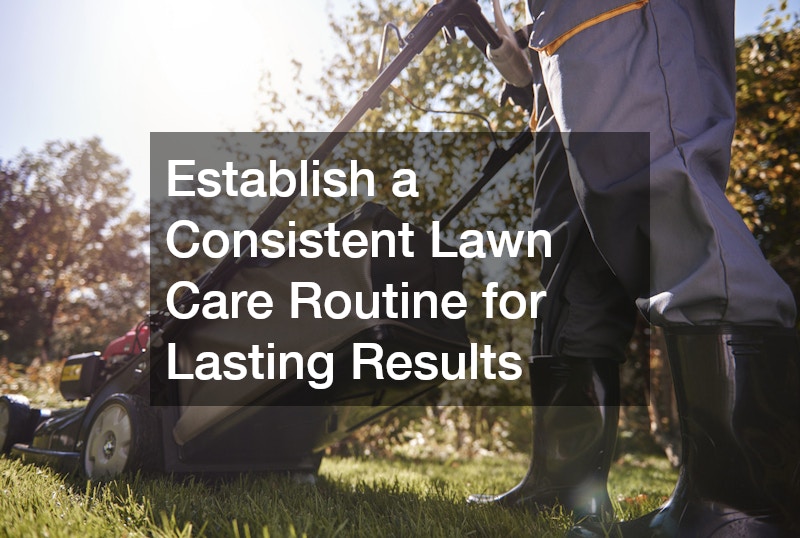
Maintaining a healthy lawn requires ongoing attention and a well-structured routine. Partnering with a lawn care company can help ensure your lawn receives the care it needs throughout the year.
Consistency is essential for achieving and maintaining a lush, green lawn. Regular mowing, watering, and soil management all play a role in overall health.
Key components of an effective routine include:
- Mowing at the correct height to promote strong root growth
- Aerating the soil to improve air and nutrient flow
- Controlling weeds before they spread
- Adjusting care practices based on seasonal changes
- Monitoring for pests and diseases
Professional services often provide customized plans based on your lawn’s specific needs. This ensures optimal results while saving you time and effort.
A well-maintained lawn enhances curb appeal and creates a welcoming outdoor environment for both residents and visitors.
Improve Soil Health and Promote Strong Plant Growth
Healthy soil is the foundation of any successful landscape. Applying the right fertilizer helps provide essential nutrients that support plant growth and resilience.
Understanding your soil’s composition is the first step. Soil testing can reveal nutrient deficiencies, pH imbalances, and other factors that affect plant health.
When using fertilizer, keep these tips in mind:
- Choose formulations tailored to your grass or plants
- Apply at the appropriate times for maximum effectiveness
- Follow recommended application rates to avoid overuse
- Water properly to help nutrients penetrate the soil
- Consider organic options for environmentally friendly solutions
Over-fertilization can lead to runoff and environmental issues, so it’s important to use products responsibly. Proper application supports vibrant growth while maintaining ecological balance.
Healthy soil not only improves the appearance of your landscape but also enhances its ability to withstand stress from weather and pests.
Install Efficient Watering Systems to Protect Your Landscape
Consistent watering is essential for maintaining healthy plants and lawns, especially during dry periods. Installing an irrigation system ensures your landscape receives the right amount of water at the right time.
Modern systems offer a range of options, from traditional sprinklers to advanced smart controllers that adjust based on weather conditions.
Benefits of a well-designed system include:
- Even water distribution across your property
- Reduced water waste through efficient scheduling
- Improved plant health and growth
- Convenience and time savings
- Adaptability to seasonal changes
Designing an effective system requires careful planning. Factors such as soil type, plant needs, and property layout all influence how water should be distributed.
Regular maintenance, including checking for leaks and adjusting settings, ensures the system continues to operate efficiently over time.
Coordinate Multiple Outdoor Projects for Efficiency and Cost Savings
Managing multiple projects simultaneously can be challenging, but proper coordination can lead to significant time and cost savings. Working with an excavation company alongside a concrete contractor allows you to streamline processes and avoid redundant work.
For example, site preparation for hardscaping can be completed during the same phase as grading and drainage improvements. This reduces the need for repeated equipment use and minimizes disruptions.
Tips for effective coordination include:
- Scheduling projects in a logical sequence
- Communicating clearly with all contractors involved
- Ensuring materials are available when needed
- Monitoring progress to address issues early
- Aligning design plans across all services
Combining efforts not only improves efficiency but also ensures a more cohesive final result. Each element of your project will integrate seamlessly, enhancing both functionality and appearance.
Maintain and Protect Your Outdoor Investment Year-Round
Once your improvements are complete, ongoing maintenance is essential to preserve their value and performance. Regular care ensures your property remains safe, attractive, and functional.
Seasonal maintenance tasks include:
- Inspecting trees and scheduling tree trimming as needed
- Continuing routine services with a lawn care company
- Cleaning and sealing hard surfaces
- Checking drainage systems and addressing any issues
- Preparing your landscape for seasonal weather changes
Preventative care is key to avoiding costly repairs. Addressing minor issues early can extend the lifespan of your upgrades and maintain their appearance.
Keeping detailed records of maintenance activities, warranties, and service schedules can also help you stay organized and proactive in managing your property.
Conclusion
Improving your outdoor space is a rewarding investment that enhances both your lifestyle and your property’s value. By taking a strategic approach, prioritizing quality workmanship, and maintaining your upgrades over time, you can create a space that remains functional and visually appealing for years to come.
From planning and preparation to installation and ongoing care, each step plays a critical role in achieving lasting results. With the right combination of professional expertise and thoughtful decision-making, your outdoor environment can become a true extension of your home.