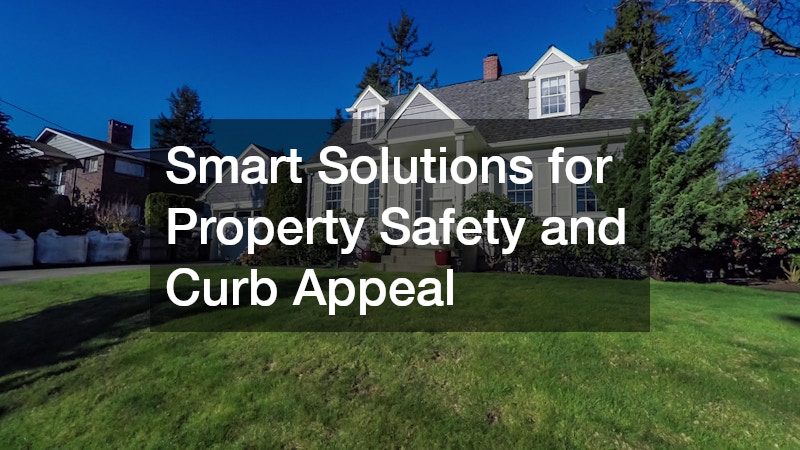
A well-maintained property is about more than just appearances—it reflects the safety, functionality, and long-term value. A property that is thoughtfully designed and carefully cared for can prevent future accidents, reduce maintenance costs, and create an environment that is both inviting and practical. From residential backyards to commercial lots, every property comes with its own unique set of challenges. Uneven terrain, overgrown vegetation, and aging infrastructure can pose risks to residents, visitors, or employees if left unchecked. Meanwhile, an unattractive or cluttered landscape can reduce curb appeal, potentially affecting property value or the perception of a business.
Balancing these priorities requires a strategic approach that considers both aesthetics and safety. For example, a property that is visually stunning but difficult to navigate may lead to trip hazards or structural stress, while a completely safe property that lacks design cohesion can feel unwelcoming. The key is integrating functional improvements with design enhancements that complement the property’s natural and built features.
In this comprehensive guide, we will explore practical strategies for transforming your property into a safe, beautiful, and functional space. You’ll learn how to assess risks, manage vegetation, respond to emergencies, enhance structural integrity, and incorporate modern landscaping solutions. Whether you’re a homeowner seeking peace of mind or a business owner aiming to create a professional impression, these tips will help you protect your investment, improve usability, and elevate your property’s overall appeal.
Assessing Property Risks and Hazards
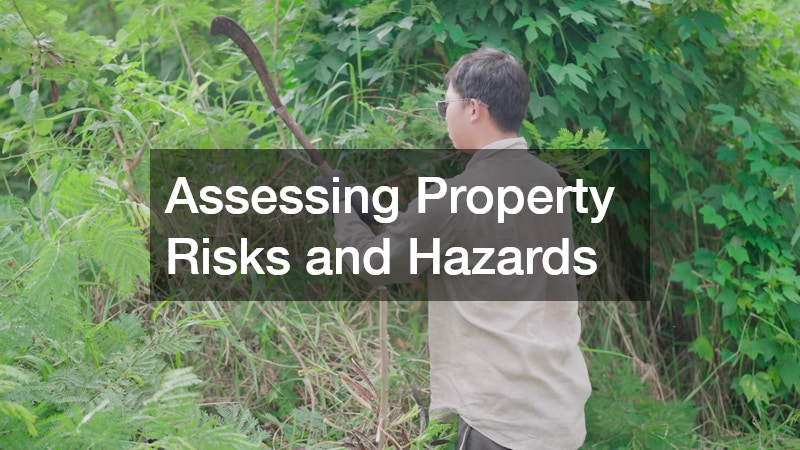
Before implementing improvements, it’s essential to identify potential risks that could threaten safety. A thorough property assessment helps prioritize tasks and allocate resources efficiently.
Identifying Vulnerable Areas
Walk through your property carefully, noting uneven terrain, overgrown vegetation, and any structures that may be deteriorating. Pay attention to the areas that are often overlooked, like side yards, fences, and storage zones. Identifying these areas allows you to address hazards before they become costly problems.
Seasonal Considerations
Different seasons bring unique challenges, such as falling branches during storms, heavy snow accumulation, or slippery surfaces in winter. Planning for these variations ensures that your property remains safe year-round. Seasonal checks also provide an opportunity to spot new hazards before they escalate.
Evaluating Trees and Vegetation
Trees and shrubs enhance property beauty, but they also pose risks if neglected. Professional tree inspections can identify weak limbs, disease, or pest infestations. Preventive maintenance minimizes hazards and can even extend the life of your trees.
Risk Prioritization
Not every hazard requires immediate action. Prioritize interventions based on severity, likelihood of occurrence, and impact. This approach ensures that limited time and budget resources are used most effectively to protect safety and property value.
Enhancing Landscape Structure
A structured landscape contributes to both curb appeal and functional safety. Proper planning and design reduce maintenance challenges and prevent hazards from happening.
Grading and Drainage Solutions
Land grading service can significantly reduce water pooling and erosion, preventing slippery surfaces and structural damage. Correctly graded land ensures that rainwater flows away from buildings and walkways, preserving both safety and landscape integrity. Proper drainage also reduces pest problems and soil instability, which can affect plant health.
Defining Pathways
Clearly marked pathways and driveways improve accessibility and reduce the risk of accidents. Adding edging, tactile markers, or subtle lighting can further enhance both safety and aesthetics. Pathways should be wide enough to accommodate foot traffic and provide smooth surfaces for strollers or wheelchairs.
Elevation and Terrain Management
Managing slopes and elevation changes prevents soil movement and minimizes trip hazards. Terraces, retaining walls, and gentle slopes improve usability and can add a visually appealing dimension to your property. This is especially important for commercial properties with high traffic or mixed-use spaces.
Integrating Functional Zones
Designate areas for recreation, planting, or storage to maintain a tidy and organized landscape. Functional zoning reduces clutter, streamlines maintenance, and allows each area to serve its intended purpose without interfering with safety or aesthetics.
Tree Maintenance and Health
Healthy trees are both beautiful and safe. Neglecting tree care can lead to accidents, property damage, or costly emergency interventions.
Routine Trimming
A professional tree trimming service ensures that branches do not obstruct pathways, roofs, or power lines. Regular trimming also encourages healthy growth and maintains the shape and aesthetic appeal of your trees. Proper trimming techniques reduce stress on trees, preventing splits or decay.
Scheduled Inspections
Arborist services can identify weak branches, disease, or pest infestations before they escalate. Regular inspections are crucial for high-value, heritage, or mature trees that may present safety risks if left unchecked.
Strategic Planting
Selecting the right tree species for your property layout minimizes hazards. Trees that grow too close to structures, driveways, or sidewalks should either be avoided or maintained rigorously. Proper planning ensures long-term health and reduces interference with utilities or buildings.
Seasonal Care
Trees require specific care depending on the season—from pruning during winter dormancy to watering and fertilization in dry months. Tailoring care to seasonal needs enhances resilience and ensures your trees continue to provide beauty, shade, and safety.
Managing Emergency Situations
Unexpected events such as storms, high winds, or structural failures require swift action. Having a plan in place ensures both safety and rapid recovery.
Emergency Tree Services
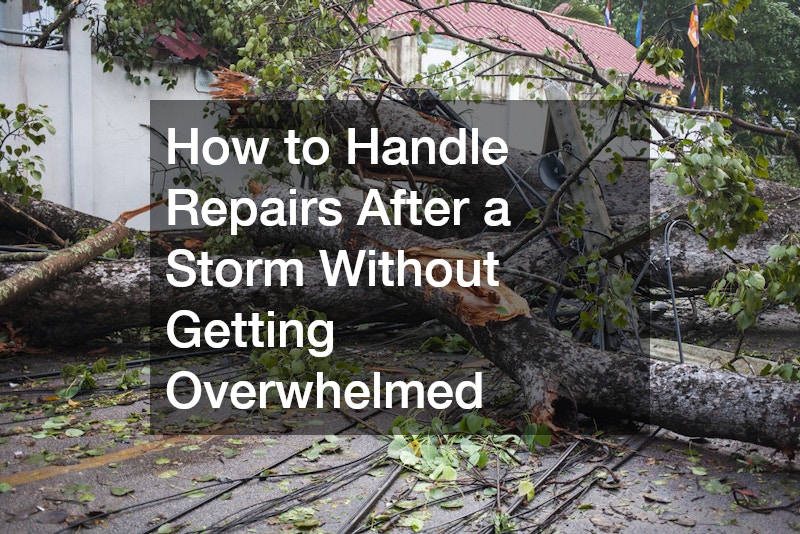
Storms can cause dangerous branches or fallen trees. Emergency tree services provide fast response to clear debris and prevent injury or property damage. Quick response also minimizes disruption to business operations or daily activities.
Safety Protocols
Establish safety protocols, including designated evacuation routes, hazard zones, and clear communication channels. Signage, barriers, and staff training help reduce risk during emergencies.
Insurance and Documentation
Maintaining accurate records of property features and emergency interventions helps streamline insurance claims and ensures that repairs or replacements are properly documented. Photos, invoices, and professional assessments are essential for insurance purposes.
Professional Partnerships
Working with trusted commercial tree companies and landscapers ensures that emergency situations are handled efficiently by trained professionals. Their expertise reduces response time and enhances safety outcomes.
Optimizing Property Accessibility
Safe and accessible entryways improve convenience while reducing liability risks. Thoughtful design accommodates all users and enhances overall appeal.
Driveways and Walkways
Well-maintained driveways and walkways reduce tripping hazards. Paving, resurfacing, and regular inspections keep these areas safe and inviting. Consider slip-resistant coatings for areas exposed to rain or ice.
Parking and Traffic Flow
Commercial properties benefit from clearly marked parking spaces and directional signage to prevent accidents. Adequate lighting and reflective markings further increase safety during nighttime hours.
Barrier and Guardrail Placement
Barriers or guardrails along steep slopes, water features, or drop-offs prevent accidents and guide visitors safely through the property. These safety features can also be designed to enhance visual appeal.
Accessibility Compliance
Ensuring compliance with accessibility standards, such as ramps and smooth surfaces, accommodates all users and reflects a commitment to safety and inclusivity. Consider tactile paving and wide walkways for optimal accessibility.
Property Aesthetics and Visual Appeal
A visually appealing property attracts attention and can increase property value, all while complementing functional safety measures.
Thoughtful Plant Selection
Choosing plants with manageable growth habits reduces maintenance risks and enhances beauty. Native plants are ideal, requiring less water and care while complementing the local environment. Mix textures, heights, and seasonal blooms to create a dynamic appearance.
Incorporating Hardscaping
Adding elements like patios, retaining walls, decorative paths, or stone features creates structure and reduces overgrown or hazardous areas. Hardscaping also adds a sense of permanence and professionalism to your property.
Seasonal Landscaping
Rotating seasonal plantings and decorations keeps your property vibrant year-round. Seasonal maintenance encourages property owners to regularly inspect grounds, catching hazards early.
Lighting Design
Well-placed outdoor lighting highlights key features, improves navigation, and deters unwanted activity. Consider solar lights or LED fixtures along pathways, entrances, and focal points to improve safety and aesthetics simultaneously.
Tree Removal and Replacement
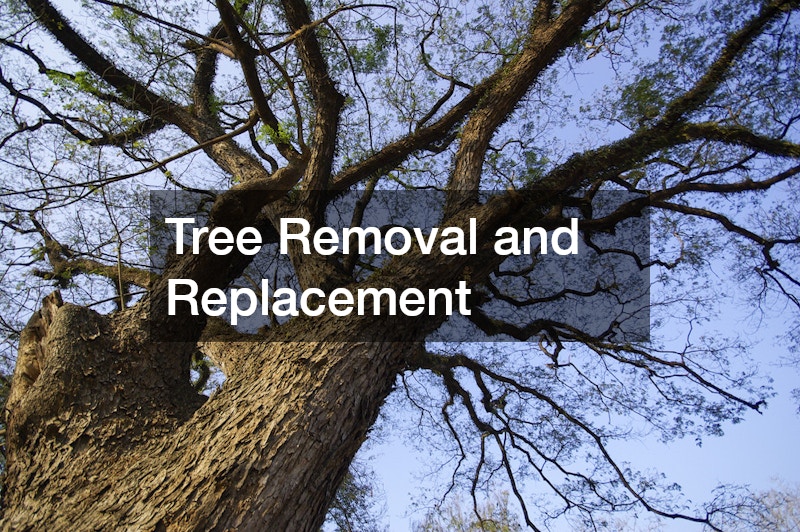
Sometimes tree care isn’t enough, and removal becomes necessary to ensure safety or maintain aesthetic balance.
Professional Tree Removal
Certified arborist services provide safe and efficient tree removal, minimizing the risk of property damage. Professionals assess the impact and method to ensure the process is handled correctly, whether using cranes or specialty rigging.
Strategic Replacement
Replacing removed trees with suitable alternatives maintains landscape balance and property value. Selection should consider size, growth rate, and compatibility with surrounding features.
Hazard Mitigation
Removing dead, diseased, or structurally compromised trees prevents hazards such as falling limbs, fire risks, or damage to structures, protecting both people and property.
Compliance and Permits
Many areas require permits for tree removal, particularly for large or protected species. Working with professionals ensures legal compliance and proper documentation.
Enhancing Commercial Properties
Commercial landscapes require special attention to safety, functionality, and aesthetic appeal to accommodate visitors, employees, and business operations.
Hiring Commercial Tree Companies
Keep your property safe, healthy, and beautiful with professional tree services. From trimming and pruning to emergency care, our experts ensure your trees thrive while protecting your home or business.
Routine Tree Care
Regular tree care on commercial properties ensures a healthy and attractive environment, creating a professional and welcoming impression for clients and staff.
Liability Reduction
Proactive maintenance, including trimming overhanging branches or addressing diseased trees, reduces accidents and potential legal claims.
Visual Branding Through Landscaping
Strategic landscaping enhances brand image and creates a memorable first impression. Well-maintained grounds reflect the business’s commitment to quality and attention to detail.
Land Preparation and Structural Integrity
Proper land preparation forms the foundation for both safety and aesthetics, making future maintenance easier and more effective. Ensuring that your land is properly cleared, leveled, and stabilized can save time and money while creating a safe and visually appealing environment.
Land Clearing Services
Before any grading or landscaping can begin, land clearing services remove unwanted vegetation, debris, or obstacles that could interfere with construction or landscaping projects. Professional land clearing services ensures that the ground is safe to work on, prevents hidden hazards, and prepares the property for planting, paving, or other improvements. Clearing the land properly also minimizes the risk of pests, improves drainage, and establishes a clean canvas for future design enhancements.
Land Grading Service
Land grading services create level surfaces, improving drainage and preventing erosion or water damage. Proper grading supports structural stability and reduces trip hazards, making pathways, patios, and other installations safer and more functional.
Soil Management
Healthy soil ensures that plants grow robustly and reduces the need for frequent interventions. Nutrient-rich soil prevents destabilization that could compromise safety or curb appeal, supporting long-term landscape health.
Erosion Prevention
Techniques such as terracing, retaining walls, and groundcover planting minimize soil loss and maintain landscape integrity over time. Implementing erosion control early in your project protects both the property and any new landscaping investments.
Long-Term Planning
Investing in land preparation early on simplifies future projects, from landscaping enhancements to installations, saving time, money, and reducing safety risks. Proper planning ensures the property remains safe, beautiful, and low-maintenance for years to come.
Artificial Grass and Low-Maintenance Solutions
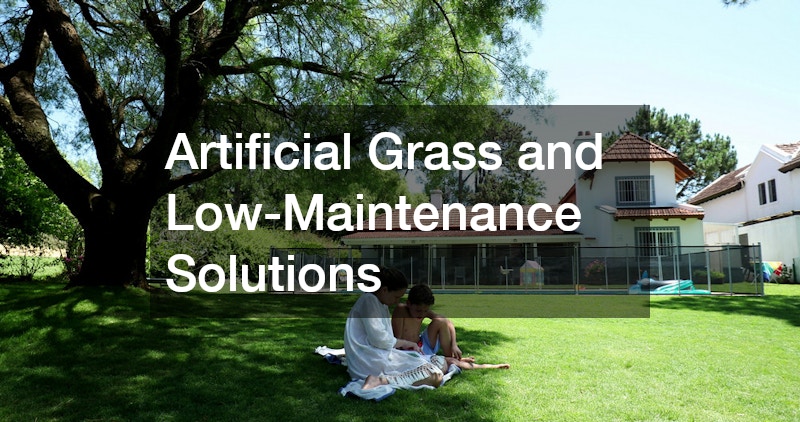
Integrating modern solutions like artificial grass can improve aesthetics while reducing ongoing maintenance, particularly in challenging areas.
Benefits of Artificial Grass Installations
Artificial grass installations provides a clean, visually appealing surface without the need for mowing, watering, or fertilizing. This reduces upkeep while maintaining a pristine look year-round.
Safety Considerations
High-quality artificial turf provides slip resistance, cushioning, and drainage benefits, enhancing safety for families, pets, and commercial spaces.
Cost Efficiency
Though initial installation can be significant, artificial grass reduces long-term maintenance costs and water usage, making it an economically sound option.
Integrating With Landscaping
Artificial grass can be combined with natural landscaping elements to create visually striking designs while minimizing maintenance challenges in high-traffic areas.
Creating a property that is both safe and visually appealing is a process that requires ongoing attention, planning, and a willingness to invest in professional guidance when needed. Safety and aesthetics are not mutually exclusive; in fact, when thoughtfully integrated, they complement each other, resulting in a property that is not only secure but also inviting and well-organized.
Proactive maintenance, from evaluating potential hazards to implementing structural improvements, reduces the likelihood of accidents and costly emergency interventions. Thoughtful landscaping, combined with carefully planned pathways, lighting, and functional outdoor spaces, creates an environment that enhances both the experience of those who visit and the overall value of the property.
Additionally, modern solutions, such as low-maintenance landscaping elements or artificial installations, allow property owners to maintain a pristine appearance without excessive effort, while still meeting safety and accessibility standards. Commercial properties particularly benefit from this approach, as first impressions are critical, and well-maintained grounds communicate professionalism and care.
Ultimately, the goal is to create a property that serves its occupants safely, minimizes risk, and maximizes visual appeal. By taking a strategic approach, integrating expert guidance, and committing to ongoing maintenance, property owners can enjoy peace of mind, attract positive attention, and maintain a space that is both functional and beautiful. Implementing these smart solutions ensures your property remains safe, attractive, and welcoming for years to come, creating a lasting impression that combines functionality, beauty, and security seamlessly.