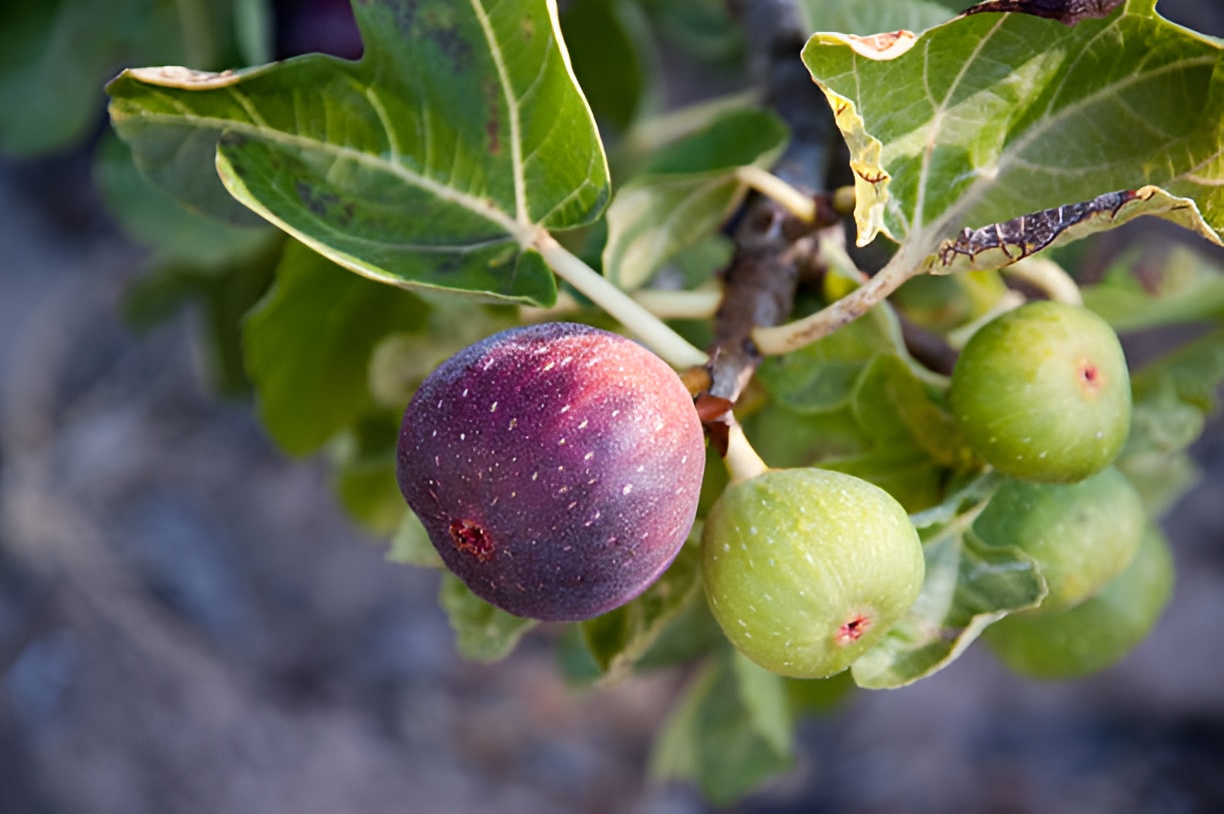
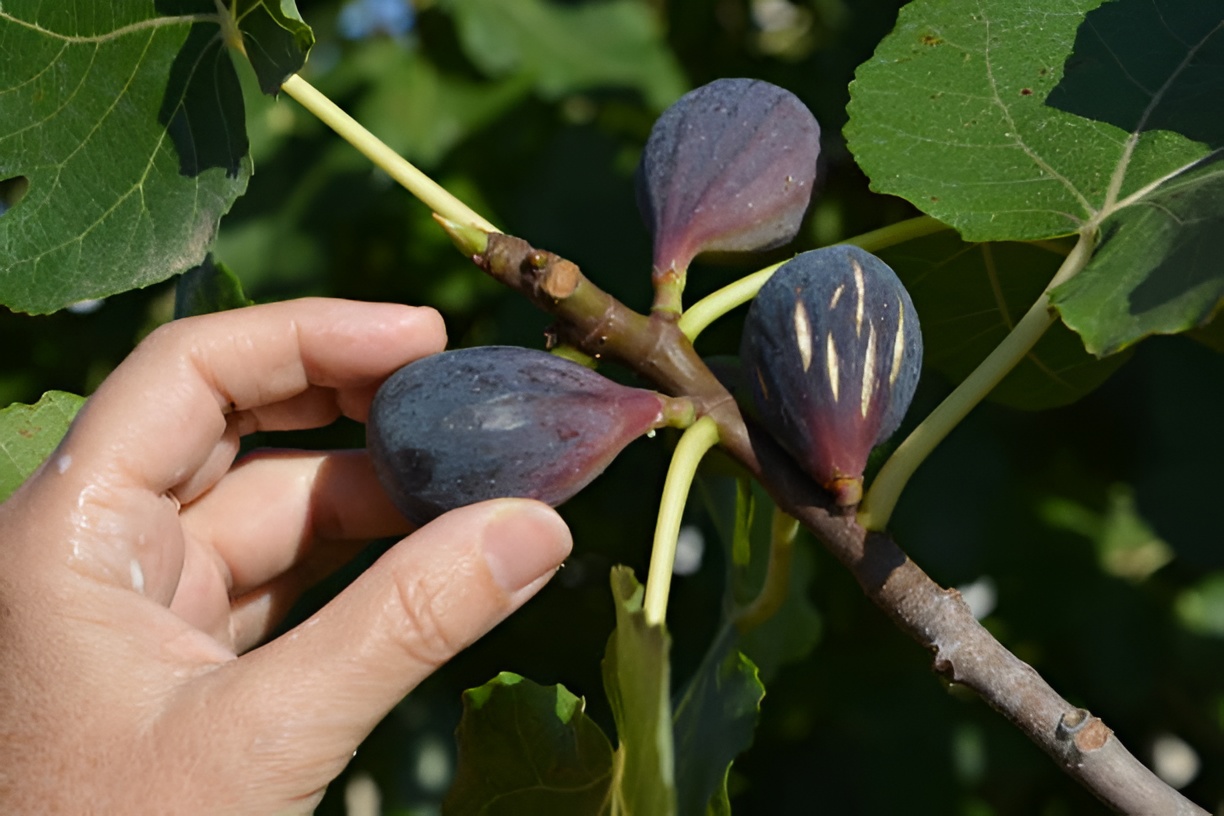
- Fig season varies by variety, climate, tree age, and weather, so timing can differ each year.
- Most fig trees produce one main crop in late summer to fall, with some also producing a smaller early summer crop.
- Signs of ripeness include softness, color change, drooping fruit, and flexible stems.
- Harvest carefully and frequently to avoid damaging the tree or overripe fruit.
- Fresh figs are highly perishable but can be refrigerated, frozen, or dried for longer storage.
- Figs can be enjoyed fresh, baked, in salads, roasted, or made into preserves.
- Planning your gardening tasks—pruning, fertilizing, and pest management—around fig season maximizes yield and tree health.
Figs are one of the most rewarding fruits to grow at home. Their sweet, delicate flavor, combined with their unique texture, makes them a favorite among gardeners and food enthusiasts alike. But if you’re growing your own fig tree—or planning to buy fresh figs—you might be wondering: when are figs in season? Understanding the timing of fig season is key to harvesting ripe fruit and making the most of your garden.
In this guide, we’ll break down everything home gardeners need to know about fig season, from the different types of figs to harvesting tips, storing, and even using fresh figs in your kitchen.
What Affects Fig Season Timing?
The season for figs isn’t set in stone—it can vary depending on a few factors:
- Variety of fig tree – Different types of figs, like Black Mission, Kadota, or Brown Turkey, have slightly different harvest times.
- Climate and region – Figs thrive in warm, temperate climates. In cooler regions, the season may be shorter or delayed.
- Tree age and health – Mature, well-maintained trees tend to produce fruit earlier and in larger quantities than young or stressed trees.
- Weather patterns – Drought, excessive rain, or late frosts can shift or shorten the fruiting season.
Knowing how these factors interact can help you plan your gardening schedule and ensure the best harvest.
When Are Figs in Season?
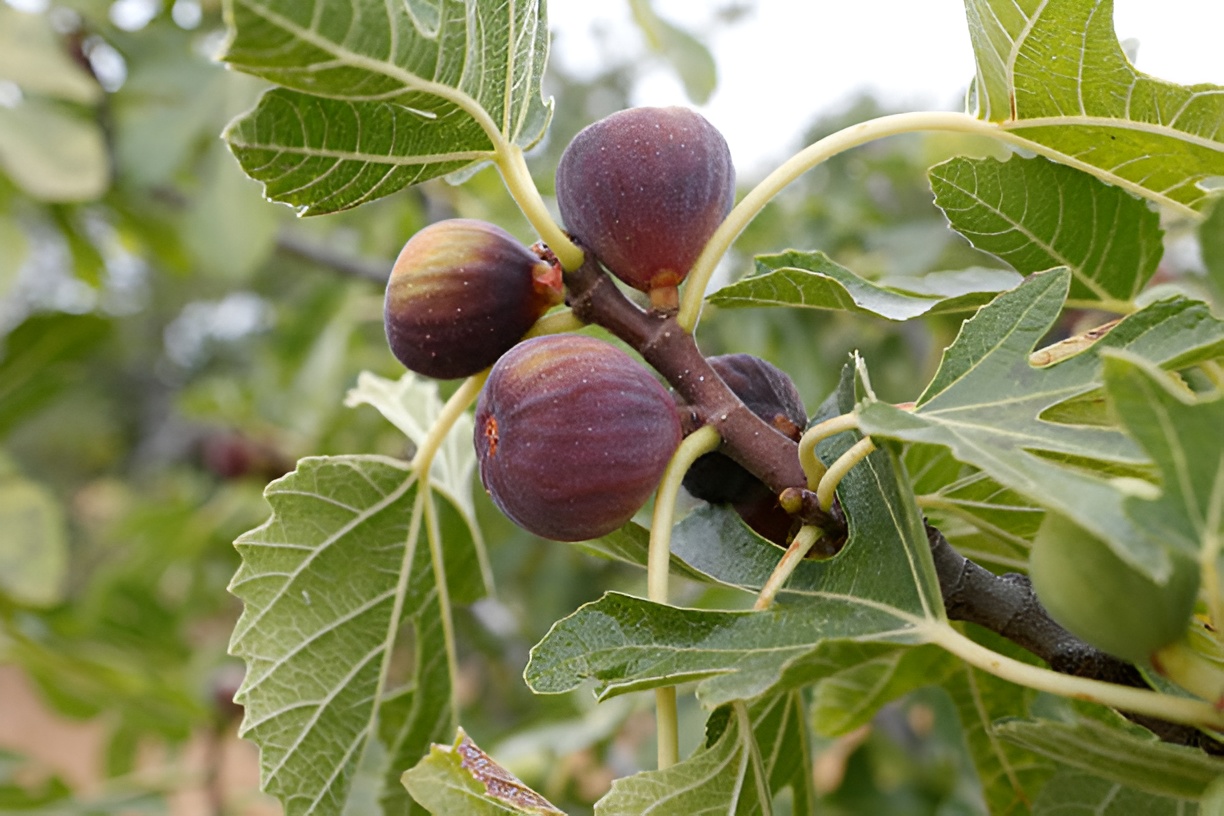
For most home gardeners, figs produce fruit once or twice a year, depending on the variety and climate:
- Early summer crop (breba crop) – Some fig trees produce a smaller crop on last year’s growth, usually ripening in early summer.
- Main crop – The larger harvest occurs on new growth and typically ripens in late summer to early fall.
Here’s a rough timeline for common fig varieties in temperate climates:
- Black Mission Figs – Main crop: late August to October
- Brown Turkey Figs – Main crop: September to October
- Kadota Figs – Main crop: September to November
- Celeste Figs – Main crop: late August to October
Keep in mind that these timelines can shift slightly depending on your local conditions.
How Do You Know When Figs Are Ripe?
Harvesting figs at the right time is crucial because they do not continue to ripen after being picked. Here are some signs your figs are ready:
- Softness – Gently squeeze the fruit; ripe figs yield slightly to pressure.
- Color change – Depending on the variety, figs may turn deep purple, brown, or greenish-yellow.
- Drooping – Ripe figs often hang downward from the branch.
- Stem bend – The stem may become more flexible, allowing the fruit to detach easily.
Tip: Check your figs daily once they start to change color. They can go from perfectly ripe to overripe in just a few days.
Can You Extend Fig Season?
While fig season is naturally limited, home gardeners can sometimes extend it with a few strategies:
- Choose multiple varieties – Planting early and late-bearing figs can lengthen the harvest window.
- Microclimate planting – Positioning trees in warm, sheltered areas can encourage earlier ripening.
- Pruning – Proper pruning can stimulate new growth, improving fruiting in the following season.
How to Harvest Figs Without Damaging the Tree
Figs are delicate, so harvesting them requires a gentle touch. Good fig tree care includes handling fruit carefully to protect both the figs and the branches:
- Use clean hands or scissors – Avoid tugging; gently twist or snip the fruit at the stem.
- Harvest frequently – Pick ripe figs every 2–3 days to prevent overripening.
- Handle with care – Place figs in shallow containers to avoid bruising.
Storing Fresh Figs
Fresh figs are highly perishable, so storage is essential:
- Refrigeration – Store ripe figs in a shallow container, ideally on a paper towel-lined tray, for up to 5–7 days.
- Freezing – For long-term storage, freeze figs whole or sliced. Use an airtight container or vacuum-sealed bag.
- Drying – Drying figs intensifies sweetness and extends shelf life. Sun-drying or using a dehydrator works well.
Can You Eat Figs Straight from the Tree?
Absolutely. Many gardeners enjoy figs fresh, straight from the branch. Just make sure to:
- Wash them gently before eating.
- Avoid unripe figs—they can be bitter and contain a latex-like sap that may irritate the skin or mouth.
What Are the Best Uses for Fresh Fig Harvests?
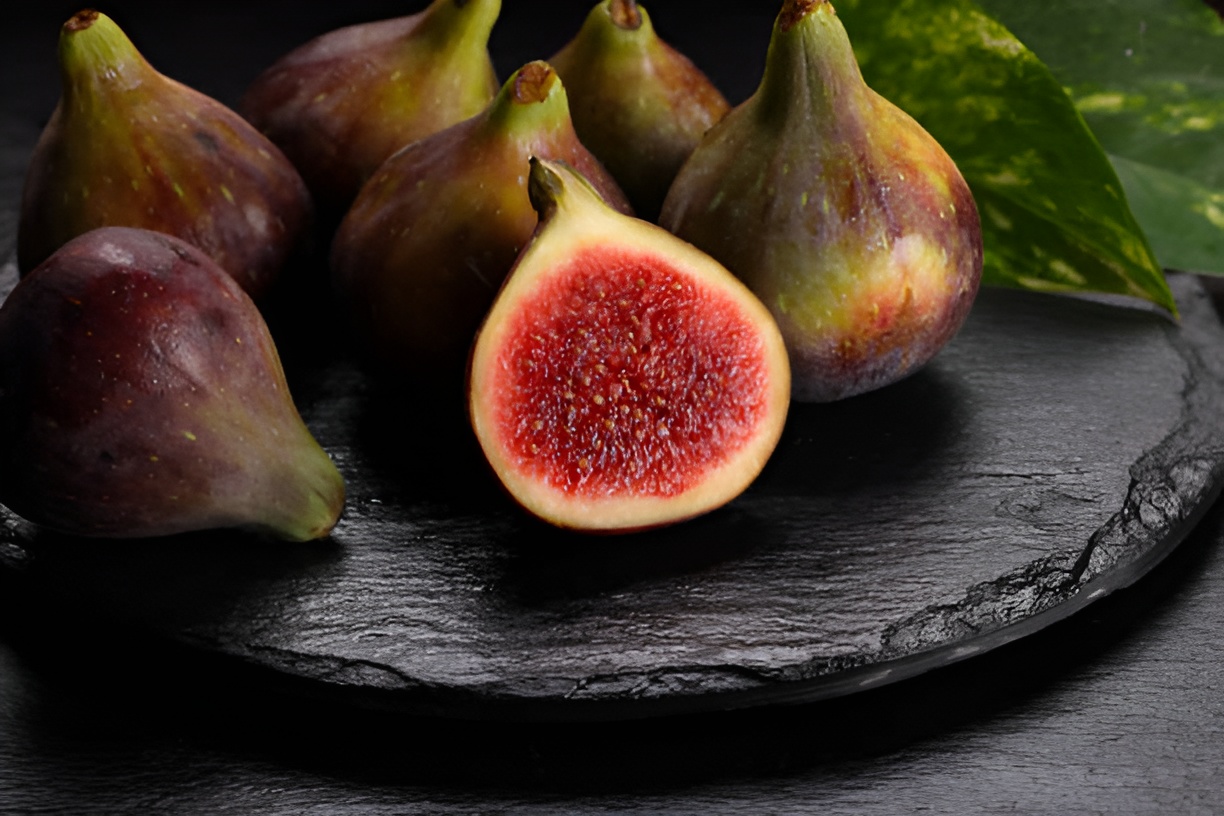
Fresh figs can be used in a variety of ways:
- Snacking – Enjoy raw figs as a sweet, natural snack.
- Baking – Add to muffins, breads, or cakes for natural sweetness.
- Salads – Pair figs with greens, cheese, and nuts for a gourmet touch.
- Preserves – Make fig jam or chutney to enjoy year-round.
- Roasting – Roasted figs complement savory dishes like roasted meats or cheese boards.
How Does Fig Season Affect Your Gardening Schedule?
Knowing when figs are in season helps you plan:
- Pruning – Prune after the harvest to avoid cutting off next season’s fruiting wood.
- Fertilizing – Feed trees after harvest to support root development and next year’s growth.
- Pest management – Monitor for common pests like fig wasps, birds, and insects during the fruiting season.
Common Problems During Fig Season
Even with careful planning, you may encounter issues:
- Split fruit – Often caused by irregular watering or heavy rainfall.
- Birds and critters – Netting or protective covers can help secure your harvest.
- Overripe fruit – Harvest frequently to prevent figs from dropping or fermenting on the tree.
Tips for New Fig Gardeners
If this is your first year growing figs, keep these tips in mind:
- Start with hardy, climate-appropriate varieties.
- Be patient—young trees may take 2–3 years to produce a substantial crop.
- Observe your tree closely; small changes in leaf or fruit color can indicate ripening or stress.
- Keep a gardening journal to track harvest dates and seasonal patterns.
Fig Season FAQs
Q: How many times a year do figs produce fruit?
A: Most fig trees produce one main crop per year, but some varieties also produce a smaller breba crop in early summer.
Q: Can figs ripen indoors if picked early?
A: No, figs do not ripen significantly once picked. Always harvest when fully ripe.
Q: What’s the best way to tell early vs. late-season figs?
A: Early figs often appear on last year’s growth, while main crop figs grow on new shoots. Tracking your tree’s growth cycle is key.
Q: How does weather affect fig season?
A: Unusually cool or wet summers can delay ripening, while warm, dry weather often accelerates it.
Closing Thoughts: Make the Most of Fig Season
Understanding when figs are in season is essential for any home gardener looking to enjoy fresh, sweet fruit. By knowing the signs of ripeness, harvesting carefully, and storing your figs properly, you can maximize the yield from your fig tree. Whether you eat them fresh, bake with them, or preserve them for later, figs are a versatile and rewarding fruit to grow.
With a little planning and observation, your fig tree can provide years of bountiful harvests and delicious enjoyment. Keep track of the season each year, experiment with varieties, and you’ll soon be a confident fig gardener, ready to savor every sweet, succulent bite.