
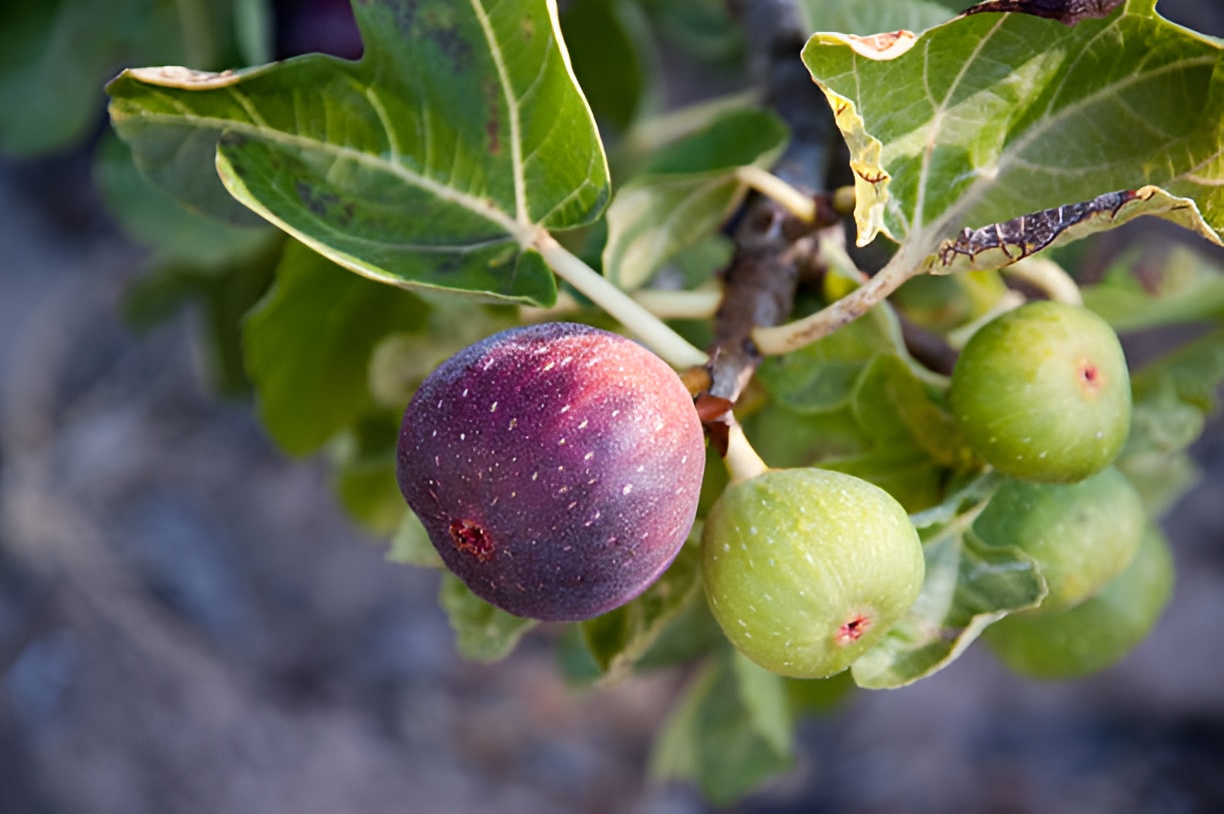
- Fig trees require care in every season—from pruning and frost protection in winter to watering and pest control in summer—to ensure healthy growth and a consistent harvest.
- Regular pruning improves air circulation, sunlight exposure, and fruit quality while preventing disease and structural issues.
- Irregular watering can cause fruit cracking, leaf drop, and stress. Deep, consistent watering supports strong roots and abundant fruit.
- Common issues include aphids, scale, spider mites, fig rust, and root rot. Early detection, organic sprays, and good hygiene prevent serious damage.
- Balanced fertilization, adjusted to each stage of growth, encourages leaf development, flowering, and fruit set without promoting excessive leafy growth.
- Picking figs at the right ripeness, gentle handling, and proper storage maximize flavor and prevent spoilage.
- Understanding your fig variety, soil type, and climate—plus using containers or supports as needed—ensures your care practices are effective year-round.
Fig trees are not only beautiful additions to your garden, but they also reward you with sweet, juicy fruit when cared for properly. Whether you’re a first-time fig grower or an experienced gardener, understanding fig tree care throughout the year is essential to ensure a consistent, healthy harvest. This guide breaks down everything month by month, giving you actionable tips and insights for thriving fig trees.
Why Fig Tree Care Matters Year-Round
Many gardeners assume that fig tree care is only necessary during the growing season. In reality, a fig tree requires attention throughout the year to maximize fruit production and maintain tree health. Year-round care helps:
- Prevent pests and diseases
- Encourage larger and sweeter fruit
- Maintain strong, healthy branches
- Improve overall tree longevity
With a month-by-month approach, you’ll know exactly what your fig tree needs at every stage of the year.
January: Planning and Pruning

Even though winter is a dormant period for fig trees, January is the perfect month to focus on planning and pruning. Dormancy allows you to see the tree’s structure clearly and make better pruning decisions. Proper pruning helps control tree size, improves air circulation, encourages new growth, and removes weak or diseased branches before spring.
Pruning tips:
- Remove dead, diseased, or weak branches to prevent infections and pests from taking hold.
- Cut back any crossing or rubbing branches; this prevents wounds and improves overall tree structure.
- Shape the tree for optimal sun exposure, ensuring sunlight reaches all parts of the canopy.
- Consider thinning the canopy to reduce overcrowding; this helps future fruit develop fully.
Planning tips for January:
- Plan fertilization schedules for the coming year based on your soil test results.
- Check if your tree needs structural support, like stakes or a trellis, especially for young trees or varieties with heavy fruit.
- Order any supplies you may need for spring care, such as mulch, compost, or protective wraps.
January is all about preparation. A well-planned pruning and care schedule now makes the growing season much easier.
February: Protecting Your Fig Tree
February is often the coldest month in many regions, and frost can damage young fig trees or tender new growth. Frost protection now prevents major problems in spring and ensures a healthy start for your tree.
Protection tips:
- Mulch heavily around the base to insulate roots and retain soil warmth.
- Wrap young trees or sensitive varieties with frost cloth, burlap, or even old blankets to prevent frost damage.
- Avoid heavy watering during frost events; wet soil can freeze more quickly, damaging roots.
Additional February care:
- Inspect your tree for any lingering damage from winter storms, such as broken branches or split bark.
- Check irrigation systems to make sure they’re winter-ready; proper drainage is critical to avoid waterlogged roots.
Healthy roots and strong branches now will pay off when growth resumes in March.
March: Preparing for Growth
As temperatures begin to rise, fig trees break dormancy, signaling the start of active growth. March is the perfect month to prepare for a productive season by ensuring your tree has the nutrients, water, and pest protection it needs.
March tasks:
- Apply a balanced fertilizer with nitrogen, phosphorus, and potassium to encourage healthy shoots and root development.
- Test soil pH; figs prefer slightly acidic to neutral soil (pH 6.0–7.0). Amend as needed with lime or sulfur.
- Start monitoring for early pests such as aphids, mealybugs, and scale insects. Early detection makes control easier.
- Lightly mulch around the base to retain moisture as soil warms up.
Proper nutrition and preparation now lay the foundation for larger, healthier fruit later in the season.
April: Encouraging Leaf and Shoot Development
By April, your fig tree is actively growing new leaves and shoots. This is a critical stage because leaves are responsible for photosynthesis, which powers fruit development later in the summer.
April care tips:
- Water consistently, keeping soil evenly moist but not waterlogged.
- Remove weeds and competing plants around the base to reduce nutrient competition.
- Thin overly dense shoots and leaves to improve air circulation and reduce the risk of fungal diseases.
- Consider training new shoots onto a trellis or support structure to encourage healthy growth patterns.
Proper leaf and shoot development now ensures your tree has enough energy to support fruit set and growth during the coming months.
May: Flowering and Early Fruit Set
May marks the onset of flowering for most fig varieties, though flowers are hidden inside the fruit itself. Care during this month can influence fruit size, quality, and overall yield.
May care tips:
- Slightly increase watering as the tree begins fruiting. Dry soil can lead to smaller, misshapen figs.
- Continue light fertilization if soil tests indicate nutrient deficiencies, but avoid high nitrogen fertilizers, which promote leaf growth over fruit.
- Monitor for pests such as spider mites, fig beetles, and aphids. Use insecticidal soaps or horticultural oils if necessary.
- Remove any early fruits that appear damaged or diseased to prevent energy waste.
Focusing on balanced nutrition and pest prevention in May sets the stage for a successful summer harvest.
June: Summer Care and Fruit Thinning
June is a busy month for fig trees. Fruit develops quickly, and summer heat can cause stress, reducing both yield and fruit quality.
June checklist:
- Apply mulch around the base to retain soil moisture and reduce soil temperature.
- Thin small or crowded fruits to direct energy into fewer, larger figs. This improves both taste and size.
- Continue regular monitoring for pests and diseases; hot, humid conditions can increase fungal infections.
- Ensure consistent watering, ideally 1–2 deep waterings per week, depending on rainfall and soil type.
Maintaining stable conditions during June prevents fruit drop, cracking, and leaf stress.
July: Managing Water and Heat Stress
July often brings peak summer heat, which can stress fig trees and affect fruit quality. Managing water and exposure is essential.
Watering and heat management:
- Deep water once or twice a week instead of frequent shallow watering to encourage deep root growth.
- Avoid wetting foliage, which can encourage fungal diseases.
- Consider temporary shade for young or container-grown trees during extreme heat.
Other July care tips:
- Keep an eye on fruit ripening; heat can accelerate maturation, making harvest timing critical.
- Check for sunburned leaves and fruits, especially on south-facing sides of the tree.
Proper summer care now prevents fruit cracking, leaf scorch, and long-term stress.
August: Ripening and Harvest Preparation
August is prime fig season in many regions. Figs ripen quickly, so timely care and harvest are essential.
August strategies:
- Monitor fruit closely; figs should be soft, slightly drooping, and fragrant when ready.
- Continue consistent watering but reduce fertilizer, especially nitrogen, to avoid leafy growth.
- Support branches bearing heavy fruit to prevent breakage.
- Watch for pests that target ripening figs, such as fruit flies or beetles.
Harvest carefully to avoid damaging branches or fruit. Proper handling ensures maximum flavor and shelf life.
September: Harvest and Post-Harvest Care
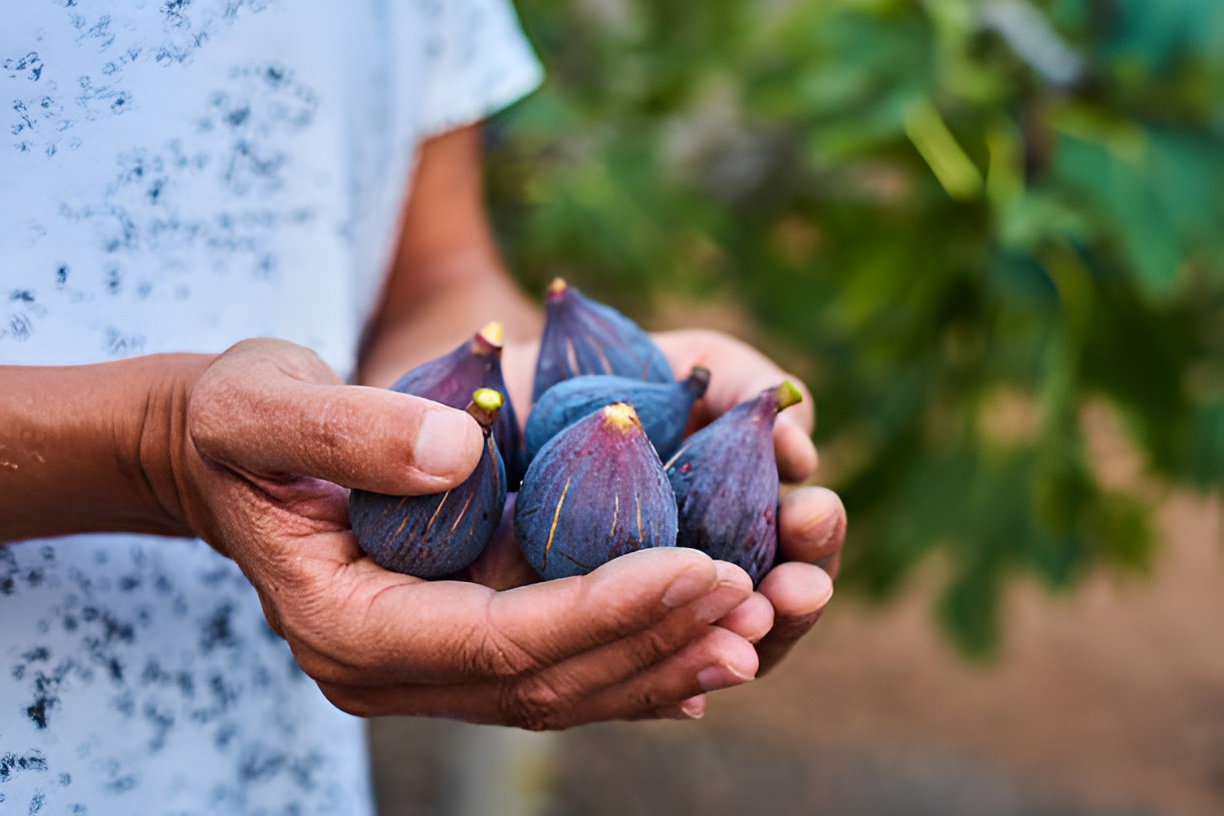
September is peak harvest month for many varieties. Enjoying figs at their ripest is rewarding, but don’t neglect post-harvest care.
Harvesting tips:
- Pick figs when soft and slightly drooping; fully ripe figs rarely continue to ripen off the tree.
- Store harvested figs in a cool, dry place or refrigerate for short-term storage (up to 5–7 days).
- Lightly prune the tree after harvest to remove dead or damaged branches, and to encourage healthy spring growth.
- Clean up fallen fruit to reduce the risk of pests and diseases.
Healthy post-harvest care ensures the tree is ready for winter dormancy and next season’s growth.
October: Preparing for Dormancy
As temperatures cool, fig trees naturally slow growth and enter dormancy. October is the time to prepare the tree for winter survival.
October tasks:
- Reduce watering gradually as the tree requires less moisture.
- Remove fallen leaves and fruit to prevent fungal diseases.
- Apply a thick layer of mulch to protect roots from early frost.
- Inspect the tree for any signs of stress or damage before the first frost.
Proper preparation in October reduces winter stress and sets the tree up for a strong start in spring.
November: Pest and Disease Prevention
Even in slower growth periods, fig trees can face pests and fungal problems. November is a good month to inspect and prevent issues.
Preventive measures:
- Check branches for scale, mealybugs, mites, or overwintering insects.
- Apply dormant fungicide if your area has a history of fig diseases.
- Clean debris and fallen leaves around the base to prevent overwintering pests.
- Consider light pruning to improve airflow and reduce disease risk.
Early prevention now reduces headaches in spring when trees become active again.
December: Final Winter Preparations
December is a quiet month for fig trees, but small care steps can have a big impact on next year’s harvest.
December reminders:
- Ensure frost protection measures are in place, especially for young trees or sensitive varieties.
- Consider wrapping trees in frost cloth or burlap if extreme cold is expected.
- Plan fertilization, pruning, and irrigation schedules for the coming year.
- Inspect trees for any damage from winter storms and repair if necessary.
Even minimal care in December dramatically improves fruit yield and tree health in the coming season.
Common Fig Tree Problems and How to Avoid Them
Even with month-by-month care, fig trees can face challenges. Here are some common problems and solutions:
Fruit Cracking
What it is: Fruit cracking appears as splits or tears in the skin of figs, often making the fruit susceptible to pests and fungal infections.
Causes:
- Irregular watering—dry spells followed by heavy watering cause rapid fruit expansion.
- Overly heavy rains after a dry period.
- Excessive nitrogen fertilization, which encourages fast growth of fruit and leaves.
Solutions:
- Water consistently, keeping soil evenly moist but not waterlogged.
- Apply mulch around the base to retain soil moisture and reduce fluctuations.
- Avoid high-nitrogen fertilizers during fruit development; instead, use a balanced fertilizer.
- Thin overcrowded fruits to reduce competition and uneven growth.
Leaf Drop
What it is: Sudden or gradual shedding of leaves, which can weaken the tree and reduce fruit production.
Causes:
- Overwatering or poor drainage, which drowns roots.
- Underwatering, which stresses the tree.
- Nutrient deficiencies, particularly nitrogen, potassium, or magnesium.
- Pest infestations or fungal infections weakening foliage.
Solutions:
- Maintain a consistent watering schedule; check soil moisture before watering.
- Ensure proper soil drainage and avoid waterlogged areas.
- Fertilize according to soil test results; consider foliar sprays for rapid nutrient correction.
- Inspect for pests and diseases regularly and treat promptly.
Pests
Common pests: Scale insects, aphids, spider mites, and fig beetles.
Signs of infestation:
- Yellowing or curling leaves
- Sticky residue (honeydew) on leaves
- Small holes in fruit or leaves
- Reduced fruit size and vigor
Solutions:
- Apply horticultural oils or insecticidal soaps early in the season.
- Encourage beneficial insects like ladybugs and lacewings that prey on common pests.
- Remove heavily infested branches to prevent spread.
- Maintain tree hygiene by cleaning fallen leaves and debris.
Diseases
Common diseases: Fig rust, root rot, and fungal infections.
Signs of disease:
- Rust-colored spots on leaves or fruit
- Black, mushy roots or base of the trunk
- Mold or mildew on leaves or fruit
Causes:
- Poor air circulation due to dense foliage or overcrowding
- Waterlogged soil or standing water around the base
- Infected soil or contaminated tools
Solutions:
- Prune densely packed branches to improve airflow.
- Avoid overwatering and improve soil drainage; raised beds or mounds can help.
- Apply dormant fungicides if your area is prone to fungal infections.
- Sterilize pruning tools between cuts to prevent disease transmission.
Essential Fig Tree Care Tips for Beginners
If you’re new to fig trees, keep these essential tips in mind:
- Plant figs in full sun with well-draining soil
- Mulch around the base to conserve moisture
- Water deeply but infrequently to encourage strong roots
- Prune annually to maintain shape and airflow
- Monitor for pests and disease regularly
- Harvest promptly when fruit is ripe
Organic Approaches to Fig Tree Care
Many gardeners prefer natural methods to maintain healthy fig trees. Organic practices include:
- Using compost or well-rotted manure for fertilization
- Spraying neem oil to control pests
- Applying mulch to improve soil structure and moisture retention
- Encouraging beneficial insects like ladybugs and lacewings
Organic fig tree care is sustainable and supports long-term garden health.
Choosing the Right Fig Variety
Fig tree care can vary depending on the variety. Some popular choices include:
- Brown Turkey: Cold-hardy and easy to grow
- Celeste: Sweet, small fruit, excellent for container growing
- Kadota: Larger, greenish fruit, requires more heat
- Mission: Dark-skinned, rich-flavored figs
Understanding your variety’s needs ensures your month-by-month care is effective.
Tips for Growing Fig Trees in Containers
Not all gardeners have room for full-size fig trees. Container growing is possible with proper care:
- Use large pots (at least 15–20 gallons)
- Ensure excellent drainage to prevent root rot
- Prune roots occasionally to control size
- Protect containers from freezing in winter
Container fig trees require more frequent watering and careful monitoring, but they can thrive with consistent care.
How Soil and Fertilization Affect Fig Tree Health
Healthy soil is critical to successful fig tree care. Consider these points:
- Figs prefer slightly acidic to neutral soil (pH 6.0–7.0)
- Incorporate organic matter to improve fertility and structure
- Fertilize 2–3 times per growing season, but avoid over-fertilization
- Monitor for yellowing leaves, which may indicate nutrient deficiency
Proper soil management supports strong roots, vibrant foliage, and abundant fruit.
Common Fig Tree Care Mistakes to Avoid
Even experienced gardeners can make mistakes. Avoid these pitfalls:
- Over-pruning, which reduces fruiting potential
- Inconsistent watering, leading to fruit cracking
- Ignoring pests and diseases until they become severe
- Planting in poor-draining soil
Awareness of common mistakes allows you to adjust your care routine proactively.
Harvesting and Storing Figs
Figs are delicate and require gentle handling. Key tips:
- Harvest when slightly soft and fragrant
- Store in a cool environment; refrigerate for short-term storage
- Use immediately for jams, baking, or fresh eating
- Avoid stacking figs to prevent bruising
Proper harvesting ensures you enjoy your tree’s bounty at peak flavor.
Wrapping Up Your Year of Fig Tree Care
Following a month-by-month approach keeps your fig tree healthy and productive. By addressing pruning, watering, fertilization, pest control, and seasonal adjustments, you’ll ensure a consistent harvest year after year. Remember, every fig tree is slightly different, so observe your tree and adjust care as needed. With patience and dedication, fig tree care becomes a rewarding and enjoyable part of your gardening routine.