
Installing a well on your property is a significant investment that can provide reliable access to clean water for years to come. For many homeowners, having a private well is not just about convenience—it’s about independence from municipal water systems and assurance of water availability, especially in rural or remote areas where public water infrastructure may be limited or unreliable. Additionally, wells can offer cost savings over time compared to ongoing water bills, making them an attractive long-term solution.
However, the success of this endeavor depends heavily on thorough preparation before installation and consistent care afterward. Proper planning, including detailed site evaluation and collaboration with experienced professionals such as excavation experts, pest control specialists, and septic service providers, can prevent common issues such as contamination, structural damage, or inefficient water flow.
Understanding the necessary steps homeowners should take can help avoid costly repairs, protect water quality, and ensure the well functions efficiently throughout its lifespan. These steps involve more than just drilling; they include assessing your property’s unique geological and environmental conditions, managing surrounding landscaping to reduce risks, and maintaining essential services like septic systems that interact with your groundwater. This article breaks down essential actions you can implement both before and after installing a well, offering a comprehensive guide that prioritizes safety, longevity, and environmental responsibility to help you maximize your investment and safeguard your water supply.
1. Planning Your Property Assessment and Site Preparation

Before starting any physical work, it’s vital to evaluate your property’s layout and conditions carefully. This includes understanding soil types, drainage patterns, and potential obstacles that could interfere with the well’s location and operation. A thorough site assessment helps identify the best spot for drilling, one that maximizes water yield while minimizing risks such as flooding or contamination. It also allows you to plan around existing structures, utility lines, and landscaping features, avoiding unexpected complications during installation.
One important aspect is consulting with excavation companies. These professionals have the tools and expertise to assess your land, clear necessary areas, and prepare the site efficiently. Their work ensures that the ground is stable and accessible for drilling equipment, reducing the risk of delays or damage during installation. Excavation specialists familiar with well projects can also advise on grading the site properly to support drainage and prevent erosion.
Choosing the right excavation company means considering their experience with well installation projects specifically. They should understand how to protect existing landscaping features and utilities while preparing the site, minimizing disruption to your property.
At the same time, consider the impact of existing trees on your project. Reliable tree removal services can help eliminate trees that pose a threat to the well structure through root interference. Removing these trees before drilling begins prevents costly repairs later and protects your water source from contamination risks associated with decaying roots. Tree removal also reduces the chance of fallen branches damaging equipment or the wellhead.
Moreover, clearing out trees may improve access for large equipment, ensuring that installation proceeds smoothly without unnecessary interruptions. Proper site preparation lays the groundwork for successfully installing a water well, making these initial steps critical for long-term performance.
2. Coordinating With Professionals for a Smooth Process
Partnering with experienced professionals is critical to successfully installing a man-made well. Selecting specialists who understand local regulations, geology, and water safety standards helps avoid legal complications and technical issues. These experts ensure the well meets all necessary codes, reducing the risk of costly rework or delays. Additionally, experienced professionals bring insights about your specific terrain and water table, improving the chances of a successful, long-lasting well.
Engaging a pest control company early in the process can address concerns about insects, rodents, and other pests that may inhabit the well site. Preventing pest infestation not only safeguards the well’s physical components but also protects water quality from biological contamination. A pest control expert can help identify vulnerable areas and recommend treatments that are safe for your water supply, creating a healthier environment around your well.
If your home uses or plans to use a septic system, coordinating with septic pumping services is essential. Properly maintained septic systems minimize the risk of harmful bacteria or chemicals leaching into groundwater, which could compromise your well water. Scheduling septic pumping ahead of well installation ensures your system is functioning optimally and decreases the chances of cross-contamination, especially during excavation or drilling.
Using erosion control products during and after installation helps stabilize disturbed soil. These products reduce sediment runoff and soil erosion, preserving your landscape and preventing debris from entering your well. Typical erosion control solutions include biodegradable mats, silt fences, and gravel barriers, which are especially important on sloped terrain or areas prone to heavy rainfall. Proper erosion management supports both your landscaping and the well’s structural integrity, protecting your investment for years to come.
3. Protecting Your Investment Through Proper Landscaping
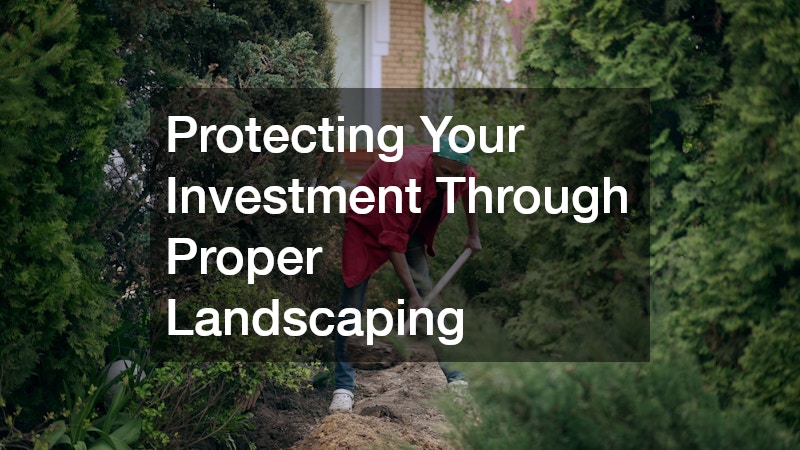
Once the well is installed, landscaping becomes a vital factor in protecting your investment. Thoughtful landscaping not only enhances your property’s appearance but also contributes to the well’s safety and functionality. Well-planned landscaping can prevent erosion, protect the wellhead, and create a buffer zone that shields the system from environmental hazards.
Applying mulch around the well area is an effective way to prevent soil erosion while improving water absorption. Mulch helps retain moisture, reduces weed growth, and stabilizes the soil, creating a protective barrier for the well site. Mulching also moderates soil temperature fluctuations, which benefits both the soil ecosystem and any nearby plants.
Choosing the right mulch materials—such as bark chips, straw, or compost—can influence soil quality and drainage near the well, so select types compatible with your local environment. Organic mulches gradually decompose, enriching the soil, whereas inorganic mulches like gravel provide longer-lasting coverage without nutrient addition.
In addition to mulch, consider paving solutions near your well. Well-planned paving can provide a durable surface for maintenance access and prevent soil compaction or erosion. Choose materials that allow for proper drainage to avoid water pooling, which can damage both your landscaping and the well structure.
Permeable paving options are especially effective, as they let water seep through, reducing runoff and supporting natural groundwater recharge. This type of paving also minimizes the risk of flooding and preserves the natural hydrology of your property.
Integrating fire protection strategies into your landscaping design enhances safety. This may include creating defensible space by reducing combustible vegetation around the well and using fire-resistant plants. Such measures lower the risk of wildfire damage and help preserve your water supply.
Including hardscaping features like gravel paths and stone barriers can also serve as firebreaks, protecting critical well infrastructure during wildfire season. Additionally, keeping the area around the well clear of dry brush and debris reduces fire hazards.
Maintaining a healthy landscape also involves promoting plant growth that supports soil stability and discourages pest habitats. This reduces the likelihood of erosion and biological threats to your well over time. Selecting native plants often provides a dual benefit; these species are well adapted to local conditions, requiring less water and maintenance while supporting local ecosystems.
4. Ensuring Safety and Longevity Post-Installation
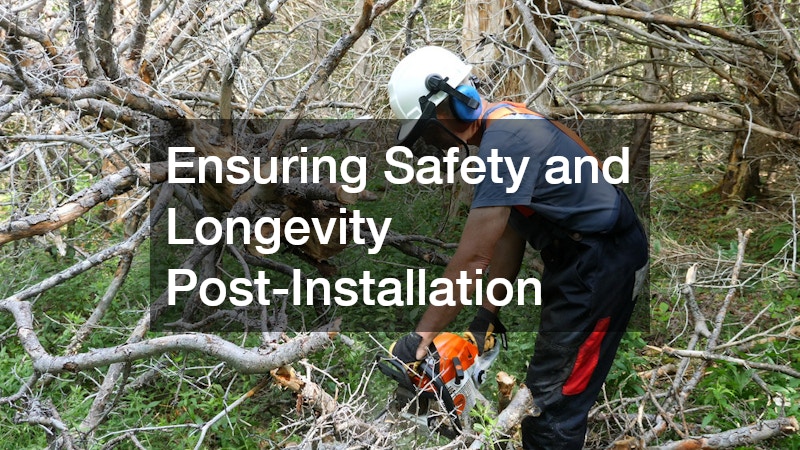
The period following water well construction is critical for monitoring the site and maintaining its integrity. Regular inspections help detect potential problems early, allowing for timely repairs and adjustments that can save homeowners significant expense and inconvenience down the line. A proactive approach to post-installation care ensures the well remains functional and safe for years to come.
Excavation companies can assist with post-installation monitoring by assessing ground stability. Shifts or settling in the soil around the well may indicate structural risks that need addressing before they escalate into serious damage. Soil compaction or erosion around the wellhead can expose components to physical harm and increase the risk of contaminants entering the water supply, so prompt corrective action is essential to preserve system integrity.
Root growth from nearby trees can gradually threaten the well infrastructure. Continuing to work with reliable tree removal services ensures that any problematic growth is managed before it causes damage. Additionally, trimming or removing invasive roots helps prevent costly repairs and maintains clear access for well maintenance, facilitating inspections and repairs.
Fire protection remains a priority after installation. Establishing and maintaining defensible space and fire breaks near your well and landscaping helps reduce the risk of fire-related damage to your water source. In wildfire-prone areas, these protective zones can be lifesaving, offering a buffer that slows fire spread and safeguards your property and water supply.
Regular septic pumping services are essential to prevent system failures that could contaminate your well. Scheduling routine maintenance keeps septic systems functioning properly and protects the quality of your groundwater. Septic inspections combined with pumping prevent system backups and leaks, which might otherwise jeopardize well water safety. Integrating septic system care into your well maintenance routine is vital for long-term water quality and environmental health.
5. Maintenance Best Practices for Homeowners

Ongoing care is key to preserving both your landscaping and your water well. Establishing a consistent maintenance routine allows homeowners to address small issues before they become major problems, extending the lifespan of the well and maintaining water quality. Routine maintenance also helps prevent unexpected disruptions, saving time and money in the long run.
Routine visits from a pest control company keep the well area free from insects and rodents that might damage equipment or contaminate water. Preventive pest management contributes to a safe and clean water supply by minimizing the presence of bacteria and other contaminants introduced by pests. Pest control professionals can also advise on landscaping adjustments to minimize habitats attractive to pests near your well, such as dense shrubbery or standing water.
Monitoring erosion is crucial, especially after heavy rains or landscaping changes. Replace or reinforce these products as needed to maintain soil integrity and protect against sediment entering your well. Inspect erosion barriers seasonally and after storms to ensure they are functioning as intended, and repair damage promptly to avoid further soil degradation.
Mulch and paving near your well require periodic inspection and upkeep. Refresh mulch layers regularly to ensure proper soil protection, moisture retention, and weed suppression. Similarly, repair or replace paving materials that have deteriorated to prevent water pooling and soil erosion, which could threaten the well’s structure and the surrounding landscape.
Keeping an open line of communication with your water well contractor is advisable for troubleshooting or scheduling upgrades. They can provide expert advice and support tailored to your property’s evolving needs. Regular consultations help detect early signs of wear or contamination, enabling preventive care and ensuring your well remains a reliable water source for years to come.