
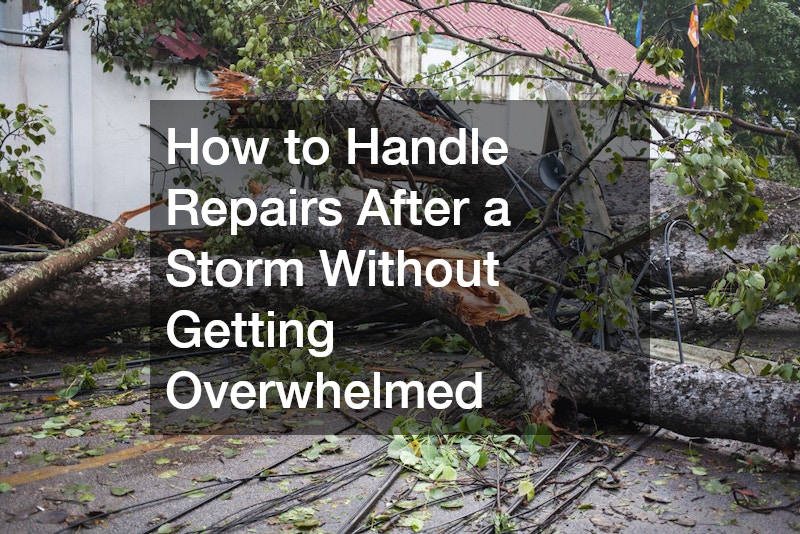
Severe weather can leave more than visible damage behind. In the hours and days following high winds, heavy rain, hail, or snow, homeowners often face a long list of decisions that feel urgent, expensive, and emotionally draining. When you are dealing with Repairs After a Storm, it is easy to feel pulled in too many directions at once—insurance paperwork, contractor calls, temporary safety concerns, and the pressure to restore your home as quickly as possible. Without a clear approach, the process can quickly become overwhelming.
The key to managing Repairs After a Storm is understanding that not everything has to happen at once. While certain hazards need immediate attention, many repairs can be prioritized, planned, and addressed methodically. Taking a structured approach helps protect your home from further damage, reduces stress, and allows you to make informed decisions instead of rushed ones. This guide walks through practical steps, decision-making strategies, and common repair categories so you can move forward with confidence and clarity.
Assessing Immediate Safety and Preventing Further Damage
The first step in navigating Repairs After a Storm is making sure your home is safe to enter and occupy. Before focusing on repairs themselves, walk your property carefully and look for hazards that could pose immediate risks. Downed power lines, exposed wiring, gas odors, structural shifts, or standing water near electrical systems require urgent attention. If anything feels unsafe, contacting emergency services or utility providers should come before any cleanup or inspection efforts.
Once basic safety is confirmed, your attention should shift toward preventing additional damage. Temporary measures like tarping exposed roof areas, boarding broken windows, or redirecting water away from the foundation can make a significant difference. These actions do not replace permanent repairs, but they protect your home from worsening conditions while plans are made. During Repairs After a Storm, small delays can compound damage, especially when moisture intrusion is involved.
Documenting the condition of your home at this stage is also critical. Take detailed photos and videos of all affected areas, including exterior damage, interior leaks, and compromised systems. This documentation supports insurance claims and helps contractors understand the scope of work later. By addressing safety first and stabilizing your home, you create a foundation for more manageable Repairs After a Storm rather than reacting to problems as they escalate.

Understanding Insurance Coverage and Organizing Documentation
Insurance paperwork is often one of the most stressful parts of Repairs After a Storm, particularly when homeowners are already dealing with physical damage and disruption. Taking time to understand your policy can significantly reduce confusion and delays. Review coverage details related to wind, hail, flooding, and secondary damage, noting deductibles and exclusions. If language is unclear, contacting your insurer for clarification is worthwhile before proceeding.
Organization is essential during this stage. Create a dedicated folder—digital or physical—for claim numbers, adjuster contact information, repair estimates, receipts, and correspondence. Maintaining clear records ensures nothing is overlooked and helps resolve disputes more efficiently. When Repairs After a Storm involve multiple areas of the home, documentation becomes even more important to track progress and approvals.
Meeting with an insurance adjuster can feel intimidating, but preparation makes a difference. Walk through the property together, reference your photos, and ask questions about timelines and next steps. Keep notes during these conversations. The more informed you are, the more confident you will feel navigating Repairs After a Storm without unnecessary frustration or delays.
Addressing Water-Related Damage Before It Spreads
Water intrusion is one of the most common and destructive outcomes of severe weather, and it must be handled promptly during Repairs After a Storm. Even small leaks can lead to mold growth, wood rot, and compromised structural materials if left unchecked. Identifying the source of moisture—roof breaches, foundation cracks, or plumbing failures—is essential before repairs begin.
Professional water damage restoration services play a vital role in stabilizing affected areas. These specialists use industrial drying equipment, moisture detection tools, and sanitization techniques to prevent long-term issues. Addressing hidden moisture early reduces the likelihood of secondary repairs later, which can be far more costly and disruptive.
Water-related Repairs After a Storm also require patience. Drying and remediation can take days or weeks, depending on severity. Rushing reconstruction before moisture levels are properly controlled can trap water inside walls or floors, leading to future damage. By prioritizing moisture management and allowing professionals to complete this phase thoroughly, homeowners protect both their investment and their indoor air quality.
Managing Plumbing Systems and Interior Infrastructure
Storms can place unexpected stress on plumbing systems, especially when flooding, freezing temperatures, or shifting soil are involved. During Repairs After a Storm, it is important to inspect pipes, drains, and fixtures for signs of leaks, reduced water pressure, unusual noises, or backups that were not present before the weather event. Even subtle changes—such as inconsistent water temperature or slow fixture response—can indicate underlying issues that require professional evaluation before they escalate into more costly damage.
Engaging a residential plumbing service ensures that hidden damage does not go unnoticed during Repairs After a Storm. Licensed professionals can pressure-test water lines, inspect joints and shutoff valves, and verify that supply and drainage systems are functioning correctly. This step is especially important before restoring walls, flooring, or cabinetry that may conceal pipes, since sealing damaged plumbing behind finished surfaces can lead to recurring leaks and expensive rework later.
In some cases, homeowners discover opportunities for strategic upgrades while addressing Repairs After a Storm. For example, damage to aging equipment may justify replacing inefficient components with modern solutions such as tankless water heaters, which provide on-demand hot water and reduce the risk of future tank-related leaks. Other improvements, including a whole house water softener system, can also enhance water quality and protect plumbing fixtures long-term. While upgrades are not required, thoughtfully incorporating them during necessary repairs can increase efficiency, resilience, and overall home value.
Coordinating Skilled Trades Without Feeling Rushed
One of the most challenging aspects of Repairs After a Storm is coordinating multiple contractors at once. Roofers, plumbers, electricians, and restoration teams often need to work in a specific sequence, and availability may be limited after widespread weather events. Without a clear plan, scheduling conflicts can slow progress, create rework, and increase stress—especially when one delay impacts several other repairs waiting to begin.
Working with local plumbers and other area-based professionals often provides advantages that go beyond convenience. Local contractors are familiar with regional building codes, weather patterns, permit requirements, and common storm-related issues that affect homes in the area. They may also have established working relationships with other trades, which can help streamline scheduling, reduce miscommunication, and keep Repairs After a Storm moving efficiently from one phase to the next.
To stay organized, create a simple but realistic timeline outlining which repairs must happen first and which can follow. Confirm expectations in writing, including start dates, estimated completion windows, inspection requirements, and payment terms. Regular check-ins and clear documentation help prevent misunderstandings, reduce downtime between trades, and allow Repairs After a Storm to progress steadily rather than becoming a series of frustrating delays.
Repairing Roof and Exterior Structural Damage
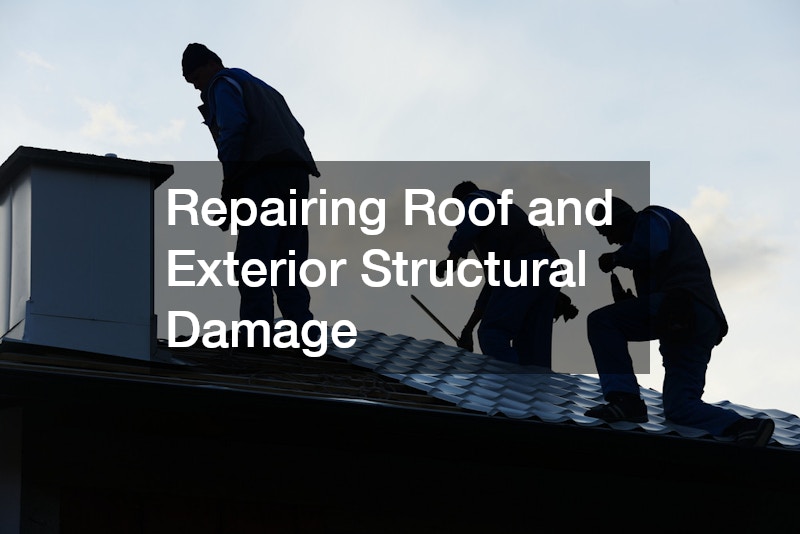
Roof damage is among the most visible and urgent issues after severe weather, making it a critical component of Repairs After a Storm. Missing shingles, punctures, or sagging sections can allow water to enter the home, causing widespread interior damage if not addressed promptly. A thorough roof inspection should happen as soon as conditions allow.
In cases of significant damage, roof replacement may be the most practical solution rather than repeated patchwork repairs. While this can feel overwhelming, replacing compromised roofing materials restores protection and often improves energy efficiency. Working with an experienced shingle roofer ensures materials are installed correctly and meet local code requirements.
Exterior Repairs After a Storm extend beyond the roof. Siding, gutters, soffits, and flashing all contribute to water management and structural integrity. Addressing these components together helps prevent future issues and provides peace of mind during the next severe weather event.
Restoring Drainage and Waste Systems Safely
Storm debris, sediment, and excess water can overwhelm drainage systems, leading to backups and unpleasant odors. During Repairs After a Storm, inspecting drains and sewer lines helps identify blockages before they cause interior flooding or sanitation concerns. Leaves, soil, roofing granules, and broken branches can wash into exterior drains, while shifting ground may misalign underground pipes. Even homes that appear unaffected may experience slow drainage days or weeks later, particularly after repeated rainfall reintroduces trapped debris into the system.
Professional drain cleaning businesses use specialized tools such as hydro-jetting equipment and inspection cameras to remove debris safely and restore proper flow without damaging pipes. This step is especially important if flooding occurred or if trees and landscaping were damaged nearby, as root intrusion can worsen after storms. Preventative cleaning reduces the risk of emergency calls later, minimizes foul odors, and supports overall home functionality during ongoing Repairs After a Storm.
Drainage-related Repairs After a Storm also include exterior considerations such as grading, downspout extensions, window well drainage, and sump pump performance. Testing sump pumps, clearing discharge lines, and confirming proper slope around the foundation help prevent recurring water intrusion. When drainage systems work as intended, basements and crawl spaces stay drier, repair timelines stay on track, and long-term moisture-related damage is far less likely to develop.
Addressing Fireplaces, Chimneys, and Airflow Systems
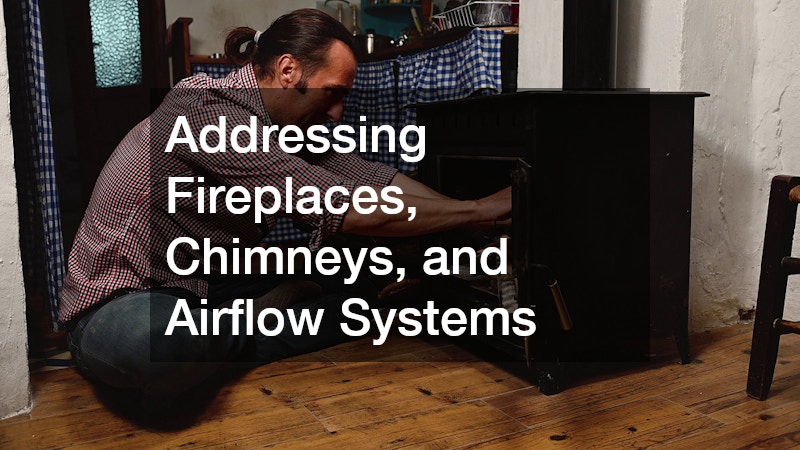
High winds and falling debris can compromise chimneys, flues, and venting systems, even when damage is not immediately visible. During Repairs After a Storm, fireplaces and chimneys should be inspected before use to avoid safety hazards such as blockages, loose masonry, shifted liners, or structural instability that may not be obvious from the exterior. Even minor movement caused by wind or impact can disrupt proper draft function, increasing the risk of smoke backup or gas exposure inside the home.
A local chimney cleaning service can assess internal liners, remove debris such as leaves, nesting materials, or broken masonry, and identify cracks or misalignments that could worsen over time. Using a damaged chimney can introduce carbon monoxide risks, reduce heating efficiency, or increase fire hazards, making professional evaluation essential before resuming normal use. These inspections are especially important if the storm involved heavy wind, fallen branches, or roof damage near the chimney structure.
Airflow systems, including attic ventilation, bathroom exhaust fans, dryer vents, and range hoods, should also be checked carefully during Repairs After a Storm. Blocked or damaged vents can trap moisture, contribute to mold growth, and place extra strain on HVAC systems. Ensuring proper airflow supports temperature regulation, protects insulation, and promotes long-term home health and energy efficiency while reducing the likelihood of hidden moisture problems developing later.
Handling Hazardous and Sensitive Cleanup Situations
Some storms create conditions that go beyond standard debris removal. Floodwaters may contain contaminants, sewage backups, or biological hazards that require specialized handling. In these situations, Repairs After a Storm should never involve unprotected DIY cleanup. Exposure to contaminated water, sharp debris, or airborne particles can create serious health risks long after the storm has passed, particularly for children, older adults, or anyone with respiratory concerns.
Professional biohazard cleanup services are trained to safely remove hazardous materials and sanitize affected areas using industry-approved methods and protective equipment. These services help prevent the spread of bacteria, mold, and pathogens while ensuring that contaminated materials are disposed of properly. Attempting to manage these situations without proper training can result in incomplete cleanup, lingering odors, or hidden contamination that resurfaces later, complicating Repairs After a Storm even further.
Sensitive Repairs After a Storm also include emotional considerations that are often overlooked. Discovering sewage contamination, animal remains, or severe interior damage can be overwhelming and distressing for homeowners. Having experienced professionals manage this phase allows you to step back from unsafe conditions, reduce emotional strain, and focus on decision-making and recovery. By treating hazardous cleanup as a distinct and specialized step, you create a safer environment and a clearer path forward as the rest of your repairs continue.
Moving Forward With Confidence and Long-Term Resilience
Once immediate Repairs After a Storm are complete, many homeowners find value in reflecting on lessons learned. Identifying vulnerabilities—such as aging materials, poor drainage, or outdated systems—can guide future improvements. Small upgrades made during recovery often reduce damage from future storms.
Creating an emergency plan and maintaining a list of trusted contractors simplifies future responses. Keeping documentation organized and updating insurance coverage as needed provides additional peace of mind. Over time, these steps transform Repairs After a Storm from a reactive scramble into a manageable process.
While storm damage is never convenient, approaching repairs with structure, patience, and professional support helps homeowners regain control. With thoughtful planning and informed decisions, Repairs After a Storm become an opportunity to restore not just a home, but confidence in its safety and resilience.