
Taking on a major outdoor project requires more than enthusiasm and a weekend free on the calendar. Whether someone is planning a full backyard renovation, expanding usable outdoor space, installing new features, or upgrading aging structures, the groundwork—quite literally—determines how smoothly everything else goes. The process begins with understanding the scope of the work, identifying potential obstacles, and aligning timelines with the right professionals. Most importantly, preparing your property before any physical work begins saves time, reduces stress, protects your home, and helps you avoid expensive surprises during construction. By thinking ahead, homeowners position themselves for more efficient progress and better long-term results. In this guide, we’ll walk through practical steps to help homeowners build a clear blueprint for success while preparing your property for impactful, transformative outdoor upgrades.
1. Assess and Remove Hazardous or Obstructive Trees Early On
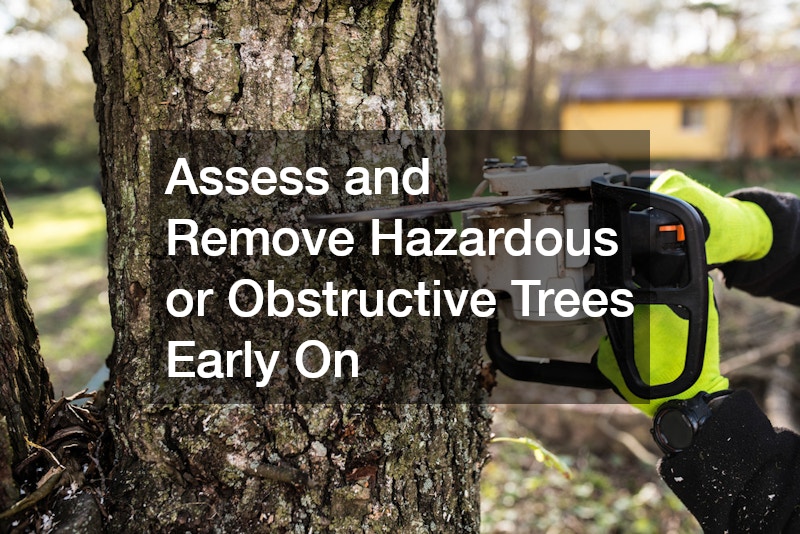
Before any outdoor renovation begins, one of the most important steps in preparing your property is understanding the condition and placement of the existing trees surrounding the planned work area. Trees that appear healthy can still pose risks if their roots extend too close to foundations, irrigation lines, or new construction paths. Likewise, trees with dead limbs, leaning trunks, or storm damage may be unsafe during project activity.
A local tree service can assess potential hazards, evaluate root spread, and determine whether pruning or full removal is necessary. Their professional eye helps identify problems a homeowner might overlook, such as internal decay or branches weakened by pests. Preparing your property early ensures disruptive tree issues do not delay construction, add unexpected expenses, or damage equipment.
When coordinating this step, homeowners should:
-
Schedule an early evaluation so tree work does not bottleneck the project timeline.
-
Ask for guidance on whether a tree should be preserved, trimmed, or removed.
-
Request detailed cleanup after pruning or removal to keep the work zone usable.
-
Map out root lines to understand how future projects might affect remaining trees.
By taking this step seriously, homeowners protect both their investment and the long-term health of their outdoor environment.
2. Get Multiple Evaluations Before Committing to Tree Removal
Even when a project requires clearing trees or managing overgrowth, it’s wise to obtain more than one opinion. Each company may see different risks, offer different pricing, or recommend different strategies. This is another essential element of preparing your property, because accurate information at the beginning prevents costly corrections later.
Tree companies vary widely in equipment capabilities, experience, and removal techniques. Some specialize in tight access removals, while others are better equipped for large open spaces. Evaluations may differ on whether a tree must be removed or can be preserved without disrupting planned work.
Homeowners should compare several factors when reviewing their options:
-
Safety procedures and proof of insurance
-
Cleanup and stump grinding options
-
Recommendations for site protection
-
Estimated timelines and crew size
-
How removal might impact nearby landscaping or structures
Preparing your property with these evaluations ensures you choose a company that aligns with your safety expectations, project schedule, and long-term goals. It also offers peace of mind that every major decision has been fully vetted before construction begins.
3. Clear and Level the Work Area for Smooth Project Flow
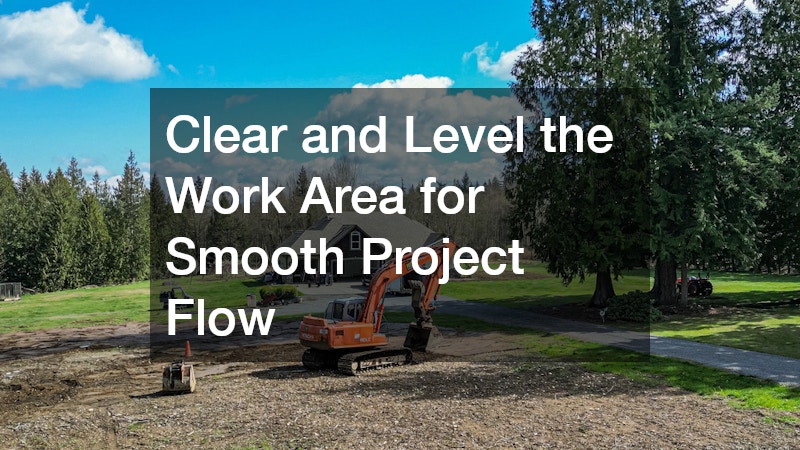
No major outdoor project can move forward without a clean, level, and accessible workspace. Proper site preparation ensures contractors can work efficiently and safely, and it prevents machinery from damaging surrounding areas. Clearing brush, debris, and uneven ground is a foundational step in preparing your property to handle the demands of construction.
A land clearing service can remove unwanted vegetation, stumps, rocks, and leftover materials that may interfere with new grading or structural work. Professional clearing also helps with drainage planning, erosion prevention, and safe equipment maneuvering. Without this step, excavation delays, water pooling, and uneven foundations may occur.
When working with clearing professionals, homeowners benefit from requesting:
-
An outline of what will be removed and what will remain
-
Discussion of erosion risks after clearing
-
Recommendations for grading or soil stabilization
-
Plans for debris removal and haul-away
Preparing your property through proper clearing also makes it easier for engineers, surveyors, or installers to take accurate measurements. The cleaner the space, the smoother each subsequent step.
4. Evaluate the Impact of Project Work on Your Home’s Structure
Outdoor projects often involve heavy machinery, falling debris, and increased foot traffic, all of which can affect your home’s exterior structures. Before work begins, it’s crucial to inspect vulnerable areas—especially the roof, gutters, and overhangs—to prevent accidental damage. This is another moment where preparing your property pays off, as even minor issues can escalate during construction.
Roofing may be particularly exposed if trees are being trimmed, heavy equipment is being used near the home, or materials are transported overhead. Loose shingles or worn flashing could allow debris, water, or dust to enter the home during project activity.
Homeowners should consider:
-
Photographing the roof before work as documentation
-
Informing contractors of fragile areas
-
Using temporary protective barriers
-
Scheduling a pre-project inspection to identify weak points
5. Coordinate With Professionals to Design an Efficient Outdoor Layout

The layout of your outdoor project influences drainage, usability, maintenance needs, and long-term functionality. Planning the arrangement of hardscapes, garden beds, pathways, and gathering areas helps avoid design conflicts, unnecessary rework, and project delays. This stage is ideal for preparing your property for both present and future improvements.
Landscaping contractors can help map out soil conditions, slope concerns, water flow, and space utilization. With their guidance, homeowners can create a cohesive outdoor plan that matches aesthetic goals and functional needs. This coordinated approach ensures every element works together and prevents the wasteful cycle of installing and tearing out features during construction.
Important design conversations may include:
-
How various features will interact with drainage patterns
-
Space allowances for equipment access
-
Which areas need reinforcement for structures or heavy use
-
Long-term plant growth expectations
-
Seasonal maintenance considerations
By preparing your property with a comprehensive layout plan, you make room for both efficiency and creativity, ensuring the finished result feels intentional and long-lasting.
6. Map Out Water Lines and Sprinkler Zones Before Digging
One of the most common ways outdoor projects get derailed is by accidental damage to sprinkler lines or underground pipes. Digging without a map can lead to broken valves, uncontrolled water leaks, and costly repairs—not to mention delays in the construction timeline. Taking the time to identify irrigation components is a crucial part of preparing your property for excavation.
Local lawn irrigation systems typically include sprinkler heads, buried piping, drip lines, control wiring, and valve boxes. These should all be marked clearly before any digging begins. Many homeowners are surprised to learn that their irrigation layout differs from what they remember, especially in older systems.
To avoid costly mistakes, homeowners should:
-
Run the system to identify the location of each head
-
Mark all lines with paint or flags
-
Shut off and drain water lines before excavation
-
Request a system inspection for older or unreliable setups
Preparing your property in this way prevents water damage, reduces repair costs, and supports a smoother flow for the overall project. It also gives contractors the confidence to move forward without hesitation, knowing the site has been fully assessed and secured.
7. Secure the Right Machinery and Supplies Before Starting
Every outdoor project requires the right equipment to ensure safety and efficiency. Whether the project involves hauling soil, grading land, trenching, or transporting building materials, having the correct tools ready at the start is essential for preparing your property effectively.
Local equipment rental providers offer machinery ranging from compact loaders to excavators, trenchers, and hauling equipment. Homeowners should determine what they need based on the size and scope of the project, as well as whether they plan to operate the machinery themselves or hire professionals.
When planning equipment needs, it helps to:
-
Reserve rentals in advance during busy seasons
-
Confirm delivery times and fuel requirements
-
Request safety instructions or operator training
-
Confirm weight limits for soil, stone, and structural materials
-
Prepare access paths for machinery
Preparing your property with proper equipment ensures the project stays on schedule and reduces the risk of unsafe work conditions or improvised tools.
8. Prepare for Material Transport With Proper Hauling Solutions
Outdoor projects usually require moving large quantities of materials such as gravel, lumber, concrete, topsoil, or debris. Without adequate transport solutions, progress slows and labor costs increase. Another important step in preparing your property is ensuring you have the right hauling setup for efficient material movement.
Utility trailers provide a reliable method for transporting bulk materials, equipment, or waste to and from the job site. Choosing the right size and weight capacity ensures safe hauling and prevents multiple unnecessary trips. Even when contractors handle transport, many homeowners use trailers to move leftover materials or help with cleanup efforts.
Considerations when planning hauling needs include:
-
Trailer size and weight rating
-
Hitch compatibility
-
Loading and unloading methods
-
Proper securing of materials
-
Safety and brake requirements if hauling large loads
Preparing your property with hauling solutions in mind helps maintain a clean and organized work environment while supporting smooth project flow.
9. Inspect Your Home for Preexisting Wear Before Construction Begins
Large outdoor projects often reveal existing issues that homeowners may not notice day-to-day. Construction vibrations, debris movement, and shifts in the landscape can amplify preexisting wear on the home. This makes it important to inspect exterior structures as part of preparing your property for intensive work.
A common area requiring attention is roofing replacement, especially if the roof is aging or already showing signs of wear. Loose shingles, degraded flashing, or minor leaks may worsen during construction activity. Identifying these issues before starting allows homeowners to take preventive measures rather than reacting to damage.
Homeowners can benefit from a brief structural inspection that includes:
-
Checking gutters and downspouts for secure attachment
-
Inspecting siding for cracks or loose panels
-
Evaluating window seals and door frames
-
Reviewing the condition of exterior paint or coatings
Preparing your property with this level of awareness eliminates surprises and ensures the home remains structurally sound throughout the project.
10. Hire Specialized Professionals for Safe and Efficient Structural Adjustments
Some outdoor projects require modifications to the home’s structure, such as connecting new additions, building outdoor rooms, or adjusting rooflines. These situations demand professional expertise to ensure safety, proper waterproofing, and structural integrity. As you plan these changes, preparing your property for specialized work becomes especially important.
A roofer can consult on modifications involving roof tie-ins, ventilation adjustments, or protective coverings during construction. Working with a specialist prevents water intrusion, sagging, and long-term deterioration. These professionals coordinate with other contractors to minimize overlap and reduce delays.
Homeowners should consider hiring a specialist when:
-
Adding attached structures such as porches or covered patios
-
Extending rooflines or altering pitch
-
Creating new openings or skylights
-
Ensuring ventilation remains properly balanced
Preparing your property with expert support protects the home’s most vulnerable areas and contributes to a durable final result. This added guidance ensures every structural adjustment is completed safely and with long-term performance in mind.
Preparing your property for a major outdoor project sets the foundation for safer, faster, and more predictable results, allowing every phase of the work to unfold with fewer delays and far fewer costly surprises. By evaluating trees, clearing land, mapping irrigation systems, coordinating with experienced professionals, and thoroughly inspecting your home, you reduce risks while significantly improving overall project efficiency. These proactive steps help homeowners approach outdoor upgrades with clarity, confidence, and an understanding of the bigger picture behind successful planning. They also strengthen the long-term value, beauty, and usability of the property by preventing issues that often arise when groundwork is rushed or overlooked. With thoughtful planning, open communication, and the right team in place, preparing your property becomes the key to completing outdoor projects that not only look impressive but also perform well, withstand seasonal changes, and enhance daily living for years to come.